

Setting the comparison stage
Choosing the right seat can change a shift. In Toronto distribution centres and similar heavy-use sites, operators notice the difference between a standard seat and a tailored solution within days. This article compares common seat types, focusing on real operational outcomes and measurable comfort gains while referencing trusted sources like the U.S. Bureau of Labor Statistics on workplace musculoskeletal risks. For concrete examples, consider a high-quality construction machinery seat and other equipment seats that show how suspension system, lumbar support and vibration damping affect fatigue and task accuracy.

Head-to-head: foam base vs. air-suspension seats
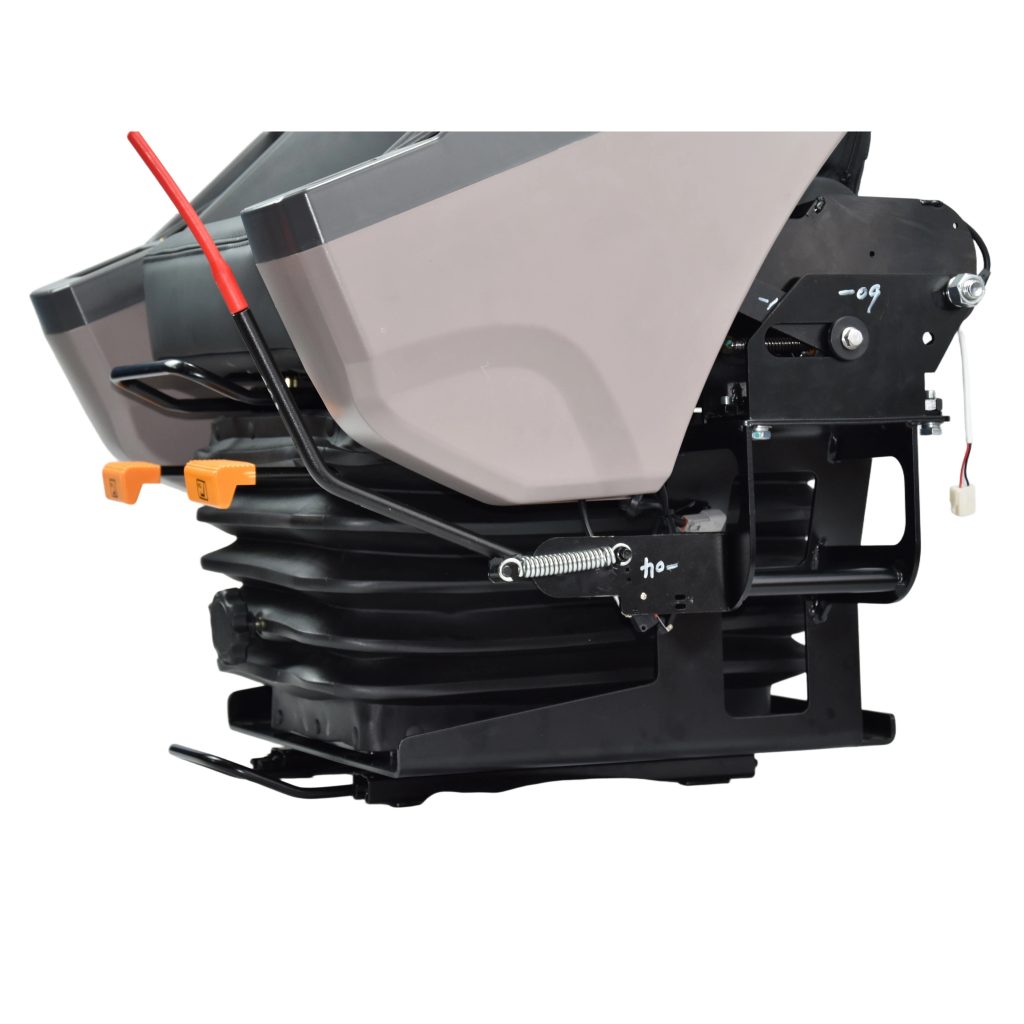
Foam-base seats remain common because they’re affordable and simple. They deliver basic cushioning but can lose contour support over time. Air-suspension seats use pressurised bladders and an isolation mount to reduce whole-body vibration; they typically reduce operator discomfort on long shifts. Key differences to note: foam seats age faster, while air systems require maintenance of valves and compressors. For operators who spend hours reversing and lifting, improved lumbar support and a well-tuned suspension system produce clearer benefits in reduced soreness and steadier control inputs.
Which features deliver the most value?
Not every premium feature yields measurable returns. Prioritise adjustability first: a seat with fore-aft travel, tilt, and height range reduces awkward posture. Next, choose a seat base that distributes load evenly and offers replaceable covers for hygiene. Vibration damping matters most on gravel, docks, or older concrete floors; a good isolation mount reduces transmitted jolt. Heating and cosmetics are lower priority for performance, though they improve perceived comfort and morale.
Common selection mistakes — and practical alternatives
Purchasers often fixate on price or brand name without testing on-site — that’s costly. Another mistake is assuming a seat fits every operator; one size rarely does. Retrofit compatibility is overlooked, leading to misaligned seat rails or inadequate mounting hardware. Instead, field-test two models with your average operator for a full shift to compare posture and control feel. When budgets are tight, consider intermediate steps: replace worn foam cushions with high-density inserts, or add a lumbar pillow matched to the seat’s contour. These interim fixes improve ergonomics while you plan for a higher-spec replacement.
On-site evaluation: what to measure and how
Bring these checks into your acceptance criteria: seat adjustment range (mm of travel), measured vibration attenuation (unweighted) and operator reach to controls. Use a short checklist during trials — track perceived discomfort at start, midpoint and end of shift, and note any interference with visibility or console access. Training matters too: simple instructions on adjusting lumbar support and suspension preload often unlock performance gains without hardware changes. – A quick calibration session can make a cheaper seat feel markedly better and lengthen its useful life.
Final checklist: three metrics that actually matter
1) Adjustment coverage: confirm height, fore-aft and tilt ranges match 95% of your operator population. Aim for at least 120 mm fore-aft travel and 80 mm height range where possible.
2) Vibration reduction: prefer seats with documented vibration damping or an isolation mount that demonstrably reduces transmitted shock on common surfaces; lower accelerations correlate with less fatigue over long shifts.
3) Serviceability score: rate the seat for replaceable covers, accessible suspension components and available spare parts. A seat that’s easy to maintain stays comfortable longer and lowers total cost of ownership.
These three metrics guide decisions that produce measurable benefits for operators and fleet uptime. For practical supply and proven options, Source One connects suitable equipment seats and installation expertise — a partnership that turns those metrics into day-to-day comfort and performance. —