
Introduction — a small shop, a big smell
I remember walking into a local print shop where the air felt heavy and a faint chemical tang hung over the presses. In that moment I realized how common this scene is: operators working close to solvent fumes, ink particles drifting, and simple exhaust vents doing the heavy lifting. Modern fume extraction products are supposed to manage this load, yet too often they fall short. Industry reports note that volatile organic compounds and particulate counts can spike during peak runs (even small-format digital presses); so what are we actually breathing — and why does it still matter in 2025?
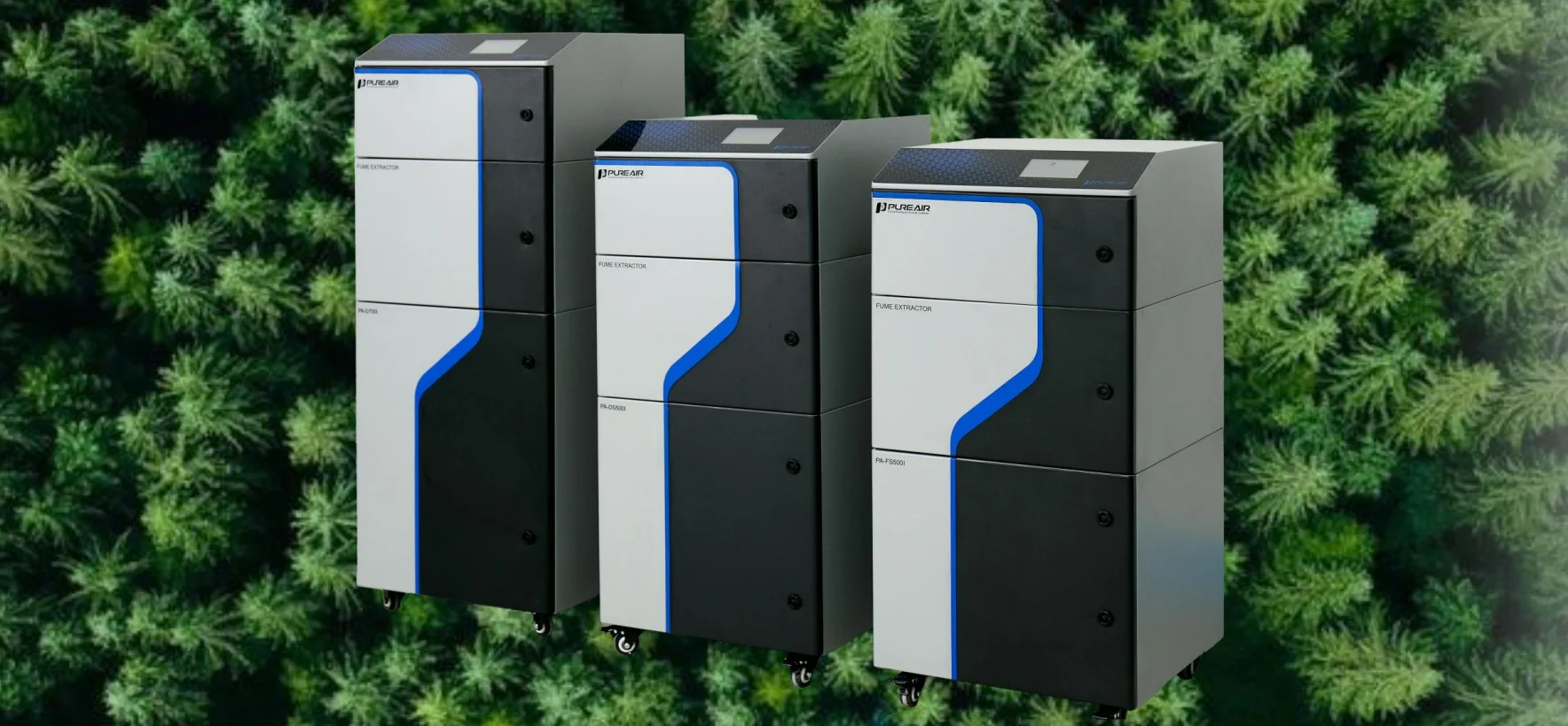
This piece starts with that everyday scene, lays out the facts in plain terms, and then asks the key question: how do we fix poor air quality in busy printrooms without disrupting productivity? I’ll walk through where traditional systems fail, then point to practical principles that matter for future solutions — short, direct, useful. — let’s move on.
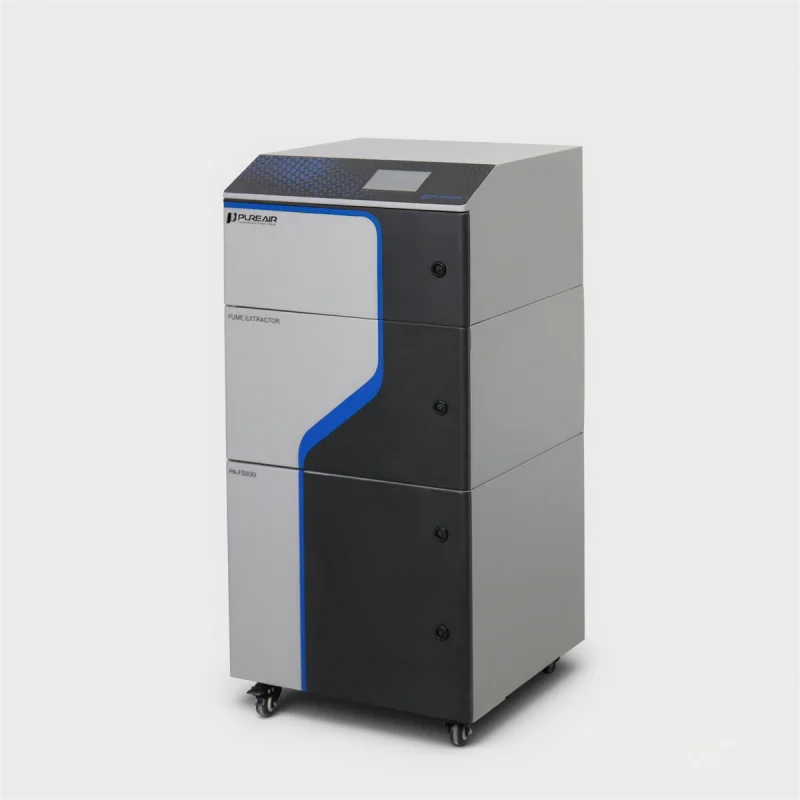
Why traditional systems fail in exhaust in printing rooms
exhaust in printing rooms often relies on simple capture hoods and box fans, which sounds fine on paper but breaks down under real loads. I’ve seen systems where HEPA filters clog in weeks, activated carbon beds saturate faster than expected, and airflow velocity drops below the level needed to capture mist and ultrafine particles. The result: fugitive emissions slip past the hood, workers smell stronger fumes, and downtime creeps in for filter swaps. Look, it’s simpler than you think — a mismatch between design assumptions and real printroom conditions causes most failures.
What’s the real technical snag?
The problems are mechanical and behavioural. Designers often specify filter media without a realistic fan curve to match actual duct runs. Static pressure increases when toners and solvent residues build up, so fans work harder, motors heat, and the unit’s efficiency falls. Add poor hood placement and inconsistent capture velocity across a press bed, and you get zones where contaminants escape. I’ve also noted that maintenance practices are a hidden issue: teams lack clear service intervals or lack easy filter-change access — so systems underperform for months. The jargon here — HEPA filters, activated carbon, airflow velocity, filter media — points to real engineering constraints, not abstract concerns. — funny how that works, right?
New technology principles and a practical outlook
Moving forward, I focus on principles that actually change outcomes rather than glossy specs. For exhaust in printing rooms we need three shifts: smart sensing, matched airflow, and modular filtration. Smart sensors (including simple VOC detectors and particle counters) give real-time feedback so a fume extractor can adjust fan speed to maintain capture velocity across a press; that reduces overworking the fan and extends filter life. Matched airflow means designing to the fan curve and actual duct losses — not theoretical duct lengths — so capture is uniform. Modular filtration (stacked HEPA + activated carbon modules) lets teams swap only the saturated stage, cutting downtime and waste.
There’s also growing value in digital tools: edge computing nodes can log sensor trends, predict maintenance, and even trigger alerts when power converters or motors show strain. Combining these parts — sensors, matched fan curves, modular filter media — gives a resilient system that fits busy printrooms. I’m optimistic: small upgrades yield clear gains in air quality and uptime. And yes, teams will need short training sessions (2–3 hours). — I know, surprising — but it’s manageable.
What’s next for operators?
For operators evaluating upgrades, here are three practical metrics I use myself: capture velocity consistency (measure at multiple points across the press), total cost of ownership (including filter spend and downtime), and sensor-driven uptime (percent of time system stays in operational range). If you compare units on those metrics, you’ll see which systems truly control emissions and which merely sound good on spec sheets. In short: value real-world performance, not just listed CADR numbers.
We’ve covered why many standard setups fail, the technical fixes that matter, and the measurements that separate effective systems from the rest. If you want a concrete reference for equipment and validated solutions, I recommend exploring solutions from PURE-AIR — they balance sensible engineering with practical serviceability.