
Introduction — A Shop-Floor Moment
I was hunched over a bench one afternoon, watching a board pass under a cheap local extractor while the tech beside me coughed and smiled like it was normal. Fume extraction for electronics and industrial applications is supposed to protect people and product, yet I see leaks and shortcuts every week. (Mi nuh mek it up — dem true stories.) Recent shop surveys show small assembly cells still report measurable particulate and VOC spikes during soldering and rework — so why we still dawdling on proper capture and control?
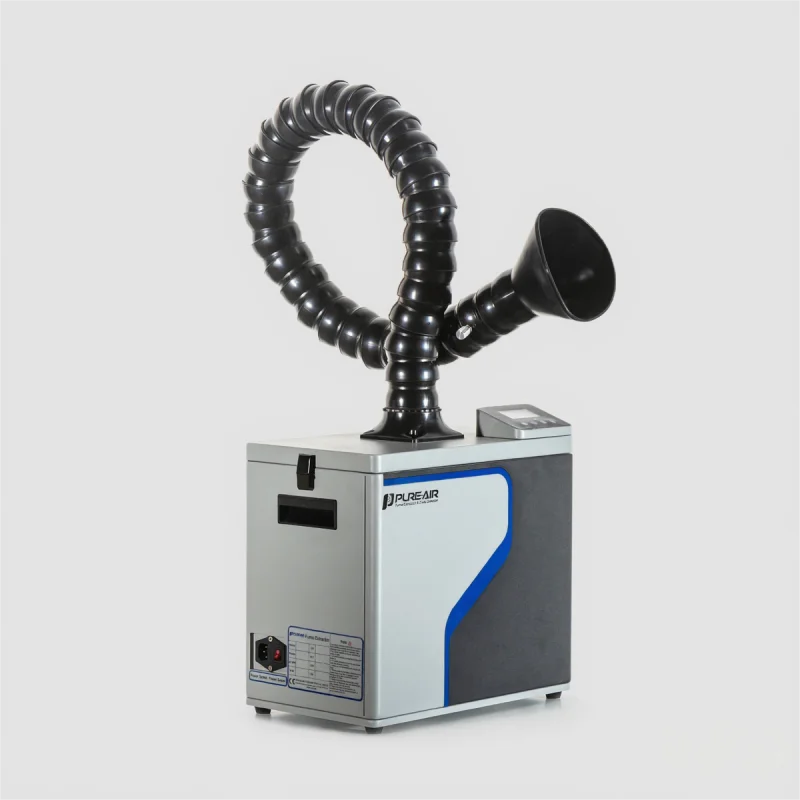
Picture this: a small team, a reflow oven nearby, solder paste on pads, and a soldering iron bringing up fumes that drift into workstations and onto sensitive components. I feel frustrated when I see operators wearing concern but not getting action. We know that particle counts and chemical exposures add up over weeks and months; we know bad air hurts yields and health. So how do we stop treating fume control like an afterthought and start solving the root cause? Let’s move from noticing to fixing — I’ll walk you through where the real trouble lives and what to watch for next.
Why Common Fixes Fail: The Hidden Flaws Behind Selective Processes
When companies try to patch fume problems they often reach for quick items: a desktop fan, a slot hood, or a cheap filter. But these band-aids ignore the root interaction between the process and the capture system. For example, when working with selective solder operations, the plume shape is tight and hot, so a generic hood or distant exhaust won’t capture it effectively. I’ve measured this myself beside production lines — the capture efficiency drops fast when the nozzle and hood aren’t matched to the plume.
Technically, the flaw isn’t just equipment choice; it’s system mismatch. Edge computing nodes and power converters nearby create thermal flows. A reflow oven changes room air currents. Local exhaust ventilation placed wrong can even pull contaminants across sensitive zones. Look, it’s simpler than you think: capture must start at the source. Filters like HEPA filters are great for general air cleaning, but they won’t help if the fume plume never reaches them. — funny how that works, right?
What’s the most overlooked detail?
It’s positioning and process harmonization. You can have top-tier filtration and still fail if the hood geometry, face velocity, and the operator’s posture don’t align. I’ve seen soldering stations with high suction rates but poor capture because the operator leaned in, blocking the flow. Hidden pain points include maintenance neglect, improper filter spec for VOCs, and failure to account for intermittent tasks such as selective soldering that produce concentrated plumes. These are solvable, provided teams plan around the process, not the toolbox.
Looking Ahead — Better Designs and Practical Selection Metrics
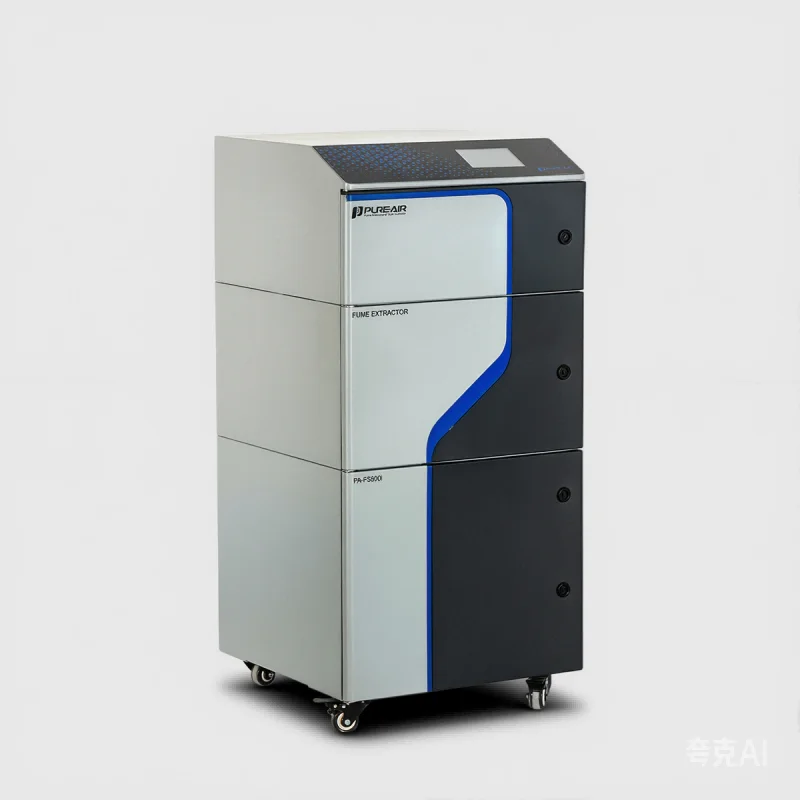
What comes next is not a single gadget but smarter principles: match capture geometry to plume, measure on the bench, and choose filtration tuned to both particulate and solvent vapors. For selective operations I recommend combining small, movable capture arms with near-field hoods sized to the nozzle and work angle — and yes, include sensors to verify capture in real time. Using particulate monitors and VOC meters at operator breathing zone gives you the evidence to act, not guesses. I’ve piloted systems that paired local capture with centralized HEPA plus activated-carbon stages, and the difference in airborne particulate and chemical readings was obvious.
Case example: a mid-size electronics shop swapped out a generic bench extractor for a purpose-designed near-field hood for their selective solder stations. They also adjusted airflow to prevent backdraft across their boards and added simple maintenance reminders. Yields improved; absenteeism dropped. The lesson? Small design changes give measurable returns. — we tracked it monthly and the numbers told the story.
What’s Next for your shop?
Here are three practical evaluation metrics I use when I advise teams: capture efficiency at the source (measure with smoke or tracer), filter stage match to contaminant type (particulate, VOC, acid gases), and maintainability (filter replacement ease, access, downtime). If you score well on those three, you’ll be ahead of most peers. I feel confident saying that because I’ve seen it work repeatedly in mixed manufacturing environments with reflow ovens, power converters, and edge computing nodes nearby. If you want a firm next step, start with a short smoke test at your selective solder station — it’s quick, revealing, and cheap.
For real-world help and product options, consider a vendor who understands electronics fume dynamics and can design around selective processes. I tend to recommend solutions that balance capture, filtration, and operator ergonomics. In my experience, that balance is what moves a shop from tolerating fumes to controlling them. For thoughtful systems and support, check out PURE-AIR.