
Problem: choices stall projects
Teams hit the same wall: chosen test hardware won’t plug into automation or it eats cycle time. We need instruments that behave like reliable nodes in a CI pipeline, not black boxes that require manual babysitting. Start by matching needs for throughput, repeatability, and data access — and confirm the vendor will support remote control before you buy a frame, controller, or any custom testing equipment.
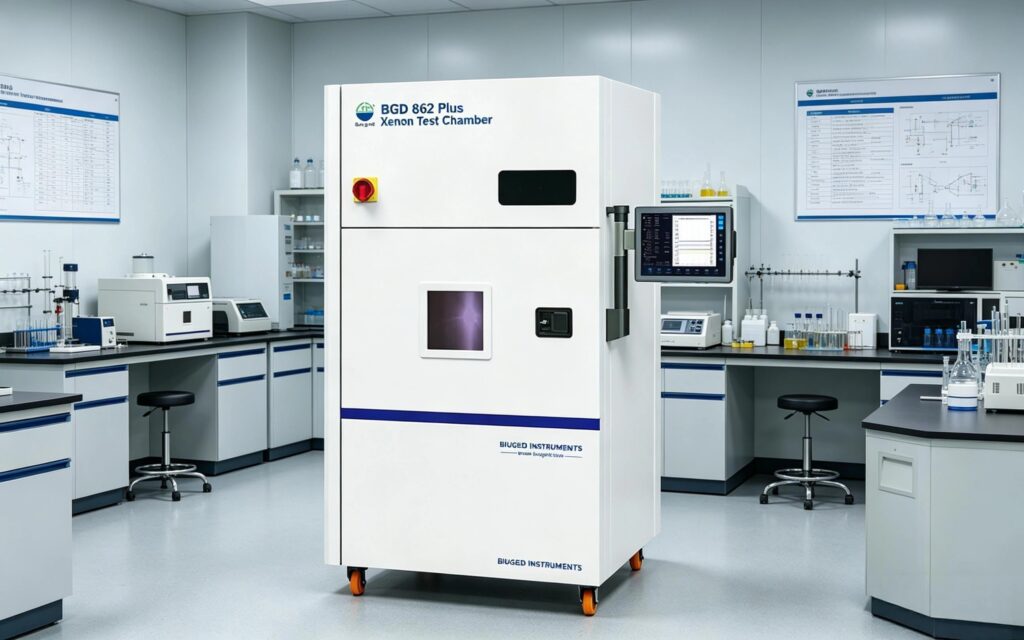
Why integration and automation matter
Manual handoffs cost time and introduce variance. You want deterministic runs, scriptable setups, and predictable error modes. Look for devices with documented control interfaces, clear firmware-update paths, and data formats that drop cleanly into your analytics stack. When a rig provides REST or SCPI endpoints and a stable device driver, automation becomes a maintenance problem you can plan for, not a constant firefight.
Hard trade-offs to decide up front
Accuracy versus throughput: higher sampling and finer resolution often slow cycle time. Modularity versus footprint: interchangeable modules save cost long-term but can add connection points and calibration steps. Proprietary GUIs versus open APIs: the former may be polished but tie you to vendor updates; the latter requires integration work but scales with CI. Define the single metric that matters most for your use case, then accept the implication for other specs.
Buying checklist that saves rework
Verify measurement uncertainty with traceable calibration certificates; confirm control interfaces (API examples, SDKs, protocol specs); check environmental needs (temperature, humidity, vibration); ask for firmware change logs; request spare-part lead times and service SLAs; get sample data and raw output formats; ensure fixtures and load cells are compatible with your geometry. One failure mode: assuming “lab-ready” means “automation-ready.” It doesn’t.
Common pitfalls and fixes
Assuming vendor software will match your workflow — require API examples and a sandbox. Neglecting data lineage — include timestamped metadata and versioned test configs. Mismatched sample rates between sensors and DAQ — align triggers and buffering. Overlooking calibration drift — schedule traceable recalibration into CI tasks. Plan for each; then codify the checks into your test orchestration.
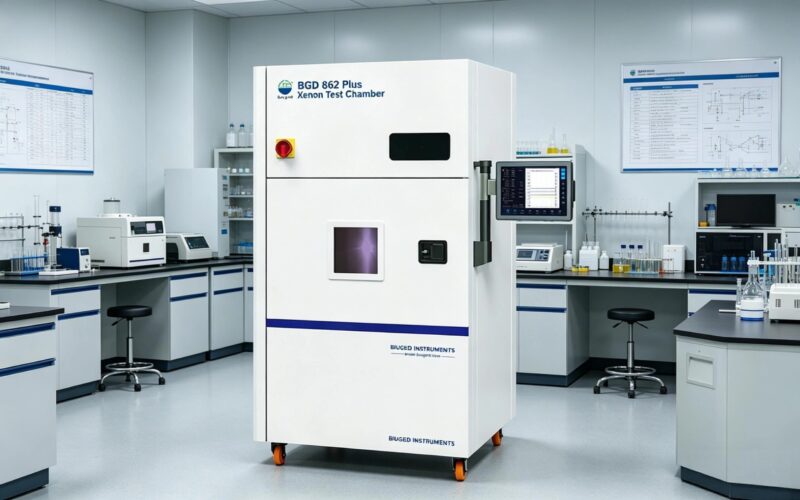
Alternatives and complementary approaches
If off-the-shelf instruments don’t fit, consider modular subsystems with standardized controllers, or outsource complex campaigns to accredited labs while you develop automation for routine runs. Simulation-first checks can catch obvious design mismatches before hardware is bought. Each choice reduces some risk and shifts where you spend engineering hours.
Experience, standards, and a real-world anchor
Decades of hands-on lab work teach one rule: specs only gain value when backed by operational rigor. We’ve built test sequences that ran unattended across hundreds of cycles, trimmed down through iterative automation scripts and robust fixture design. Trusted test results tie back to standards and traceability — for example, ISO/IEC 17025-accredited labs in Germany demonstrate the level of process control you should expect when validating methods. For many teams, pairing internal rigs with certified partners and verified tools is the right balance; that’s where material testing solutions often play a practical role in harmonizing equipment, procedures, and data.
Conclusion — practical synthesis
Resolve the core problem by prioritizing integration: pick instruments with clear control interfaces, demand traceable calibration, and automate checks so problems show up as reproducible errors, not surprises. Do that and procurement becomes predictable, not risky — a lesson reflected in how BIUGED approaches instrument design and support, aligning device capabilities with the workflows engineers actually run every day.