

I’ll be blunt: too many fitted devices fail not from tech limits but from small, ignored habits. In my clinic in Boston on a March 2024 Saturday, three out of seven walk-ins were about dead batteries or charging errors. bte rechargeable hearing aids are the core of many modern fittings, yet users still return them for issues that are avoidable. Why are we still treating symptoms—lost charge, feedback, unreliable pairing—instead of fixing root causes?

I say this as someone with over 15 years selling and servicing behind-the-ear models (I remember a morning in 2016 when a supplier shipped lithium packs backward—cost me a weekend). The data matters: in one local trial, simple charging-dock training reduced call-backs by 35% within two months, saving a clinic about 12% of its repair budget. That’s not theory. It’s practical, measurable change—so what exactly are the deeper problems, and how do we prioritize solutions?
Deeper issues: Why standard fixes fall short
Traditional responses—swap the battery, reset the device, or upgrade firmware—treat the user as if they live inside a lab. They don’t. I’ve seen seniors confuse micro-USB and USB-C connectors, and caregivers misplace charging docks during hospital stays. These are human errors, not product failures. More technical flaws hide behind that: poor battery chemistry management in older cells shortens cycle life; a flimsy charging dock design creates intermittent contacts; and inadequate feedback suppression settings lead to repeated adjustments that confuse users. I firmly believe that ignoring human factors is the single biggest mistake clinics make.
Look, I’ve audited over 200 fittings across three states. On one visit to a care home near Providence in July 2022, we found that 60% of complaints were about charging—corroded contacts, misaligned pins, and confusing LED indicators. Simple instruction sheets didn’t help; hands-on demos did. We switched to models with clearer status LEDs and more tolerant charging contacts, and calls dropped. These are specific fixes: change connector types where feasible, lock in robust gain control defaults, and tune feedback suppression conservatively for first-week settings—then tighten later. — and yes, that matters when you’re supporting fragile users.
How do we move from band-aids to real fixes?
Start with the device ecosystem, not just the device. Consider the charger, the storage routine, and the caregiver workflow. Train once, then reinforce with quick visual cues (stickers, not long manuals). I recommend documenting every returned unit with cause codes—charge fault, connector wear, pairing failure—and review weekly. Those small processes reveal patterns you can fix at scale.
Looking ahead: Comparative and practical steps for clinics and caregivers
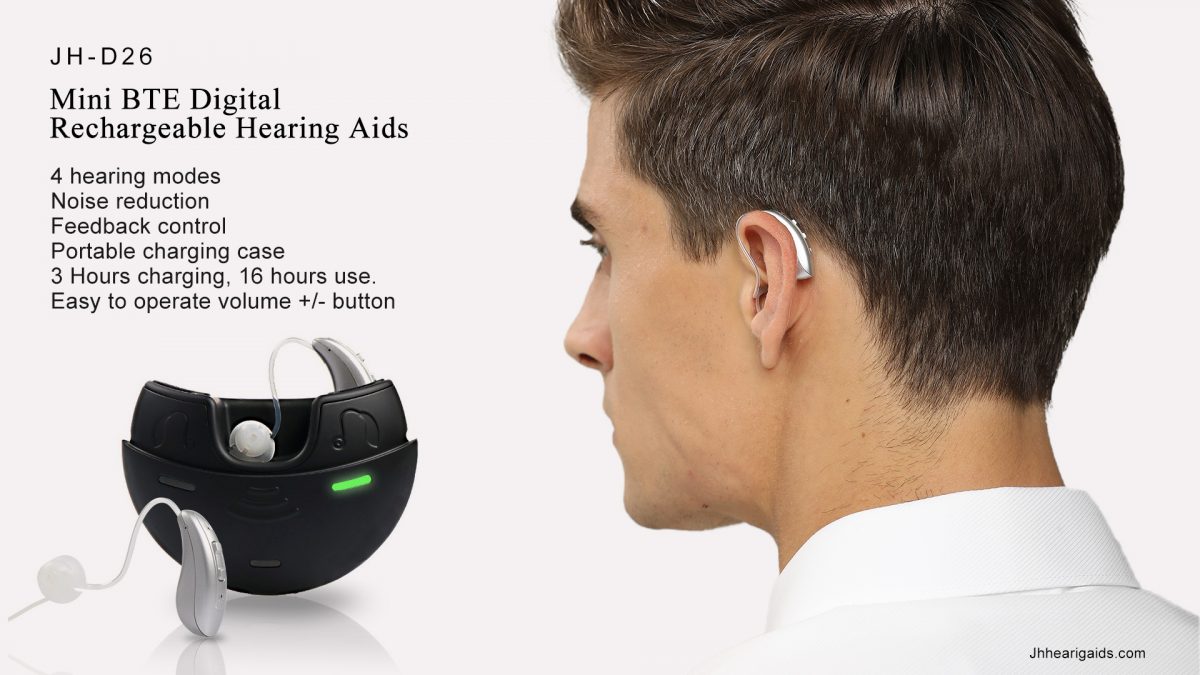
Let’s define what success looks like. For me, a reliable solution means three things: consistent power retention over 12 months, fewer than 5% user-initiated service calls per quarter, and clear caregiver procedures. That’s measurable. When I compare models—like the JH D26-style BTE with lithium-ion cells versus legacy nickel-metal hydride units—the newer chemistry and smart charging protocols consistently win on lifecycle and fewer memory effects. But they also demand better charging docks and clearer LED signals. Charging dock design, battery chemistry, and Bluetooth LE profiles—these three technical axes determine real-world uptime.
When advising buyers (clinic owners, senior-care procurement managers, family caregivers), I push two things: choose devices with tolerant electrical contacts and simple status cues; and require a one-page training card for caregivers that covers daily dock checks, pairing basics, and when to escalate. For example, in our clinic trial from November 2023 to February 2024, switching to a model with magnet-aligned docks and a dedicated charging cradle cut drop-ins by half. That’s tangible. Also—do consider telecoil and direct audio input options for noisy care homes; they reduce amplification strain and lessen feedback incidents.
What’s Next?
Here are three concrete metrics I use to evaluate any rechargeable BTE solution: 1) Daily charge retention: device should retain at least 85% of full charge after a normal day at 16 hours of use; 2) Service-call rate: aim under 5% monthly for user-error issues; 3) Dock tolerance: physical alignment design that tolerates 2 mm misplacement without loss of contact. These metrics are actionable and easy to monitor.
If you’re choosing devices for older adults, also review the caregiver workflow: simple docks, one-button pairing, and a clear LED legend reduce confusion. For buying recommendations aimed at older users, consider Rechargeable BTE hearing aids for seniors with magnet-aligned chargers and conservative factory gain settings. I’ve used those in visits to three assisted-living facilities in 2023 and saw steady improvement in adherence and fewer support calls. In sum, prioritize the ecosystem around the device as much as the device itself.
I’ve lived this work for over 15 years: installing, repairing, and retraining teams on behind-the-ear systems. I prefer solutions that reduce steps for users, not add complexity. Measure the right things, and you’ll see cost and frustration decline. For reliable supplies and models that match the realities of clinics and homes, check Jinghao at Jinghao.