
Policy shifts that actually change what gets deployed
New rules from global commitments like the Paris Agreement and national moves — think New Zealand’s Emissions Reduction Plan — are nudging businesses to think beyond the old diesel box. Specifying a 50hz generator today means balancing output, emissions hardware and future-proofing; alternator and genset choices aren’t just technical any more, they’re policy decisions.
What site teams and engineers are swapping in practice
On construction sites and remote builds, the trend is clear: smaller, cleaner packages and hybrid systems are replacing brute-force diesel sets. The ubiquitous 30 kva generator remains a workhorse for many jobs, but it’s now chosen with emissions management in mind — particle filters, selective catalytic reduction or biodiesel compatibility become part of the spec. Engineers are asking for alternator models that tolerate frequent load cycling and offer easy integration with batteries and control systems.
Which waterproof alternator specs suddenly matter
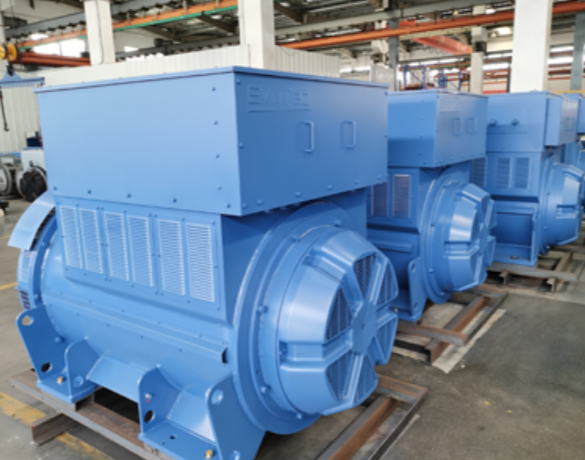
Waterproofing used to be about keeping water out; now it’s about resilience across more use-cases. IP rating clarity (exact ingress protection level), sealed bearings, corrosion-resistant coatings and cooling path design matter when you’re pairing an alternator with hybrid electronics or after-treatment devices. You’ll also want to check continuous and peak kVA curves rather than just a single figure — a mismatched load profile will force the genset into inefficient regimes, upping fuel burn and emissions.
Real-world anchors: lessons from emergency and rebuild deployments
Smaller diesel gensets were staples during the Canterbury rebuild after the 2011 earthquake, used for lighting, pumps and temporary services. That experience taught contractors to favour models with straightforward servicing and clear emissions retrofit paths — the sort of practical lessons that policy-makers are now codifying into tender criteria. Designers are prioritising modularity so equipment can accept upgrades rather than be scrapped.
Common mistakes and available alternatives
People still make the same errors: undersizing for peak loads, ignoring IP details, and buying machines that can’t accept emission control retrofits. Another common oversight is assuming a one-off cost figure covers lifetime impacts — it doesn’t. Contractors who skip a simple load-bank test or fail to log operational hours end up with higher lifetime emissions and cost. — Battery-hybrid gensets, portable solar arrays and grid-interactive systems are genuine alternatives; they reduce idling emissions and simplify compliance when paired with smart controls.
Operational impacts on procurement and maintenance
Procurement teams must now evaluate not just price and kVA but integration capability for sensors, remote monitoring and aftertreatment. Maintenance plans should include scheduled checks for emissions hardware and waterproof seals, and scope for component swaps without full replacement. A good alternator choice will cut downtime and make compliance reporting straightforward — fewer surprises at audit time.
Three golden rules for choosing the right kit
1) Metric: Total lifecycle emissions and fuel flexibility — prefer units that accept lower-carbon fuels or straightforward retrofits. 2) Metric: Integration readiness — ensure the alternator/genset supports control interfaces, remote telemetry and battery coupling. 3) Metric: Durability under site conditions — verify IP rating, corrosion protection and easy service access so the unit survives harsh Kiwi weather and hard yakka on site.
Follow those three, and you’ll pick kit that meets today’s decarbonisation mandates and stays useful next year. EvoTec