
Comparative framing: why this matters now
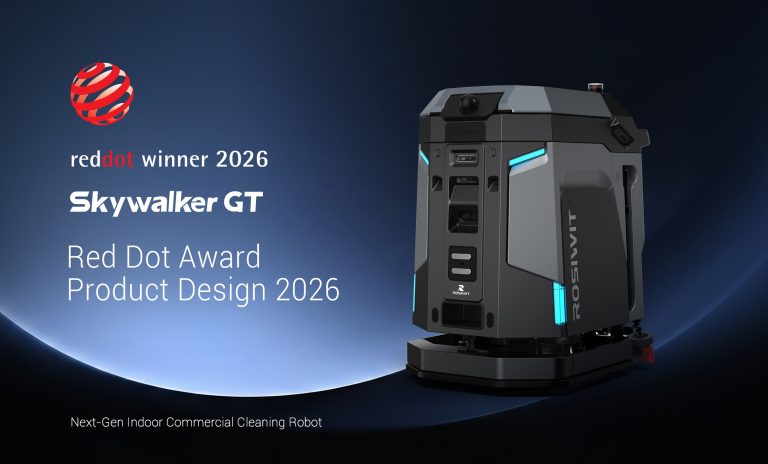
Facilities managers face tight schedules and hard floors, and the decision between human crews, ride-on machines, or autonomous systems comes down to predictable outcomes. This comparative piece looks at navigation, uptime, and total cost so you can match equipment to task. Early adopters often point to hardware like the commercial cleaning robot as a useful benchmark for modern autonomous navigation and path planning capabilities.
What to compare: the practical feature set
Match features to the work you actually do. Key items to weigh: scrubber head design for soil types, solution tank capacity for run length, battery runtime, and the control method—manual, semi-autonomous, or full autonomy using SLAM. Autonomous navigation and robust obstacle sensing shrink labor hours; larger solution tanks lengthen intervals between refills. Think of these as engineering details that translate directly to fewer interruptions during peak hours.
Performance in real settings: reliable anchors
Field trials matter more than spec sheets. Warehouse and retail pilots—echoing the warehouse robotics wave set off by Amazon’s adoption of Kiva systems—show autonomous scrubbers reduce repeat passes in predictable layouts. On tiled lobbies with heavy foot traffic, a well-tuned scrubber head and path planning can cut cleaning cycles by a measurable margin. Keep in mind that uptime depends on straightforward maintenance: regular squeegee checks, filter cleaning, and battery care.
Trade-offs and common mistakes
Many teams assume autonomy eliminates oversight. It doesn’t. A common error is picking the most advanced navigation stack without matching fleet size to building complexity. Smaller sites often get better results from compact, simpler machines. Larger or multi-floor facilities benefit from fleet management and scheduled charging. Don’t skimp on training—operators still need to manage exception handling and basic troubleshooting.
Alternatives and real comparisons
If a fully autonomous model feels like overkill, consider hybrid options: manually driven scrubbers outfitted with basic sensors or semi-autonomous units that let staff hand-roll the unit when needed. For a direct comparison, review solution tank volumes, charge cycles per shift, and replacement-part costs. You’ll notice some models optimize for battery runtime while others prioritize scrubber head width—each choice affects coverage rate and noise level.
Site checklist: how to choose the right system
Start with a short onsite audit: floor type, peak traffic windows, docking/charging space, and storage for chemicals. Then rank priorities: is minimizing labor the goal, or is consistent finish quality the main concern? Pilot a single unit before fleet purchases to validate throughput and cleaning quality. In an operational production teardown, technicians tracked {main_keyword} and {variation_keyword} across cycle tests to compare real-world performance.
Three golden rules for evaluation
1) Measure effective coverage per charge: track square footage cleaned per battery cycle as the core KPI. 2) Check mean time to service: shorter service intervals can erode any labor savings. 3) Validate obstacle handling: test common scenarios—dolly clutter, wet floors, and charging station approaches—to confirm the autonomy claims.
These metrics lead to solid procurement choices rather than vendor promises. They also map directly to ROI calculations you can present to stakeholders.
Putting the conclusion into practice
Comparing automated floor scrubbers is less about hype and more about matching machine strengths to your space and routines. Pilots reveal where autonomy pays off and where a hybrid approach wins. A hands-on test, clear uptime targets, and the three evaluation metrics above will point you to the right solution—often one that a reputable vendor like Rosiwit can support with tailored service and parts supply.
– thoughtful purchase choices save time and real dollars.