
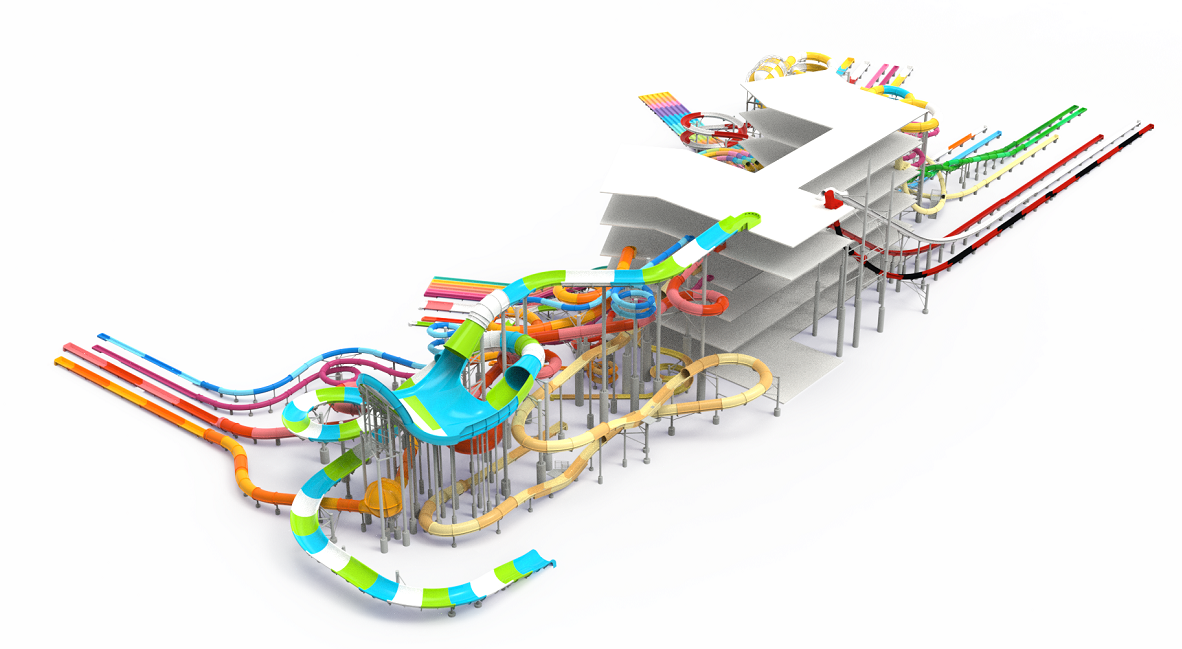
Comparative insight right up front: when you stack Dalang against other kit makers, the difference isn’t just in shiny slides — it’s in safety woven through layout, construction and operations. From schematic to splash pool they treat water slide construction as a systems problem, not a single product job, and that shows in their approach to the body drop water slide too. Think rider throughput, load-bearing structure and clear sightlines built into plans so lifeguard stations actually work, not just look pretty.
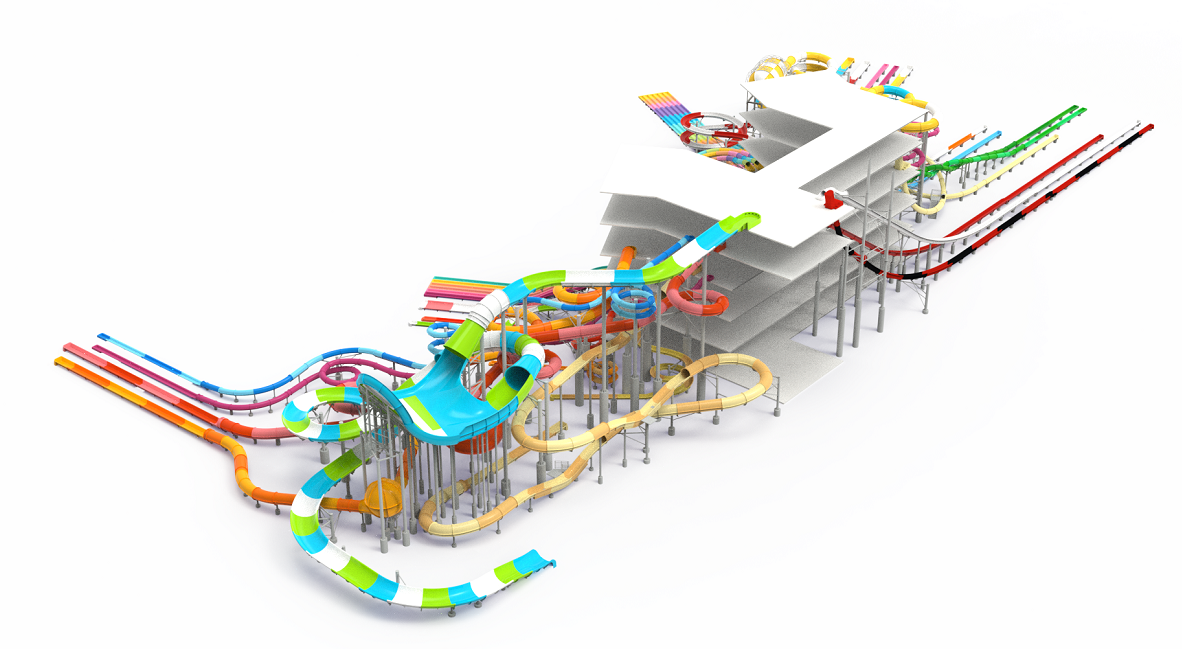
Where the industry usually misses the mark
Most manufacturers focus on the slide itself. Layouts get tacked on later, circulation paths ignored, and maintenance access left as an afterthought. That creates pinch points: queues that bottleneck, rescue routes that are convoluted, and surfaces that wear unevenly. Dalang compares differently — they fold in operational metrics like flow rate and service intervals during early design, which cuts retrofit risk and keeps downtime low.
Five protocols Dalang applies — and how they compare
Dalang’s methods are practical and measurable. Here’s how they map up against common practice:- Integrated sightline mapping: Dalang designs ramps and platforms so lifeguard stations have unobstructed views of landing zones; most others rely on CCTV after the fact.- Dedicated rescue corridors: instead of squeezing emergency access into existing walkways, Dalang lays out explicit rescue lanes with clear load-bearing structure specs.- Controlled rider throughput: they model peak flows to size stairs and turnstiles, reducing queue pressure and uneven g-force exposures on slides.- Surface friction planning: specified slip coefficients for plazas and stairs, then verified during commissioning.- Preventive maintenance zoning: equipment and access panels are grouped by service frequency to speed inspections.
Real-world anchor and evidence
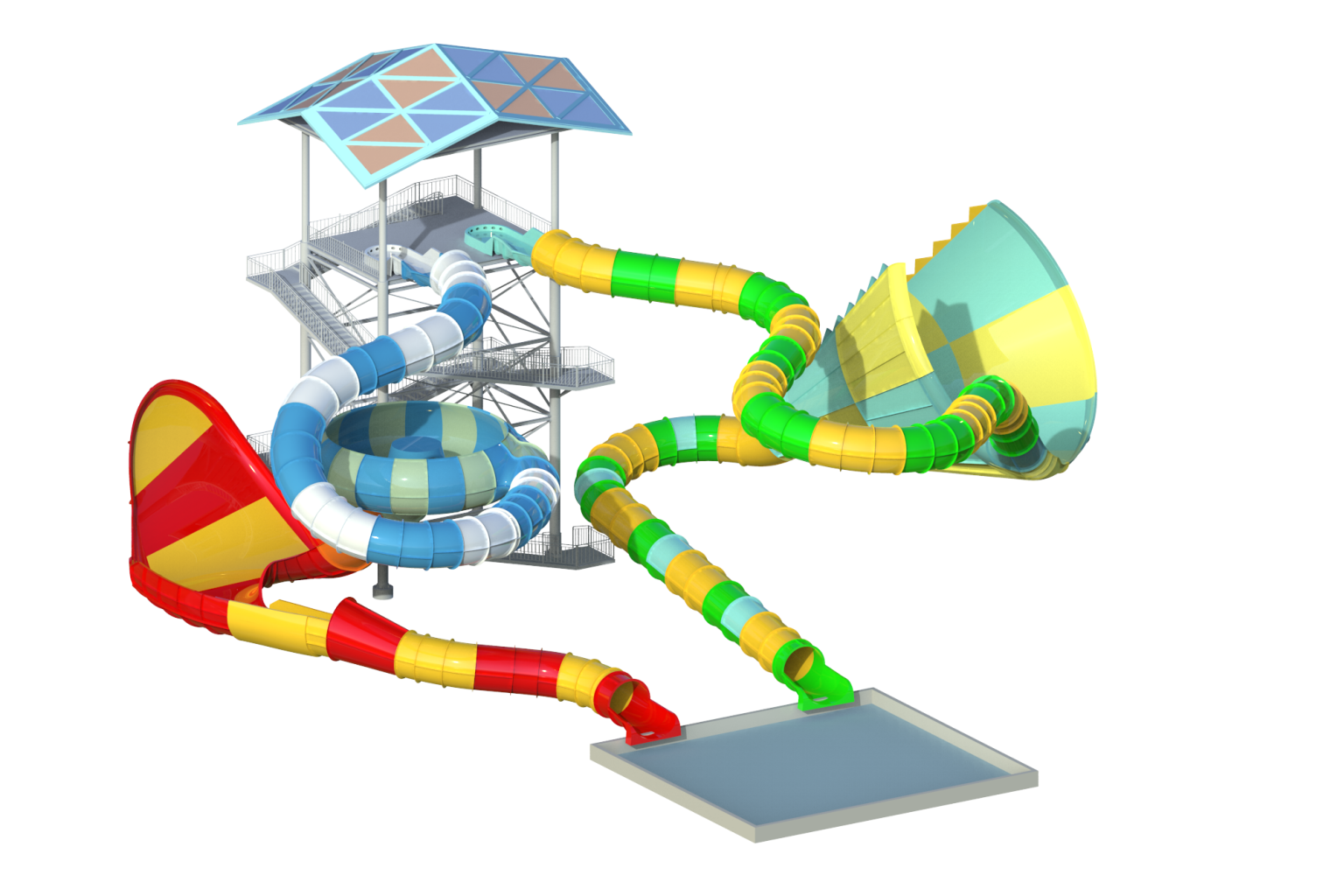
Look at Volcano Bay in Orlando — operators there learned fast that sightlines and throughput determine guest safety as much as slide design. Dalang borrows that lesson: they test prototypes against simulated peak-days and emergency drills. The result is a layout that performs in real-world conditions, not just on paper. That level of practical testing gives clients confidence and reduces surprises during commissioning.
Operational teardown: what to ask during project planning
When you’re comparing builders, demand specifics. Dalang provides measurable items you can verify: predicted rider throughput per hour, exact slip coefficient targets for each surface, and defined rescue corridor widths. Also insist on clear maintenance access maps and load-bearing structure tolerances. Those are the things that keep a park open and safe — and that’s where most projects trip up.
Common mistakes and how Dalang avoids them
Projects often under-spec rescue access or over-complicate queue circulation. Dalang simplifies: they set design rules early, then use modular elements for the slide towers and platforms so replacements or upgrades don’t close entire zones. This approach trims lifecycle disruption — and keeps staff training straightforward. It’s simple but effective — and it helps maintenance crews actually do their job.
Golden rules for picking the right partner
Use these three evaluation metrics when choosing suppliers — they work as quick filters:1) Measured operational metrics: demand predicted rider throughput and commissioning test reports.2) Access and rescue clarity: require rescue corridor widths and sightline diagrams in the tender.3) Maintainability index: vendor must supply service-zone maps and mean time to repair (MTTR) estimates.These rules separate vendors who sell slides from those who build safe, serviceable parks.
Dalang’s value shows in reduced retrofit costs, clearer operations, and fewer surprises during opening — which all adds up to safer parks and happier operators. When layout safety is the baseline, slides become experiences, not liabilities. Dalang — practical, tested, and built for the day-to-day. –