
Problem: small brands hit a hard ceiling
Hey, listen — you can have a lekker design and loyal customers, but then you hit supply pain: inconsistent quality, wild lead times, and MOQ demands that kill margins. That’s why so many startups pivot from making a few pieces to needing reliable runs of an outdoor sports waist pack and find the order game suddenly confusing. The problem’s simple: design-to-market works fine at five units, but it breaks when you need five hundred.
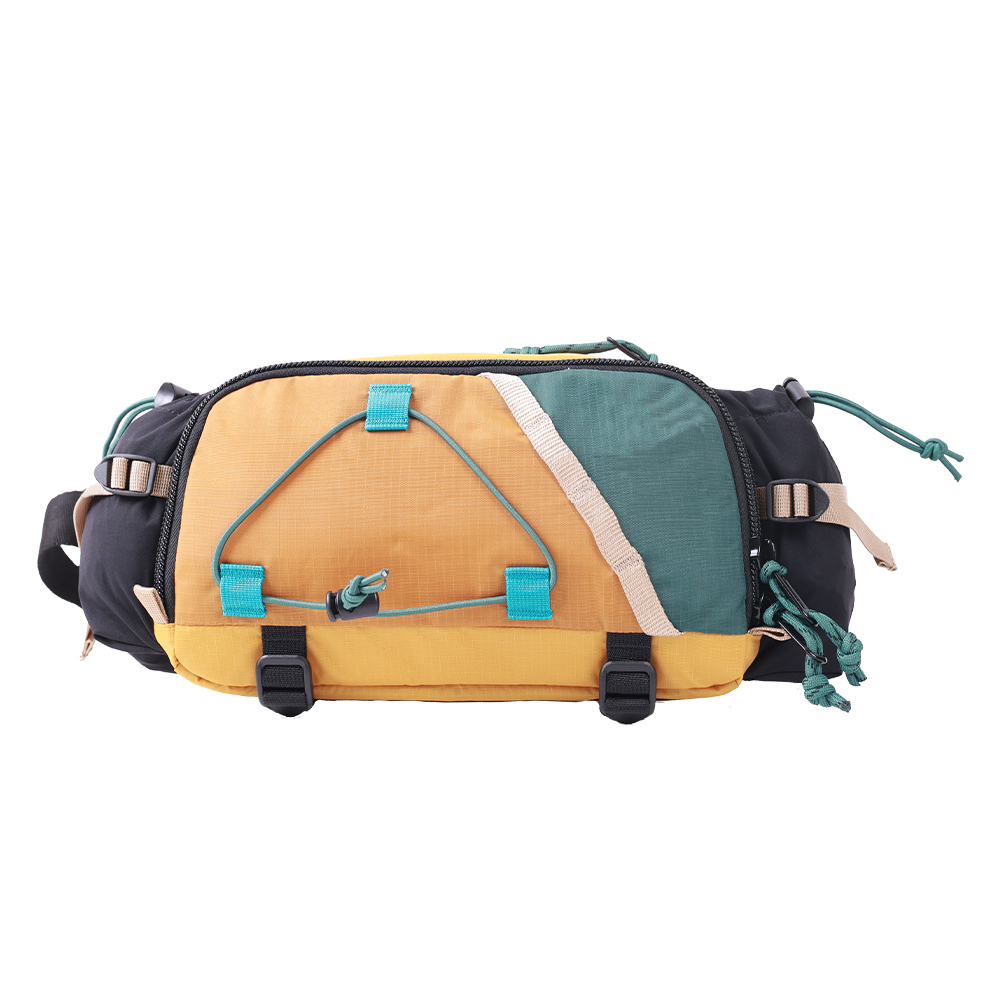
Root causes you’ll see again and again
Most failures come from three predictable issues. First, a mismatch between the tech pack and factory capabilities — what looked easy on paper is a sewing nightmare. Second, complacent quality control: samples look sweet, bulk doesn’t. Third, logistics and costs: wrong assumptions on packing, freight, tariffs. These aren’t abstract — they’re the reasons launches stall and retail windows are missed. You’ll spot them fast when prototypes drift from approved specs.
What a good private-label manufacturer actually fixes
A proper private-label partner stops those leaks. They offer realistic MOQs, in-factory prototyping, clear tech-pack feedback, material sourcing with test records, and staged QC gates so you don’t get a surprise container. I’ve worked with manufacturers who run sample loops, adjust grading, and preflight packages for freight — that experience matters. At the Outdoor Retailer trade show in Salt Lake City buyers were checking samples and asking specific production questions — a clear sign demand is real for a well-made custom waist pack. These real-world checks back the technical claims; buyers at big shows expect proof you can scale without sacrificing the pocket depth, seam strength or hardware quality that made the product sell in the first place.
Common mistakes to avoid when you scale
Don’t sign a bulk PO without an approved pre-production sample. Don’t skip lab tests for water resistance or strap tensile strength because they “look fine.” Don’t assume packaging is trivial — bad packing adds damage and returns. Don’t forget clear labeling for country of origin and compliance. These are simple errors but they break launches faster than design flaws.
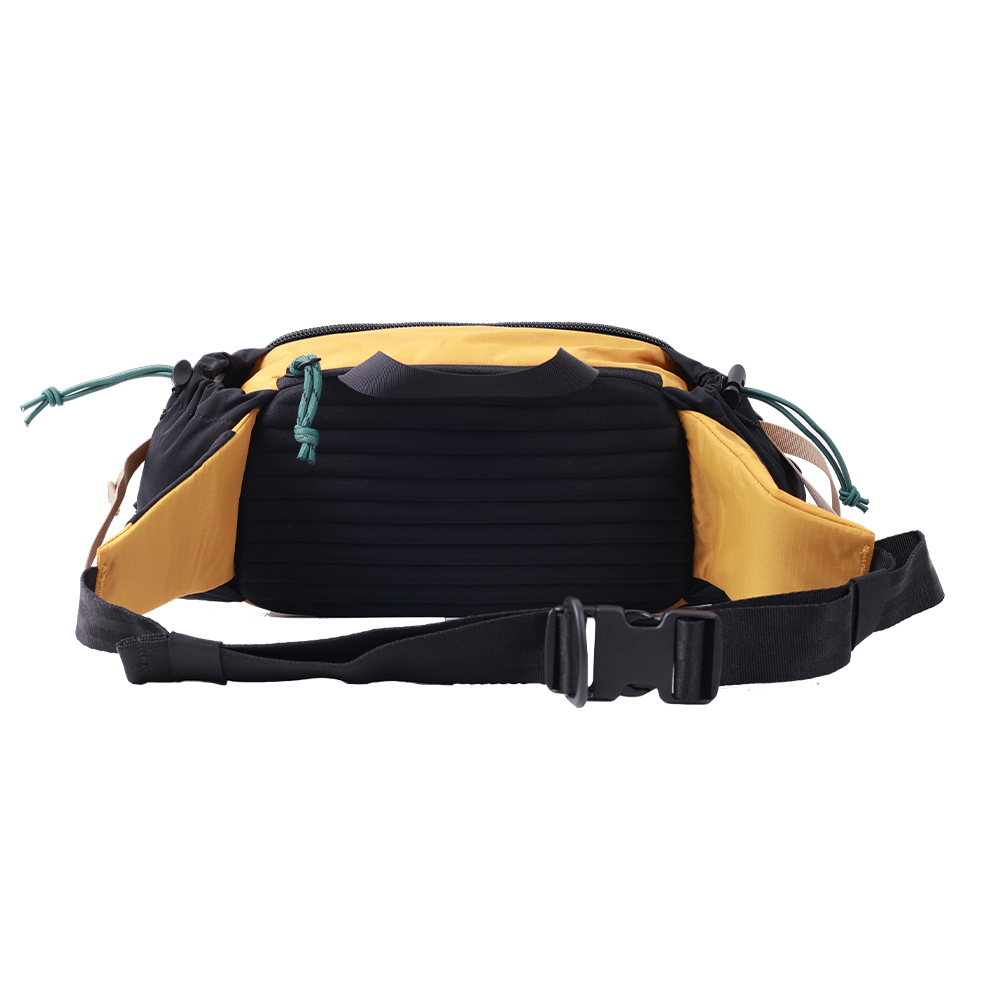
Alternatives and when each makes sense
Three practical routes: keep producing locally if speed and control trump cost; use a general overseas OEM if you need ultra-low price and massive volume; choose a private-label manufacturer when you need balance — faster ramp-up, lower MOQ, design input and quality oversight. If you’re testing new channels or niche features (reflective trims, modular pockets), private-label is usually the smarter move because it handles iteration without giant commitment.
A short checklist to scale without drama
1) Lock a tech pack with annotated tolerances. 2) Approve a P-prototype and a PP meeting where factory shows measurement sheets. 3) Run targeted tests (seam strength, zipper cycles, water-resistance) and keep records. 4) Agree QC gates: pre-run, mid-run and final inspection. 5) Confirm packing, palletization and freight terms. Do these five and you avoid most launch failures.
Where this ends up for your brand
If your aim is steady growth rather than one-hit wonder hype, partner selection matters more than marketing spend. A private-label partner who can turn tested samples into predictable batches — with accountable QC and sensible MOQs — closes the gap between idea and stock. For brands needing that exact bridge, working with an experienced partner like ChangRong shows how consistent specs, traceable checks and flexible runs move products from prototype into reliable retail supply without the usual headaches.