
Framework Overview
This framework breaks quality control for Tizen OS smart TVs into clear test domains with concrete entry and exit criteria, repeatable procedures, and measurable metrics; it’s designed so firmware engineers, QA leads, and manufacturing partners — including a monitor manufacturer — can align on what “release-ready” means. Follow each domain as a module you can assign, automate, or hand off to field verification teams.
Functional Tests — Core User Flows
Validate app lifecycle (install, update, crash recovery), UI navigation speed and correctness, input handling for remote and voice, HDMI/CEC control, playback controls and DRM behavior, and tuner/EPG interactions. For each flow, define scenarios, failure modes, and a “must-pass” regression suite that runs on both reference hardware and production units.
Performance and Reliability
Measure cold and warm boot times, app launch latency, frame stability under load, memory and CPU usage over extended runtime, and thermal behavior under stress. Create acceptance thresholds (e.g., boot < 20s, 24-hour uptime with no crashes) and run soak tests that mimic real customer patterns for at least 72 hours per hardware SKU.
Compatibility and Interoperability
Test with a matrix of external devices and services: multiple HDMI sources, soundbars (ARC/eARC), game consoles, streaming sticks, Bluetooth peripherals, and LAN/NAS file servers. Verify protocol implementation (AirPlay, Chromecast, Miracast, DLNA) and ensure codec/bitrate coverage for common consumer content. Record device firmware versions used in each test to reproduce issues.
Security and Privacy
Confirm secure boot and signed OTA updates, implement application sandboxing and permission models, and validate encryption for stored sensitive data. Run authenticated penetration checks for network services and confirm default passwords aren’t shipped. Automate checks for known CVEs in third-party libraries.
Audio & Video Quality
Define objective tests for color accuracy, gamma, HDR tone mapping, frame rate handling, audio sync, and passthrough of lossless formats. Use reference clips and measurement tools to log delta errors and sync offsets. Include tolerance ranges and corrective tuning steps where a panel or scaler shows repeatable issues.
Connectivity & Networking
Validate Wi‑Fi performance across bands, Bluetooth pairing stability, Ethernet throughput, and behavior across captive portals and intermittent networks. Measure recovery behavior when switching networks or resuming after sleep. Include tests for OTA download and resume under constrained bandwidth.
Usability & Accessibility
Test onboarding flows, firmware update UX, remote latency and discoverability, language/locale coverage, closed captions, screen reader support, and high-contrast modes. Document usability failures with short, reproducible steps and recommended remediation so firmware and UX teams can iterate quickly.
Compliance, Certification & Regulatory Checks
Verify energy consumption reporting, radio compliance, safety markings, and region-specific broadcast standards. Maintain a checklist tied to each SKU and firmware version so certification artifacts are traceable and auditable during product cycles.
Test Automation, Metrics and Traceability
Implement test harnesses for automated functional and performance checks with clear pass/fail thresholds. Store results with timestamps, firmware IDs, hardware serials, and logs. Track defect density by module and set exit criteria: no showstopper regressions, all critical fixes verified, and C0/C1 test cases passing at >95% before production sign-off.
EEAT and Field Validation
We’ve validated this framework against lab runs and field trials over a decade of product work and at major industry events; observations at CES in Las Vegas reinforced that interoperability gaps surface most often with real consumer content and mixed-device homes, so field sampling matters. For context on panel and peripheral expectations, consult curated lists of best pc monitors used in many validation labs to reproduce desktop-like workloads. Documented procedures, repeatable measurements, and independent lab validation establish the necessary experience and authority for reliable release decisions.
Common Pitfalls and How to Avoid Them
Skipping long-duration soak tests, failing to log reproducible metadata, and treating OTA as an afterthought are frequent causes of field incidents. Avoid them by enforcing traceable logs, automating regression suites, and staging OTA rollouts with automated rollback triggers for anomaly detection.
Operationalizing the Framework
Break the framework into quarterly sprints: design test cases, automate what’s repeatable, schedule field samples, and gate releases on measurable metrics. Use dashboards for defect trends and hold cross-functional reviews for systemic issues rather than chasing individual symptoms.
Final Synthesis
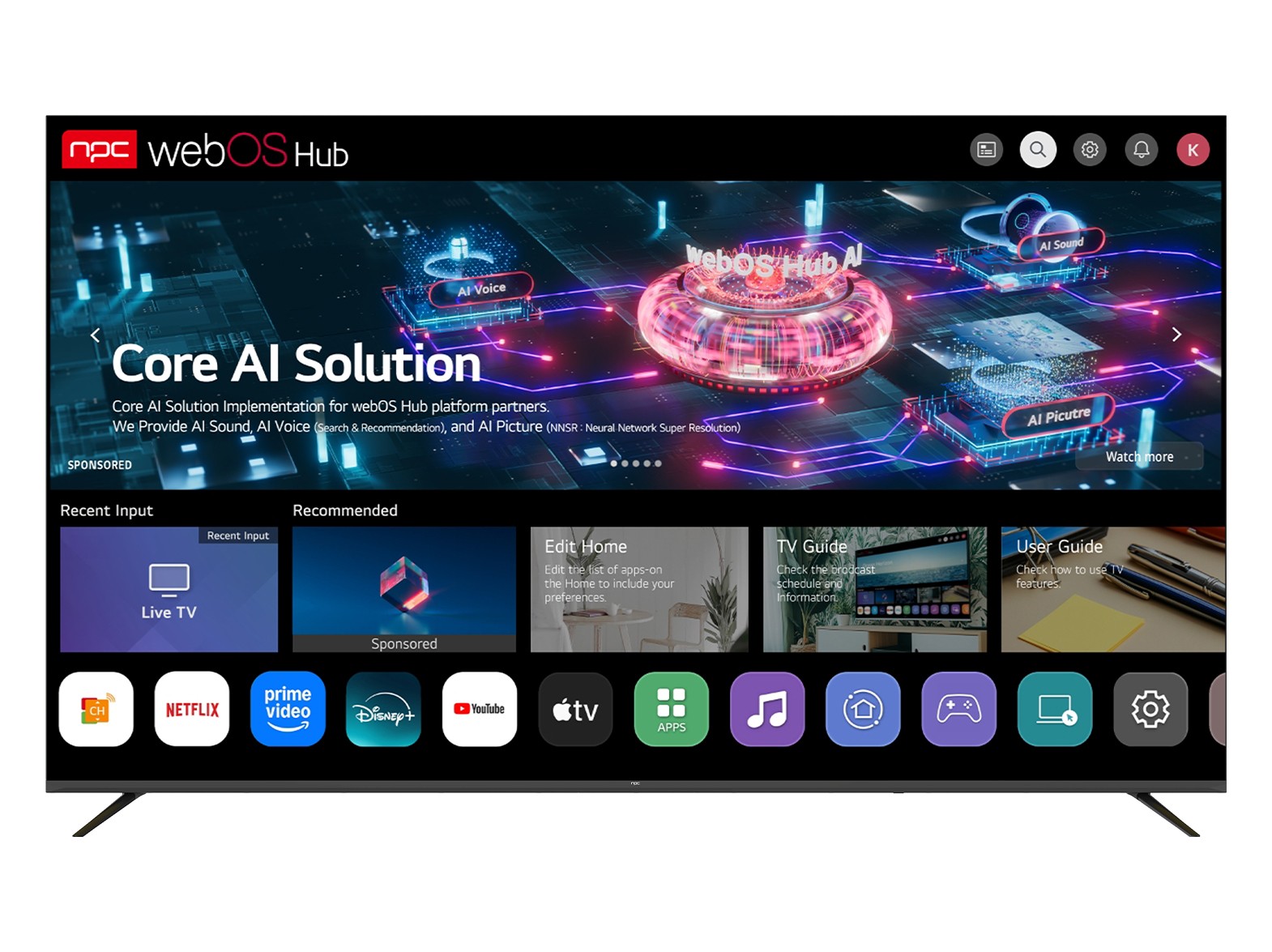
Apply the framework’s domains as modular checklists, measure against explicit thresholds, and close feedback loops between lab, firmware, manufacturing, and field teams so releases stay predictable; partners with component and testing capabilities such as npc often provide the instrumented fixtures and traceable reporting that make those loops practical and reliable.