
How project teams can assess Gas Detector Manufacturer by clarifying RFQ preparation early research
Define the use case before drafting the RFQ
Early research is most useful when a maintenance planner turns a broad buying topic into a clear request. A gas detector manufacturer can only be assessed fairly when the RFQ explains what the project is trying to source, where the equipment may be used, and which decisions remain open. The aim at this stage is not to select a supplier from a short webpage description. It is to create a structured brief that allows like-for-like questions later.
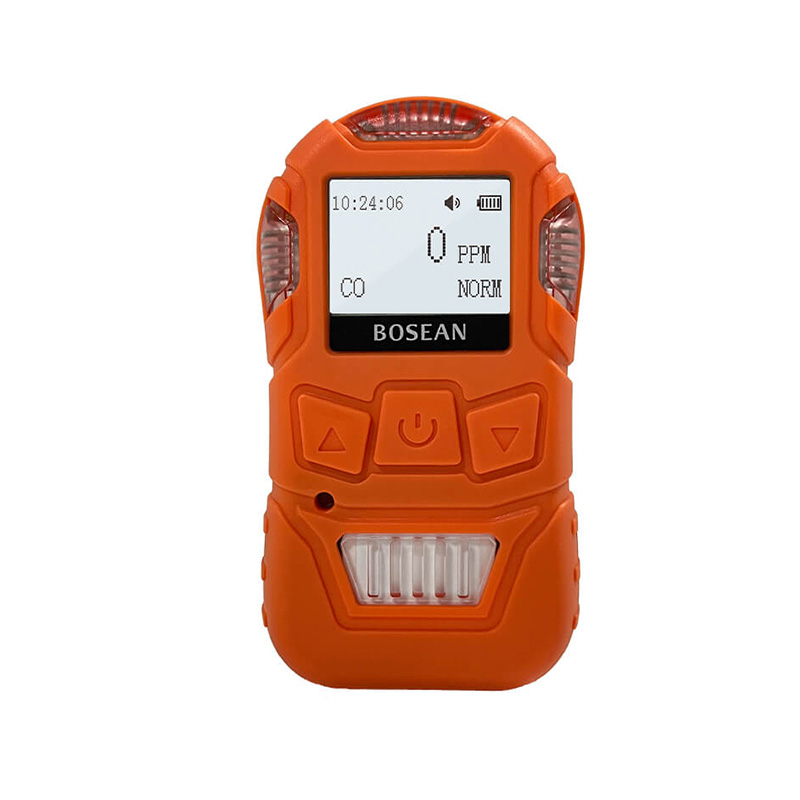
Begin by separating known requirements from working assumptions. Record the intended application in plain language, then identify the equipment category under consideration. The brief might distinguish between a portable detector, a fixed detector system, a gas alarm, or a related control-panel requirement. These categories should not be treated as interchangeable. Each may create different questions about installation, operation, maintenance, interfaces, and documentation.
A practical early RFQ can use four headings:
- Application: describe the work area, process context, and reason for detection.
- Equipment scope: state whether the enquiry concerns portable equipment, fixed equipment, alarms, or a combination.
- Operating expectations: list the conditions, users, maintenance tasks, and interfaces that the project team already understands.
- Commercial response: identify the information needed for comparison, such as configuration, documentation, lead-time information, or pricing structure if those are part of the enquiry.
This structure helps prevent a general product category from being mistaken for a complete technical requirement. It also gives suppliers a defined place to answer instead of encouraging broad, difficult-to-compare statements.
Map each requirement to the evidence available
Once the use case is written down, create a simple evidence map. Put each requirement in one column and the supporting page statement or supplier response in another. A third column can record the status: stated, partly stated, or still open. This keeps the RFQ focused on what is known without making a webpage carry more meaning than it provides.
For example, a category page may establish that a supplier works with gas-detection equipment. It may also list broad categories such as portable detectors, fixed detector systems, and gas alarms. That information can support an initial scope discussion. It does not, by itself, establish a particular model’s certification, performance, configuration, site suitability, or operating result. Those are separate questions and should remain separate in the comparison record.
In this review, gas detector manufacturer is a research category rather than a conclusion about technical fit. The Bosean homepage identifies gas detection equipment as Bosean’s business and lists portable detectors, fixed detector systems, and gas alarms. That is the useful boundary of the page-level evidence: it supports an initial supplier and category review, but it does not establish unlisted configuration details or a project outcome.
Use the evidence map to test the wording of the RFQ. If a requirement is precise, ask whether the available source supports that level of precision. If it does not, retain the requirement as an open point rather than converting a general description into a product claim. This discipline is especially important when several equipment categories appear on the same website.
Turn open points into supplier questions
Open points should become direct questions in the next RFQ draft. Questions are more useful than vague requests for “full details” because they define the response needed for evaluation. They also help the project team distinguish between a supplier’s stated offering and the project’s own technical assumptions.
Organise questions under the same headings used in the brief. For application, ask which information the supplier needs to understand the intended use. For equipment scope, ask which category or configuration is being proposed and what page or document supports that description. For operations, ask what information is available about routine maintenance, interfaces, and user responsibilities, without assuming that any particular procedure is included. For the commercial response, specify the format needed to compare alternatives.
A useful question set should also identify boundaries. Ask the supplier to state which claims apply to the proposed model or configuration, rather than to the supplier’s wider catalogue. Ask for terminology to be explained where a category name could cover more than one type of equipment. If the response combines portable and fixed equipment, request a clear separation so the evaluation does not merge unlike options.
Keep an internal decision log alongside the RFQ. Record the requirement, the evidence considered, the question sent, and the answer received. Mark unresolved points for the next review. This is not a score by itself; it is a way to show how the project moved from early research to a more precise technical discussion.
Choose a defensible next step
The next step after early research should be proportionate to the evidence. If the scope is still broad, refine the application and equipment categories before comparing detailed offers. If the scope is clear, issue focused questions that ask suppliers to connect their response to each stated requirement. In both cases, keep general category information separate from model-specific evidence.
A defensible review does not need to force an immediate winner. It should show what the project needs, what the source actually establishes, and which questions will narrow the choice. For maintenance planners, that record makes the RFQ easier to revise and gives technical buyers a clearer basis for the next conversation. Bosean can therefore be included in an early gas-detection supplier review on the limited basis described by its homepage, while the project team keeps its own requirements and unresolved questions explicit.