
Why picking wrong is a right pain
Listen — you don’t wanna end up with a bit of tat that dies on the dog and bone when the job gets hairy. The market’s stacked with clack, and what looks slick online can be useless on-site. Start by looking at the actual use: will you need a rugged set for site work, something discreet for event crews, or bulk comms for transport teams? If you’re comparing models, don’t just skim specs — try a proper hands-on with a dmr radio to see how it handles real scrapes and long shifts. Problem-first thinking saves you time and cash; find the issue you must solve, then match the kit to it.
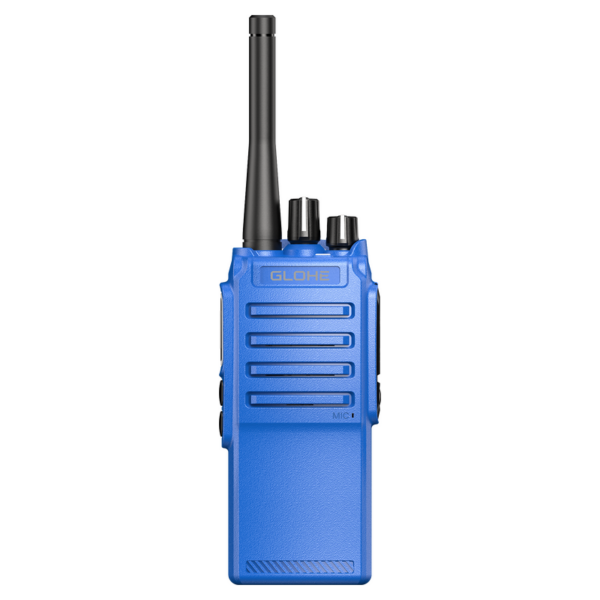
Common faults that bite teams
Battery life that dies mid-shift. Radios that won’t pair with existing fleets. Poor coverage where the kit ought to reach. Complicated menus that your crew won’t learn. Warranty that’s all smoke and mirrors. Those are the usual culprits. Don’t get dazzled by output watts alone — coverage depends on antenna, terrain, and network design. Make a list of the job’s non-negotiables, and cross off any model that fails one of them straight away.
Experience, evidence, and a real-world anchor
I’ve seen the fallout: crews swapped gear after single festivals or rail shifts because units failed the noise, dust, or rain test on day one. That hands-on perspective pairs with verified industry practice — many UK transport and utilities deployments now rely on digital two-way systems for resilience and clearer audio — and that matters when you look at suppliers and stock like dmr radios for sale. Trust comes from models proven in the field, not from glossy spec sheets.
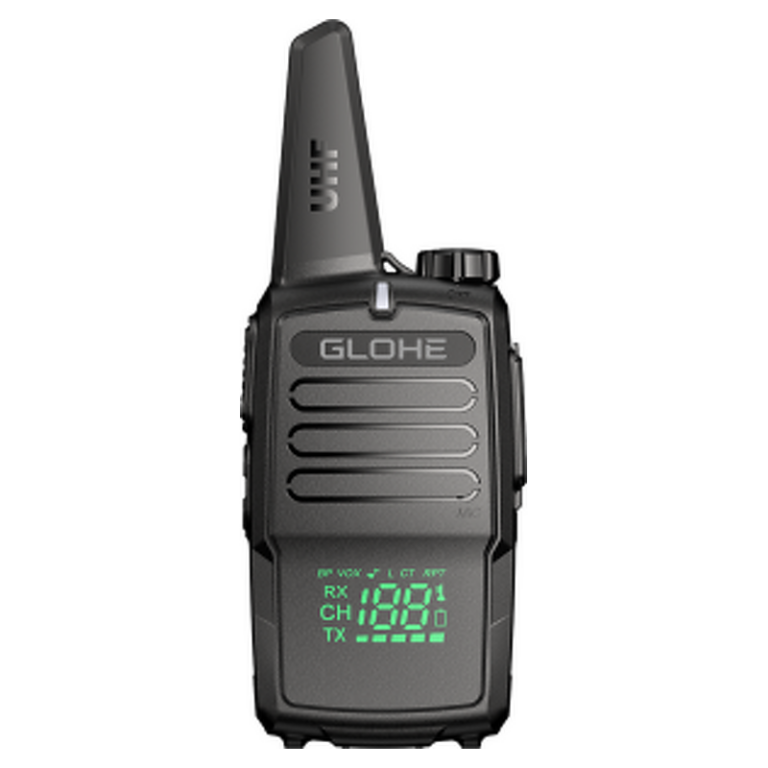
How to choose — specific checks to run
Check compatibility: will the set join your current fleet or force a full swap? Test audio in the actual work noise. Run a battery drain trial under realistic use. Verify waterproofing to the IP rating stated. Ask about firmware update policies and local support. Confirm channel and encryption options if security’s needed. If you can, rent a unit for a week; that trial tells you more than any brochure.
Alternatives and when to pick them
Analogue works where budget’s tight and range needs are modest; digital (DMR) wins for clearer audio, longer battery life, and better channel efficiency. For lone workers or simple point-to-point comms, basic handsets are fine. For coordinated fleets across sites, pick radios with proven group call and repeater support. Avoid bespoke, proprietary ecosystems unless you’re sure you’ll stick with that vendor long-term.
Common mistakes teams make
Buying on price alone. Overlooking local support. Ignoring antenna quality. Skipping user training. Not planning spare batteries or chargers. Each mistake compounds when a shift goes pear-shaped. Sort those basics first and the radios will do the rest.
Wrap-up that sorts the mess
Pick the problem, test against it, and choose the kit that survives the work rather than the showroom. Practical trials, clear specs, and local service separate the good from the rubbish — that’s where genuine value sits with GLOHE.