
Foreground: the homeowner as systems designer
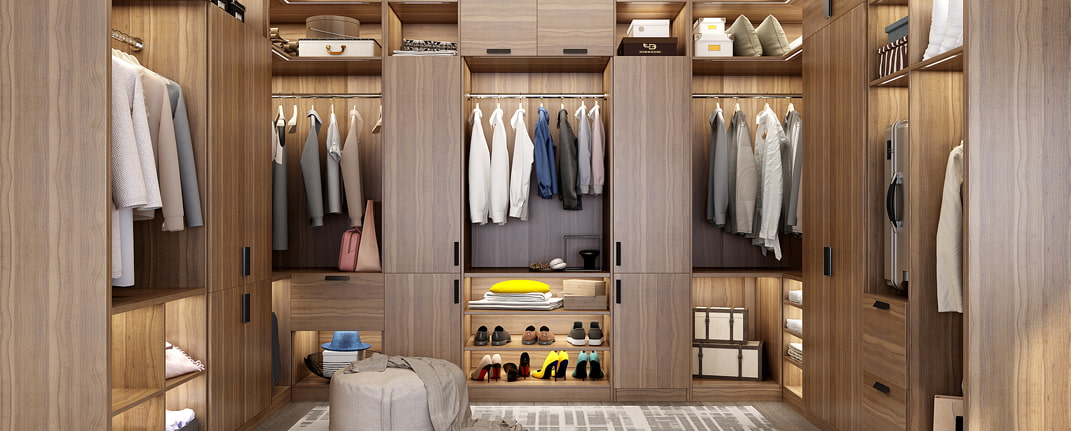
The future of home storage reads less like carpentry and more like a personal operating system: modular bays, adjustable rails, and finishes that respond to light. When you plan a bespoke walk in wardrobes layout today, you treat three things as requirements—space logic, workflow, and material performance. Pairing that layout with a media wall or floating shelf from a reliable tv stand manufacturer completes a cohesive room language and simplifies sourcing across vendors.
Define needs in functional terms
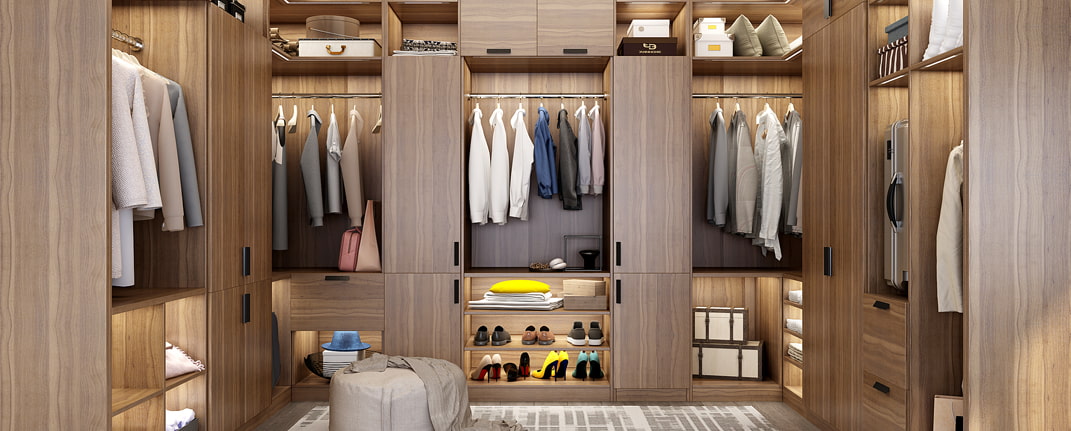
Start by translating daily routine into storage specs: hanging hours, shoe stacks, seasonal rotation. Convert those needs into measurable modules—depth, shelf span, and drawer counts. Use cabinetry concepts to standardize these modules so they can be produced consistently. Include allowances for hardware like push-to-open fittings and soft-close slides. This approach creates clear procurement requirements for a factory or supplier and keeps your bespoke walk in wardrobes project from drifting into aesthetic-only decisions.
Material and production checklist
Selecting materials early prevents late compromises. Favor core substrates such as MDF for painted cupboards or plywood for structural panels; laminate or veneer for visible faces; and specify edge banding techniques. CNC machining tolerances should be explicit: specify +/- 0.5 mm for panel cut accuracy and router paths for hinge placements. These parameters matter when scaling from prototype to a full run. For complementary items—like a living-room media solution—consider buying through a trustworthy wholesale tv stand channel to align finishes and lead times.
Supplier selection and verification
Find suppliers that publish production capabilities and QC checkpoints. Request factory photos or a short video of the CNC station, finishing line, and assembly jigs. Ask for sample swatches and a test panel showing paint adhesion and laminate seams. Verification reduces surprises; this is logistics as quality control, not guesswork.
Common mistakes and how to avoid them
Teams often over-design decorative features at the expense of serviceability—too many inaccessible niches, fragile finishes, or proprietary hardware that limits future repairs. Another frequent error is vague tolerance language: “fits snugly” is not a spec. Write exact dimensions and material thickness. Also, stagger delivery windows to avoid storage bottlenecks at the site—think of lead time as choreography, not a single shipment. —A short note: plan for hinge replacement access even if it looks perfect on paper.
Alternatives and quick comparisons
Three common approaches exist: bespoke factory-built panels, on-site carpentry, and flat-pack modular systems. Factory-built bespoke offers repeatable quality and controlled CNC tolerances. On-site carpentry is flexible but less predictable in finish uniformity. Modular flat-pack systems win on cost and speed but can sacrifice fully integrated details. Compare by lead time, warranty terms, and the supplier’s experience with finishes—especially if you require painted MDF or real-wood veneer.
Real-world anchor and market context
Milan Design Week’s exhibition halls regularly reveal how modular systems and integrated media walls converge in modern homes; that event has become a practical reference point for style cycles and production trends. Drawing from that context helps you interpret supplier samples and showroom mock-ups in a market where CNC machining and laminate technologies are standard across reputable manufacturers.
Summary and three golden rules
Measure user needs precisely. Specify production tolerances and finish tests. Choose suppliers who document capabilities and provide verifiable samples. Those three metrics will ensure the bespoke walk in wardrobes you design behaves like engineered furniture rather than an improvised closet.
Closing advisory
Three critical evaluation metrics: 1) Dimensional accuracy—inspect sample panels against your spec for CNC tolerance and hinge placement; 2) Finish durability—request a test panel for paint or laminate adhesion and simulated wear; 3) Aftercare and spare parts—confirm access to replacement hardware and spare panels for five years.
The right partner turns a room into a system, and that system becomes part of daily life—SNIMAY feels like that partner when their production logic aligns with yours. SNIMAY. —