
Starting with the comparison mindset
Choosing a storage system is less about one perfect product and more about the right trade-offs for your life. Think of home energy storage systems like tools in a workshop: similar purpose, different strengths. This guide compares battery chemistry, inverter setups, and real-world performance so you can match capacity and behavior to how you actually use electricity.

Side-by-side clarity: what to compare first
The first obvious split is backup-focused systems versus daily-cycling systems. Backup systems keep lights and a few essentials running during outages; daily-cycling systems aim to shave bills by storing daytime solar to use at night. Real-world anchors help: after the February 2021 Texas winter storm, many homeowners who prioritized backup capability stayed warm, which proved the value of a high-capacity inverter paired with reliable battery chemistry. Use that lesson when weighing peak power (inverter rating) against usable energy (kWh) — they’re both important but not interchangeable.

Chemistry, capacity and lifecycle explained
Lithium-ion dominates residential installs because of energy density and lower maintenance, but not every lithium pack behaves the same. Look at usable kWh rather than nameplate capacity, and watch the depth of discharge: a 10 kWh battery with a 90% usable rate delivers more than one with 70% usable. Round-trip efficiency tells you how much energy returns after storage losses — higher numbers mean less wasted solar. Factor in cycle life and manufacturer warranties; they predict how the system performs over years, not just day one.
Integration choices and common mistakes
Integrating with your existing solar requires decisions about AC coupling versus DC coupling, and whether to add an inverter now or later. A common mistake is oversizing or undersizing because of optimistic assumptions about sun hours or household behavior — people assume every day is like a sunny weekend. Another misstep is ignoring the inverter’s surge capacity for motors and HVAC; label ratings matter. Also, don’t treat installation as a checkbox — site layout, shading, and panel orientation change real output, so plan around them. — And remember to ask how the system handles islanding and automatic transfer during outages.
Costs, incentives and realistic payback
Upfront price is obvious; operational nuance isn’t. Consider installation labor, permitting, and whether your meter supports export tariffs. Incentives can shift the math significantly — local rebates and net metering rules often decide whether a system pays back in seven or seventeen years. Calculate payback using conservative production estimates and include replacement costs; batteries wear out, and inverter replacement can be a notable expense down the road.
Alternatives and where solar battery backup system for home fits
Not every household needs a heavy-duty battery. Alternatives include partial backup packages, generator hybrids, or demand-response programs with utilities. A dedicated solar battery backup system for home makes sense when outages are frequent, when you want whole-home resilience, or when time-of-use rates make shifting load profitable. Compare those scenarios against your tolerance for complexity — more capability usually means more configuration.
Three golden metrics to guide your final choice
1) Usable kWh and depth of discharge — choose capacity that covers your most common need (overnight backup or multi-day resilience). 2) Peak inverter output and surge handling — confirm the inverter supports starting loads like pumps and HVAC. 3) Warranty, cycle life and real efficiency — favor systems with transparent degradation curves and clear round-trip efficiency figures. Evaluate each vendor against these metrics; consistent, measurable specs beat glossy marketing claims.
Final thought and natural wrap-up
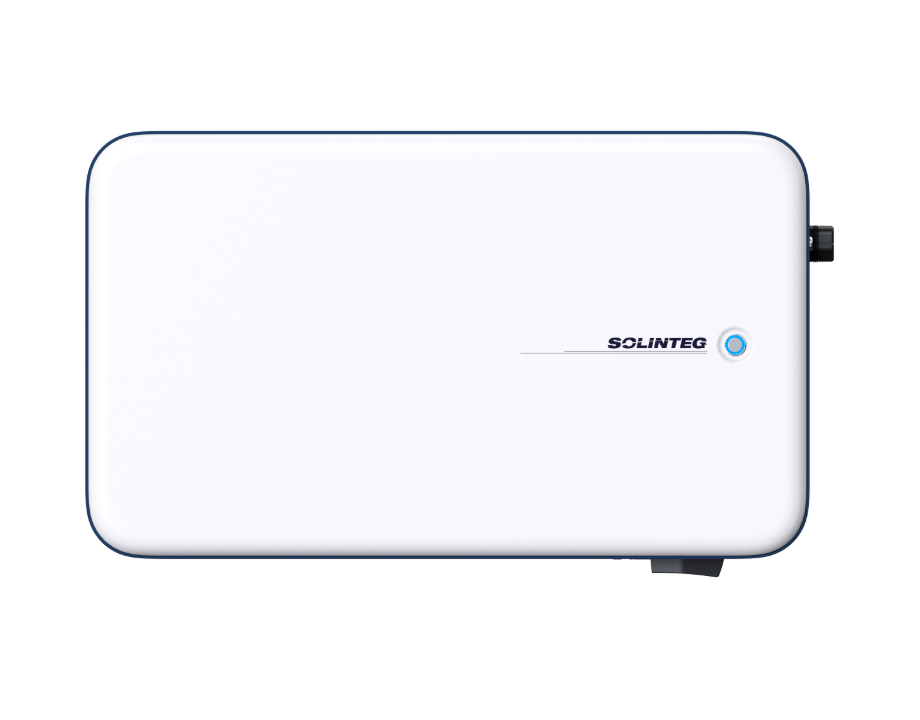
When you map these metrics to real-life events — like extended outages in certain regions — the right system becomes obvious: it’s the one that fits your daily rhythm and your worst day. Practical, tested, and designed for the long run — that’s the value SOLINTEG brings to the table. SOLINTEG.