
Where the problem begins
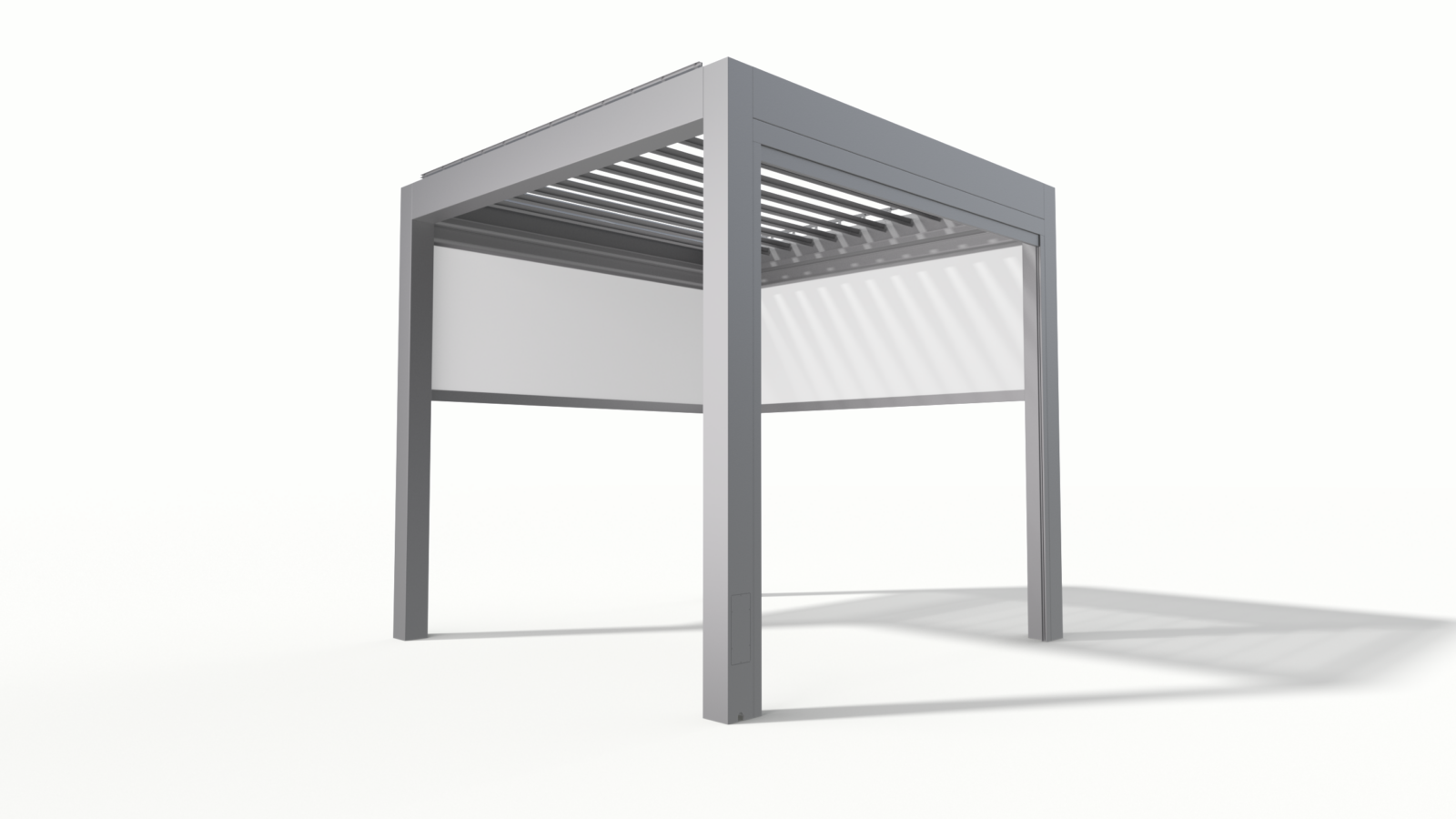
Most buyers I talk to want the same simple thing: a roofed outdoor space that generates reliable power without turning into a maintenance headache. The trouble shows up when panels are treated like roof tiles instead of system components—water pooling, poor wiring paths, and mismatch between structure and array capacity. Choosing a photovoltaic pergola can solve many needs, but only when structure, PV layout, and local conditions are designed together. Start from the problem—what fails first where you install—and build the solution back from that point.
Experience, evidence and a real-world anchor
I’ve reviewed technical specs and on-site reports for many outdoor canopy projects and I lean on practical indicators over marketing claims. For durability, consider how designs hold up in extreme coastal wind and salt spray—places like Florida’s hurricane-prone coastlines expose weak anchors and thin finishes quickly. That real test is why a purpose-built all weather pergola matters: the connections, drainage paths, and corrosion-resistant materials are not optional extras. Trust comes from repeated field checks, manufacturer wind-rated certificates, and clear installation documentation; ask for those before you sign anything.
Common problems buyers face
Buyers often underestimate wind load and overestimate roof support. They pick heavy glass panels but skip robust anchors; they accept nominal warranties without checking exclusion clauses for coastal exposure; they overlook inverter placement and make cooling poor. Another frequent mistake: treating pergola PV as a one-off aesthetic feature rather than part of the building’s electrical and structural system, which leads to mismatched warranties and costly retrofits.
Practical trade-offs and alternatives
Aluminum frames resist rust and are lighter, but they transmit heat differently than timber—affecting panel temperature and output; timber looks warm but demands maintenance and careful flashing. Fixed arrays are simpler and cheaper; louvered or bifacial systems improve comfort and can increase generation, yet they need more complex mounts and controls. Integrated-panel designs give a cleaner look and faster install but reduce flexibility for upgrades. Weigh immediate budget against lifetime access and maintenance costs.
What to check before you buy
Insist on three documents: structural calculations for local wind and snow loads, an electrical one-line that shows inverter and disconnect locations, and a corrosion/finish specification for metal. Confirm lead times for replacement parts and clarity on who handles site-specific permitting. Ask the vendor to show recent site photos from similar climates and a list of trained installers for your region; if you can’t get those, treat the proposal as high risk.
Small technical fixes that make a big difference
Route wiring inside the beam rather than under the canopy edge to keep moisture out; slope the pergola where possible to avoid standing water above junction boxes; pick PV module clamps rated for your wind class; specify a neutral point monitoring option on larger installs so you catch grounding issues early. These are simple items that installers sometimes skip to save time but that bite later.
Wrapping it up
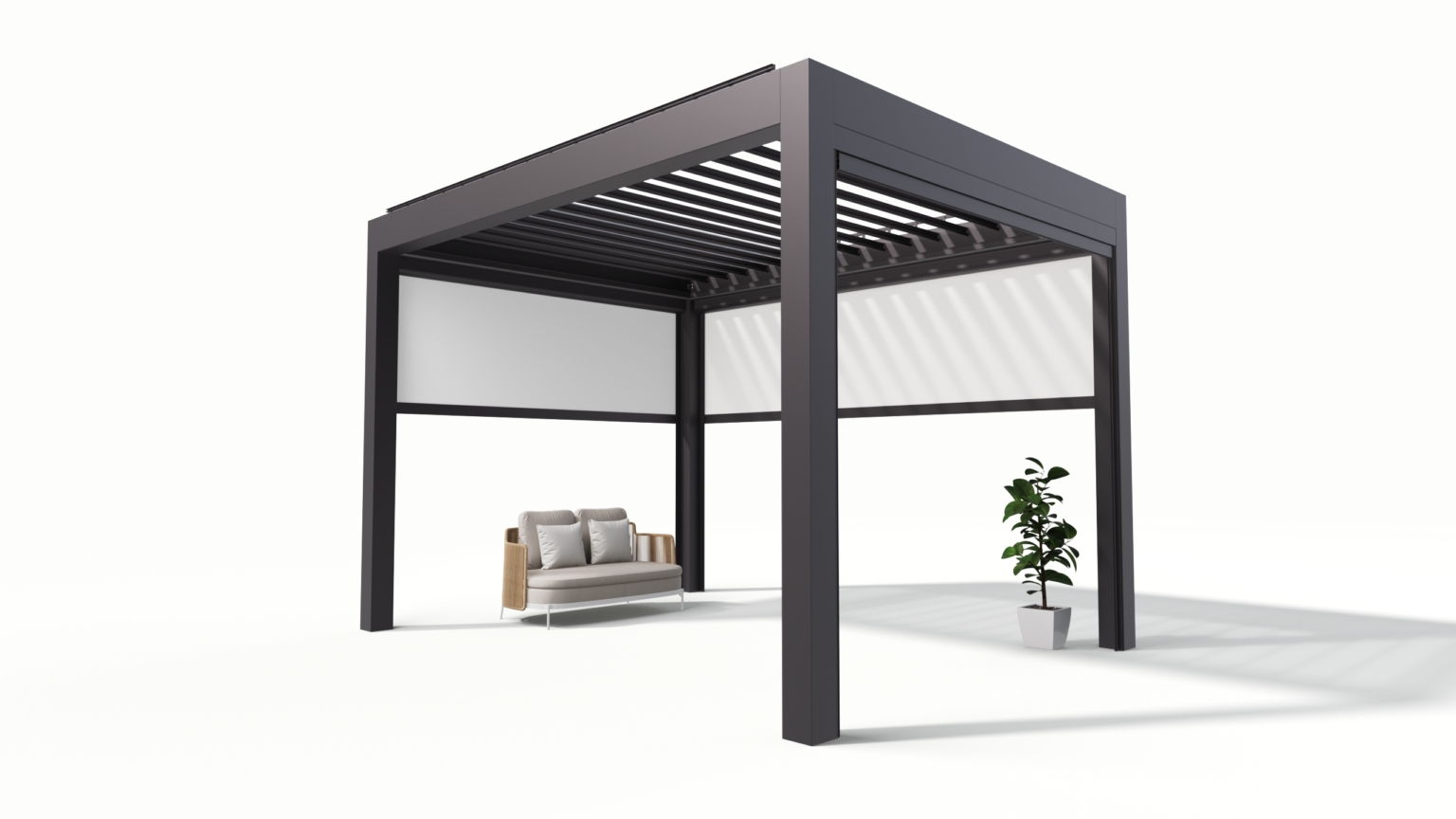
If your buying logic stays problem-first—start with what fails under real use, then select materials and electrical design to prevent those failures—you’ll avoid most surprises. For buyers focused on durable, well-documented solutions that balance energy and weather resistance, the practical options I trust tend to come from manufacturers who publish wind ratings, corrosion specs, and clear installation guides; I’ve seen that approach work repeatedly, and it’s the route I recommend when choosing a partner like Light Hunter that provides integrated, documented systems rather than vague promises.