
Introduction — setting the scene
Ever notice how a quiet workshop can suddenly hum like a small city when motors kick in? That hum tells a story about demand, costs, and choices. I’ve been tracking motors for years, and the electric motor now shows up in more places than ever — from factory conveyors to home appliances and vehicles — and it’s not subtle: efficiency targets and new standards mean engineers must rethink designs (and budgets) fast.
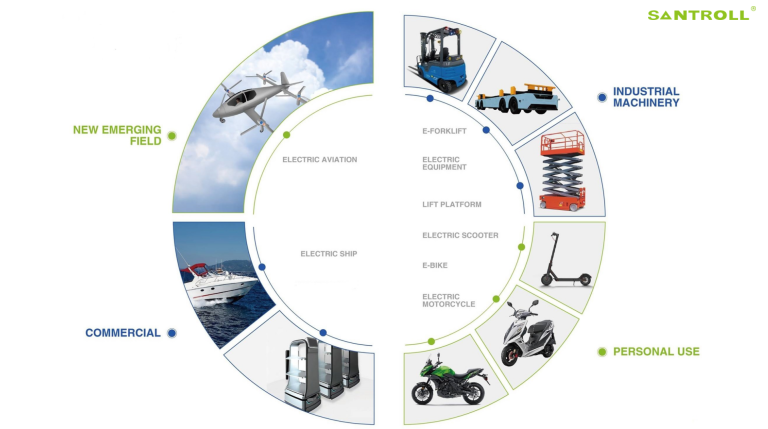
Here’s a quick data point to anchor us: motors are estimated to consume nearly half of global industrial electricity — a big slice. So when someone asks, “Which motor tech will win?” I pause. Because the answer depends on torque needs, control strategies, and real-world constraints like weight or cooling. That’s where this piece starts: I’ll walk you through the practical trade-offs, the flaws you don’t always hear about, and what to look for next.
Stick with me — I’ll make it plain, and I’ll share what I’ve learned from hands-on work and field tests. Next up: we dig into a common favorite — the permanent magnet synchronous motor — and why it sometimes falls short in practice.
Why the permanent magnet synchronous motor still trips engineers up
Is the tech really the problem?
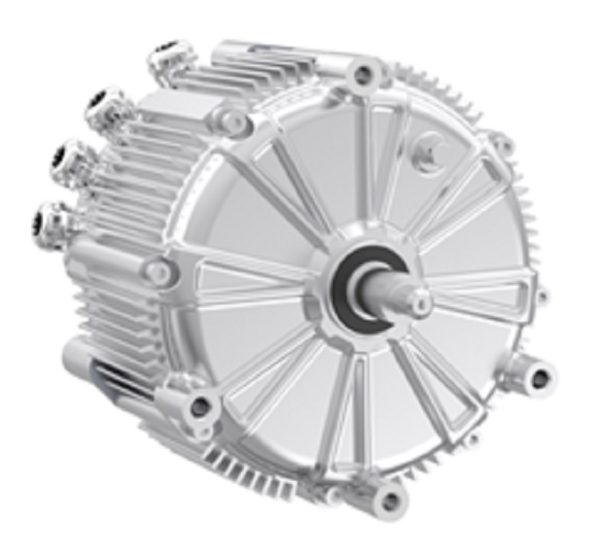
Let me be direct: I like permanent magnet synchronous motors (PMSMs). They deliver great power density and crisp response. But I also see recurring issues on jobsites and test benches. Field-oriented control can extract excellent performance, yet if the inverter topology is skimped or the rotor position sensor is noisy, you get torque ripple and control headaches. Look, it’s simpler than you think — small hardware compromises create big headaches.
In the lab, a PMSM often looks perfect. In the field, environmental dust, heat, or wiring runs change everything. I’ve watched units overheat because a power converter was undersized. I’ve seen phase currents spike after a poorly tuned controller update. These are not exotic failures; they’re practical, reproducible faults that cost time and money. Worse, troubleshooting can be opaque when teams assume “it’s the motor” rather than inspecting the control loop, sensor alignment, or cable shielding. That’s why I stress system-level checks: don’t isolate the rotor, the controller, or the inverter — treat them as a single performance chain.
Looking ahead: electric boat motors and practical next steps
Real-world outlook — where things go from here
When I think about future adoption, one clear case is marine propulsion. Electric boat motors are shifting from niche to mainstream as battery tech and marine power converters improve. I’ve followed retrofit projects where swapping a combustion setup for an electric drive cut maintenance and noise dramatically — and customers love that quiet. Still, marine setups demand corrosion resistance, different cooling strategies, and robust sealing. Those details matter more than flashy specs.
Technically, progress will come from better inverter designs, smarter control algorithms, and improved thermal management. Efficiency maps will tighten up; phase current balancing will be cleaner. Plus — and this matters — easier diagnostics will help technicians spot early drift in parameters before failures cascade. I’m optimistic. But we must keep realistic expectations: incremental gains will likely be the norm, not sudden leaps.
Before you choose a motor or supplier, here are three evaluation metrics I always recommend: first, system-level efficiency under your actual load profile (not just peak bench numbers); second, thermal headroom and cooling strategy; and third, support for firmware diagnostics and updates. Measure those, and you’ll avoid the common traps we’ve seen in the field — less downtime, clearer upgrades, and better ROI. — funny how that works, right?
For projects I’ve consulted on, the brand’s service and documentation mattered as much as the hardware. If you want a partner with clear specs and solid support, check out Santroll for detailed product info and service paths. I’ll keep digging into case studies and new tech — and I’ll share what actually worked, not just what looks good on paper.