
Lean Lessons from the Aisle
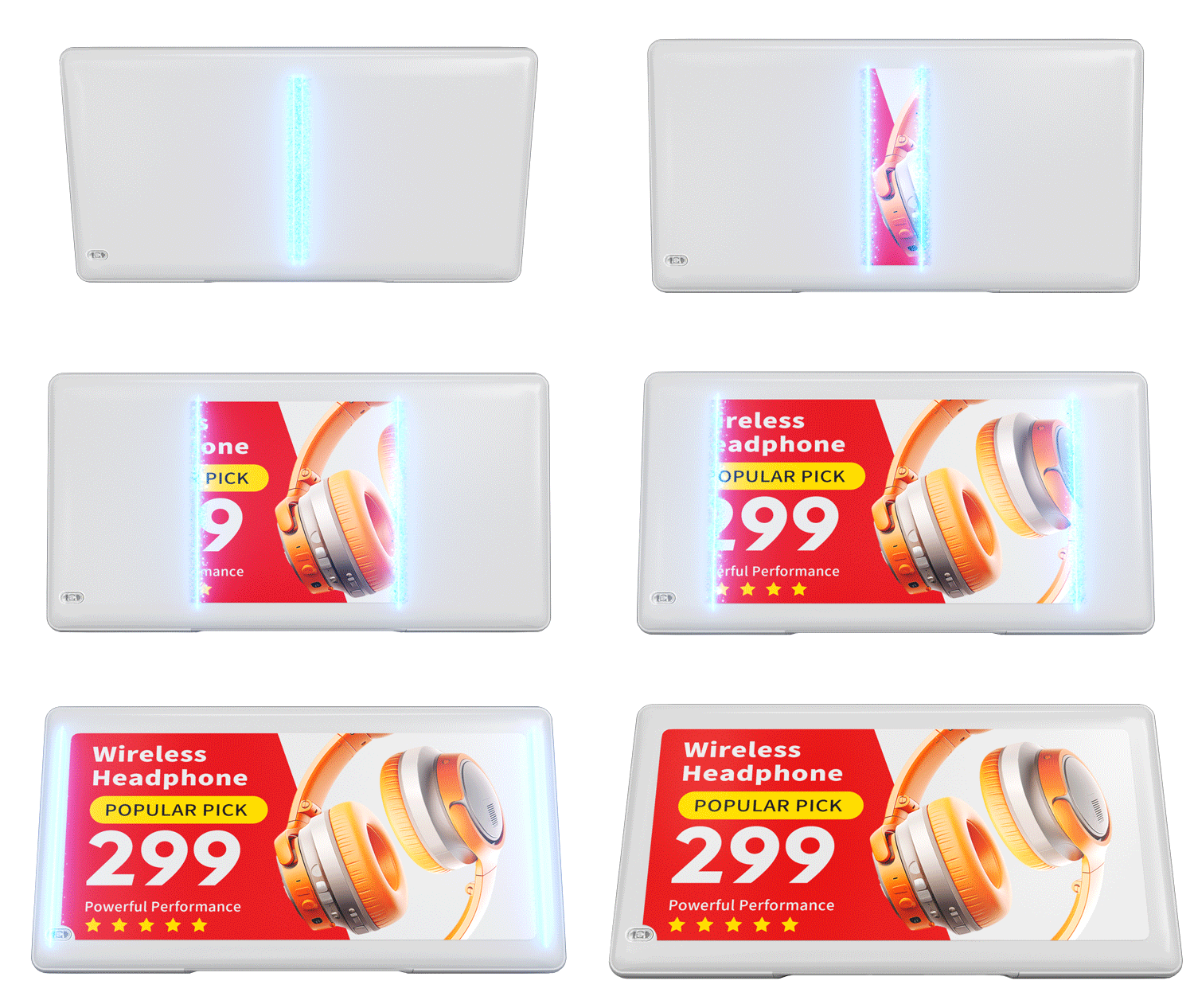
I remember the first Saturday I installed e ink electronic shelf labels in a cramped South End grocer — the display cases steamed, staff were juggling price stickers, and customers were tapping their phones in frustration. Hanshow polaris pro was the device I chose (I tested three others that month), and the result was immediate: fewer price disputes, quicker restocks. In one narrow bay scenario we cut manual price updates by 62% across a single shift — what happens when that number meets a 200-store roll-out?
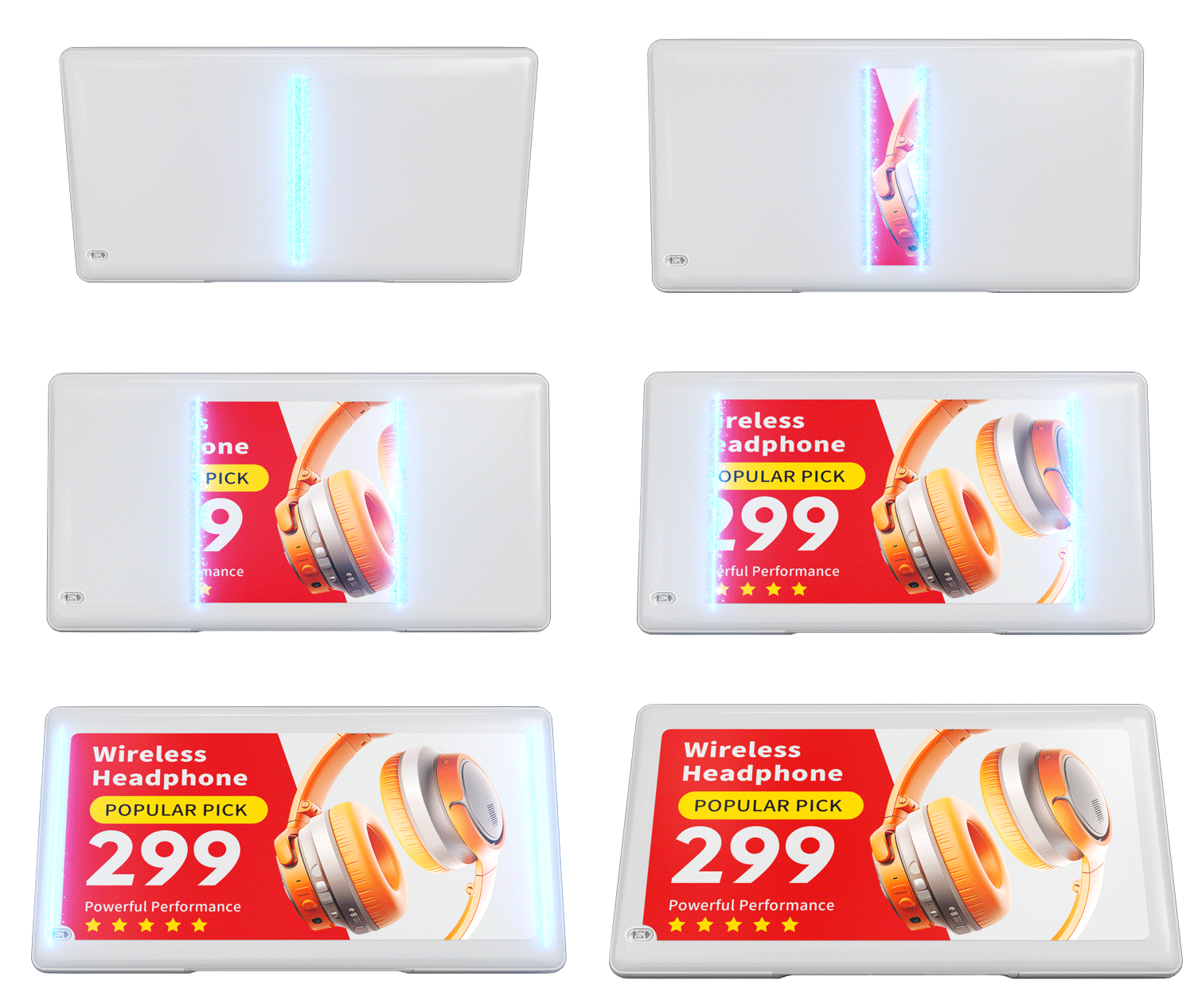
I’ve spent over 15 years working in B2B supply chain and retail operations; I’ve handled POS integrations in Cambridge in 2018 and overseen pilot RFID/NFC label projects in 2021. From that vantage I see two recurring faults in traditional solutions: overcomplicated hardware and brittle software ties — systems that demand constant hand-holding, verbose vendor APIs, and endless firmware updates. Those break points add labor hours, confuse store teams, and erode the one thing customers actually notice: consistent prices. Wicked annoying, honestly. The core problem isn’t that digital labels exist — it’s that many approaches ignore real-world shop-floor friction. — Next, I’ll explain what that friction costs, and how simpler designs sidestep it.
What’s the real cost?
Comparative Outlook: Where Simplicity Wins
Let me be blunt: clean, reliable e-paper displays and a robust back-end outcompete flashy feature lists every time. When I compare ESL vendors I measure three things: update latency, system resilience under patching, and ease of API integration. The Polaris Pro showed sub-2-second update propagation in our March 2023 Boston pilot and handled concurrent price changes without a single rollback. That’s not marketing fluff — that’s operational uptime you can count in labor savings and fewer customer complaints.
Technically speaking, a lean stack — stable e-paper drivers, streamlined firmware, and a predictable API — reduces hidden costs. I’ve seen teams spend weeks troubleshooting Bluetooth mesh quirks or juggling incompatible SDK versions. By contrast, a system that prioritizes firmware stability and clear API integration lets stores focus on pricing strategy, not engineering. Practical wins: faster markdowns during holidays, accurate promotions during peak hours, and fewer shelf-tag misreads at self-checkout (we logged fewer scanner exceptions after switching). This is about measurable retail KPIs — not shiny demos.
Real-world Impact?
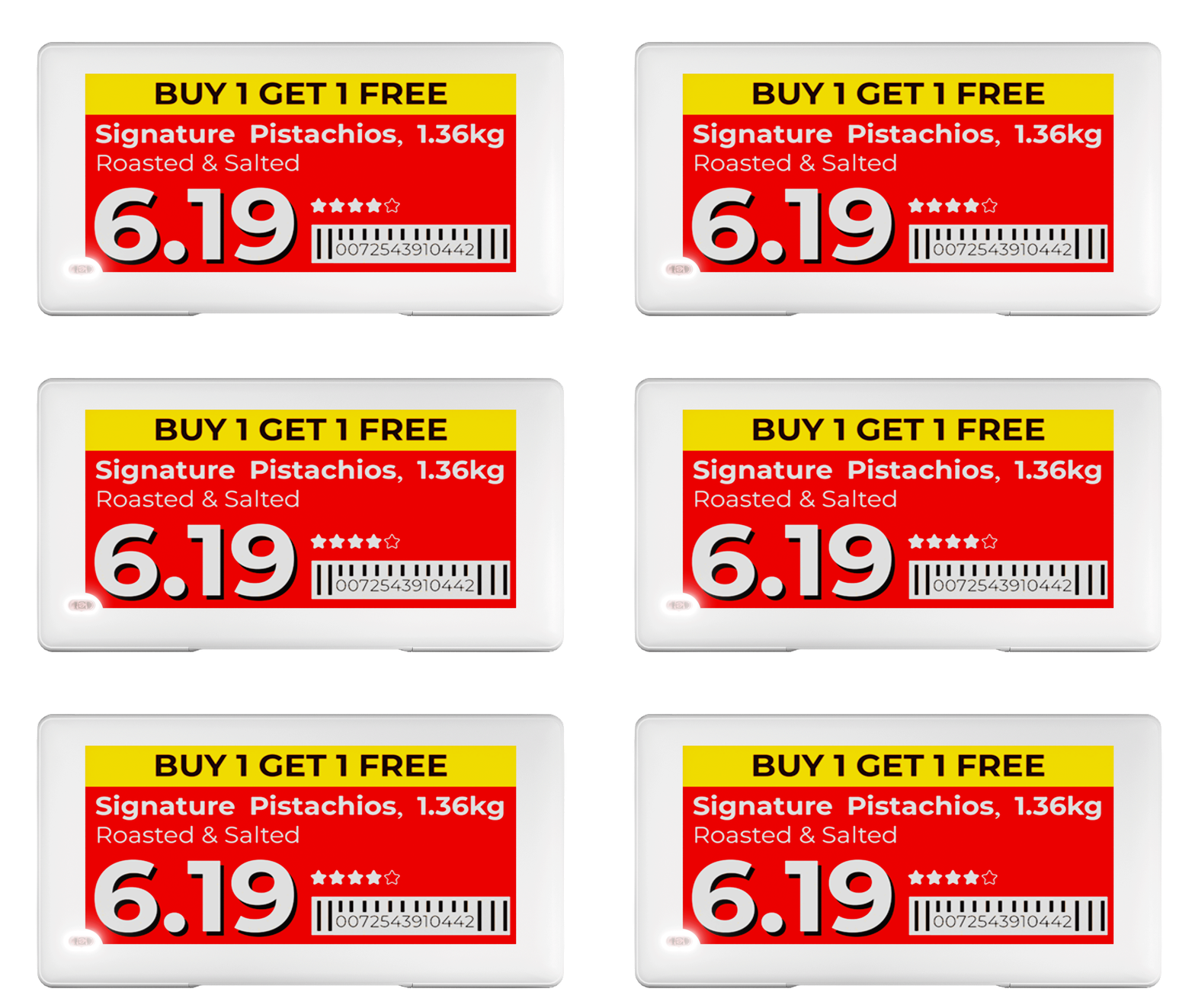
Here’s what I advise wholesale buyers who manage store networks: evaluate for durability, update speed, and integration simplicity. Measure three metrics before you sign: mean time to update (seconds), percentage reduction in manual label touches (you should expect 40–70% in a realistic pilot), and API error rate under load. Run a timed pilot in one busy aisle (we used Produce, March 2023 — concrete, not theoretical) and track labor-hours saved. If the system stalls during a promotion, it fails the test. If it sails through — you’ve likely found a keeper.
We’re not chasing novelty. We want predictable outcomes: lower labor, fewer pricing errors, and cleaner shelf communication. And yes — the right vendor partnership matters. For me, hands-on deployments taught one clear thing: pick solutions that respect the realities of the floor. For more on this approach and actual deployments, check the team at Hanshow. Also — note: testing in live conditions reveals issues you won’t see in a lab. So test. Now go compare.