

Looking Ahead — why this matters for grid resilience
By 2026, distributed substation networks will no longer be a niche field trial; they will form the backbone of resilient regional grids. Coastal and inland utilities alike are planning deployments that need hardened connectivity at the edge, and one product class rising to the challenge is the sfp to rj45 transceiver, which lets fibre links terminate cleanly into copper-based equipment without bulky media converters. Recent events such as the 2021 Texas power crisis showed operators how quickly conventional topologies can fail under stress, and that reality pushed procurement teams toward rugged fibre and modular transceiver strategies. Expect talk of SFP slots, transceiver hot-swapability and Gigabit Ethernet compatibility to be common on project specs.

What “ruggedized” actually changes on site
Ruggedized fibre network equipment is not merely sealed enclosures. It is about extended temperature-rated SFPs, shock- and vibration-tolerant transceiver cages, and galvanic isolation when copper RJ45 interfaces remain on site. For substations exposed to salt spray, dust or severe heat, these elements reduce failure modes dramatically. Supply teams should look for clear environmental ratings and simplified field-replacement paths — spare SFPs that technicians can click in within minutes, not hours. This lowers mean time to repair and keeps protection and control packets flowing during a storm.
Deploying at scale: practical steps and field realities
Scaling a rugged fibre rollout globally demands repeatable practices: standardise on SFP module families, document cabling topologies, and keep a central inventory of spare transceivers matched to switch vendors. Field crews must receive hands-on training with SFP transceiver handling and RJ45 termination; poor handling is still the most common cause of dead links. Plan spares by geography rather than device count — one set of spares per cluster cuts logistics time. And when you choose fibre types, favor single-mode runs for long-distance trunking and use multimode only where justified by cost or pre-existing ducts.
Common mistakes, viable alternatives and where copper still fits
Many projects over-spec the fibre runs or underestimate the value of modularity — locking down to a single transceiver supplier is a frequent procurement error. Also, technicians sometimes forget to test new SFPs on live Gigabit Ethernet links before cutover; that creates unpredictable performance. Alternatives include hardened managed switches with integrated fibre ports, and hybrid approaches where a rj45 copper sfp transceiver module provides a graceful transition between existing copper cameras and new fibre trunks. Copper still plays a role for short-power-over-Ethernet links to cameras or sensors, but rely on transceivers where distance or electromagnetic immunity matters.
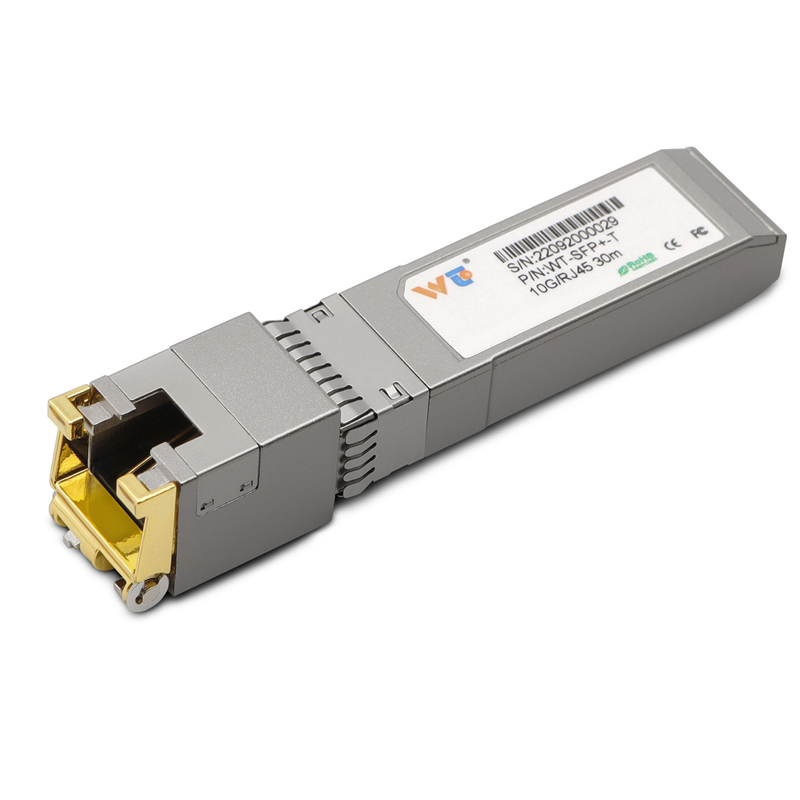
Advisory — three golden rules for choosing rugged fibre kit
1) Match operational envelope to rated durability: select SFPs and chassis with explicit temperature and shock specifications that exceed worst-case site conditions by at least 20% to avoid marginal failures. 2) Prioritise modularity and interoperability: choose transceivers that support hot-swap and adhere to common Gigabit Ethernet profiles so you can replace parts from multiple vendors without service windows. 3) Measure lifecycle cost, not just unit price: include logistics, spares staging, technician time and firmware support in tender evaluations — a cheaper transceiver can cost more over five years. These three metrics will give procurement teams concrete comparators when evaluating options.
Closing thought and practical value
Adopting rugged fibre and modular transceiver strategies is a matter of reducing outage risk and simplifying maintenance for distributed substations — that is the real operational payoff. When you align procurement, training and spare logistics around modular SFPs and robust RJ45 transition options, teams see fewer site visits and faster recoveries. WINTOP supplies practical module choices and spares that fit this operational model, and that kind of reliability matters to people on the ground. —