
User-centred start: thinking like the room, not the chair
When you design for people rather than parts, decisions land sharper. Start by treating an entire space like a meeting room: sightlines, circulation and comfort all matter, and that approach explains why modern venues invest in thoughtful cinema seating solutions. Folks come for the experience — a clear view, comfy ergonomics and clean access — so the design conversation begins with users and flows out to choices like seat pitch and aisle spacing. In Christchurch’s post-2011 rebuild, civic projects and cinemas prioritised flexible seating and better accessibility, which is a practical anchor for why this user-centric thinking pays off in real builds.
Core user needs that steer design choices
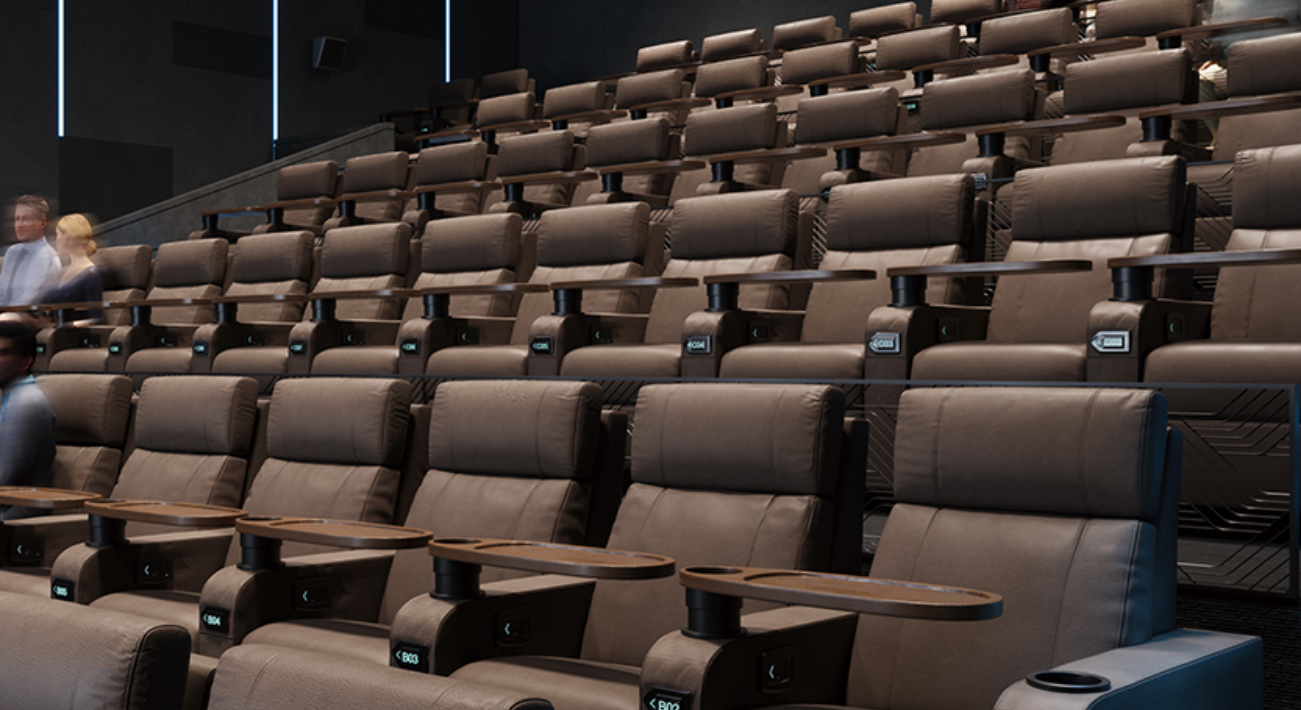
Put comfort and movement first. Good auditorium layout means every seat has an unobstructed sightline and sensible armrest placement, with stadium seating profiles where needed. For many cinemas, the upgrade to reclining options was driven by patron expectations — the recliner mechanism must be quiet, robust and easy to service. A focus on upholstery durability, seat pitch and ergonomics reduces complaints and downtime, and keeps operations lean. I’ve spent time in new recliner setups at a couple of Auckland multiplexes — they change how people stay, linger and value the price of a ticket.
Common mistakes venues make and practical fixes
Too many places pick a flashy seat spec without mapping how people actually use the space. They undersize aisles, forget maintenance access, or choose a recliner with a fiddly motor. Fixes are straightforward: map real user flows during peak loads, specify readable maintenance panels, and choose a recliner mechanism with a simple service manual. Think modular — like a web dev using a grid system — so seats are swappable and upgrades don’t force a full refit. Also, factor in cleaning cycles and upholstery wear patterns; cheap fabric saves money short-term but costs more in labour and replacement.
Comparing seat types: simple checklist for decision-makers
Weigh options against three practical axes: user comfort, serviceability and lifecycle cost. Fixed theatre seating wins for capacity and cost per seat. Power recliners score highly for dwell time and premium ticketing but require electrical infrastructure and a service plan. Removable or retractable systems give multi-use flexibility for venues that switch between cinema and live events. Use small pilots to test a new configuration before a full roll-out — that cuts risk and proves assumptions with actual patrons.
Operational teardown: what to inspect before you buy
Run through an operational teardown like this: check the seat pitch and legroom, confirm the recliner mechanism’s rated cycles, and verify upholstery abrasion ratings. Include {main_keyword} and {variation_keyword} in the documentation so procurement and maintenance teams know which variables drive performance. Don’t skimp on electrical routing or service access panels — those make a night-and-day difference during repairs. Keep your specs tight and practical; a clear parts list means quicker repairs and fewer out-of-service seats — which keeps revenue ticking over.
Three golden rules for choosing seating that lasts
1) Prioritise function over form: choose seats that meet user flow and sightline requirements first. 2) Specify serviceability: motors, access panels and replaceable upholstery reduce total cost of ownership. 3) Validate with people: run pilots during busy shows to measure comfort scores and turnaround times. These metrics give you a straightforward bar to compare bidders and designs.
Final thought — good seating design is quietly practical and centered on people. That’s why thoughtful suppliers who build to those rules matter; they don’t just sell chairs, they solve for uptime, comfort and the customer journey. For a supplier perspective grounded in those practical wins, look to brands that balance ergonomics, serviceability and finish — like leadcom seating. — sweet as.