
Introduction — a small scene, a big number
I was in a factory last spring, watching a line slow to a crawl when a single motor hiccupped. Machines fell silent for minutes; the team lost an hour of output. That moment stuck with me because a motor controller sat at the heart of that pause — and sometimes that tiny box decides the whole day. (I keep thinking about the data: even a 1% uptime gain can save thousands in a month.) So why do so many plants still tolerate avoidable downtime and clumsy control logic?
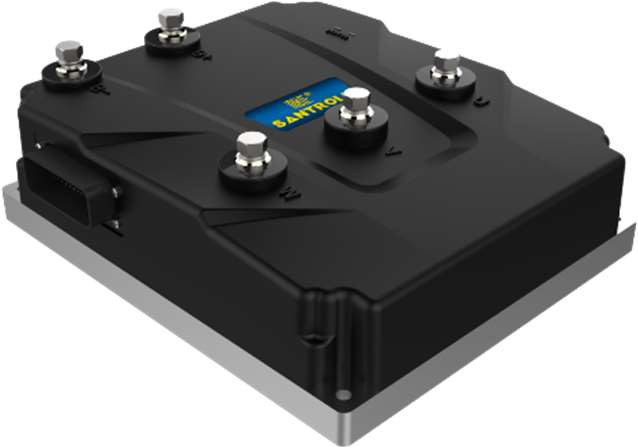
I ask this not to blame anyone. I ask because the answer hides in small technical choices: inverter tuning, torque control strategy, and the way we integrate power converters with sensors. I’ve seen setups that run fine — until they don’t — and I want to open that conversation. Let’s look closer at where the trouble really begins, and what to do next.
Why the usual fixes fall short (deep dive)
What’s really failing in classic systems?
I’ll be blunt: many traditional solutions promise stability but deliver brittleness. If you’re exploring a variable speed controller for ac motor, know this — vendors often tune for one load, one speed, one ideal world. Real life throws variable loads, voltage drops, and noisy sensors at the system. The result is hunting, poor torque response, and, yes, more downtime. I’ve fixed setups where the wrong PWM scheme and crude vector control caused jerky starts that wore gears faster. Look, it’s simpler than you think: mismatched control algorithms and inflexible hardware are the usual culprits.
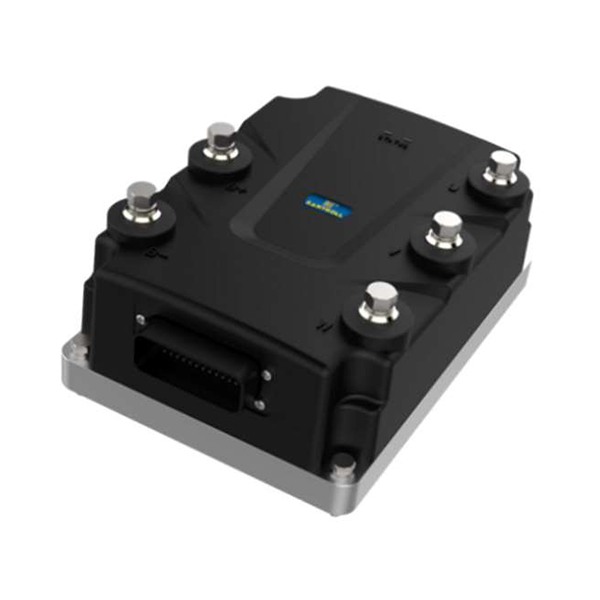
Beyond algorithms, there’s a human side. Maintenance teams struggle with cryptic fault codes and little diagnostic detail. They guess. They replace parts. Costs climb. I remember a site where technicians spent hours swapping encoders when the real issue was a transient on the power bus — a classic power quality problem. The fix? Better edge diagnostics, smarter fault logging, and a control strategy that adapts to real variations, not just textbook cases. These are not exotic ideas; they are practical design changes that reduce wear and save time — and I can show you examples where small investments cut failures by half.
New principles for future-ready controllers
What’s Next — practical tech that lasts
Now let’s move forward. I want to explain core principles that make an ac electric motor controller more resilient and easier to live with. First: adaptive control. Instead of fixed gains, controllers can auto-tune as load and supply change. Second: layered diagnostics — simple local logs plus summarized cloud alerts let teams act fast. Third: modular power stages so you can replace a converter module without rewiring the whole machine. These ideas reduce mean time to repair and improve consistency. — funny how that works, right?
We should also think about integration. Good controllers speak clear protocols. They provide meaningful metrics: thermal margin, torque reserve, trending of harmonics. When I design or choose systems, I look for clear instrumentation and easy access to firmware updates. It saves headaches. I’ve learned that a controller’s true value is not only peak performance but how it handles the messy bits between peaks: spikes, slips, slow drifts. That’s where reliable engineering shows up.
How to choose — three metrics I use
To end practical and helpful: here are three evaluation points I recommend when you compare controllers. First — diagnostic clarity: can the unit show root-cause hints and trend data? Second — adaptability: does it support adaptive control or at least flexible tuning (vector control, V/f, etc.)? Third — serviceability: are power modules and firmware easily replaced or updated? Use these criteria and you’ll avoid many surprise costs. Also, consider lifecycle support and clear documentation; they matter more than a shiny spec sheet.
I’ve worked on lines that improved output and morale after small controller upgrades. I care about practical wins, and so should you. For reliable hardware and sensible software, I often point teams toward solutions that marry good engineering with real-world diagnostics — like those from Santroll. They’re not magic, but they get the job done, and that’s worth a lot in the long run.