
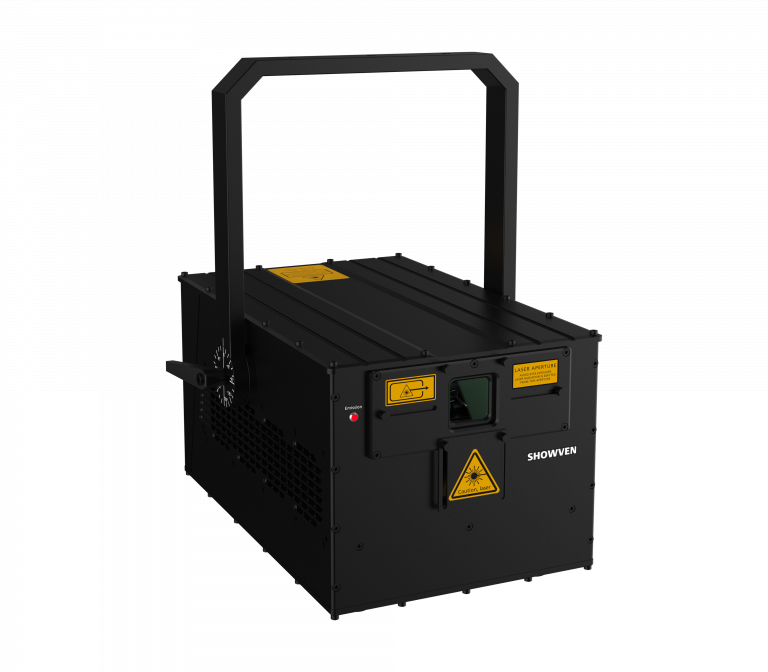
Introduction: When Hype Meets Haze
You’ve stood in a muddy field at 11 p.m., waiting for the drop, only for the light show to wobble off-beat and fade into the fog. Festival laser lights can turn a set into a memory—or a mess—depending on a few hidden details. At big outdoor shows, coastal rain, unstable power, and crowd safety zones force crews to choose speed over precision. Stats back it: even small latency spikes or poor beam divergence can dull the moment, and rain hits a lot of weekends here in winter. So, can smarter control, better waterproofing, and real-time feedback fix the chaos without killing the vibe? (Ja, it’s a big ask.) The real test is whether the system holds under wind, spray, and power dips—while staying safe—and still lands the cue.
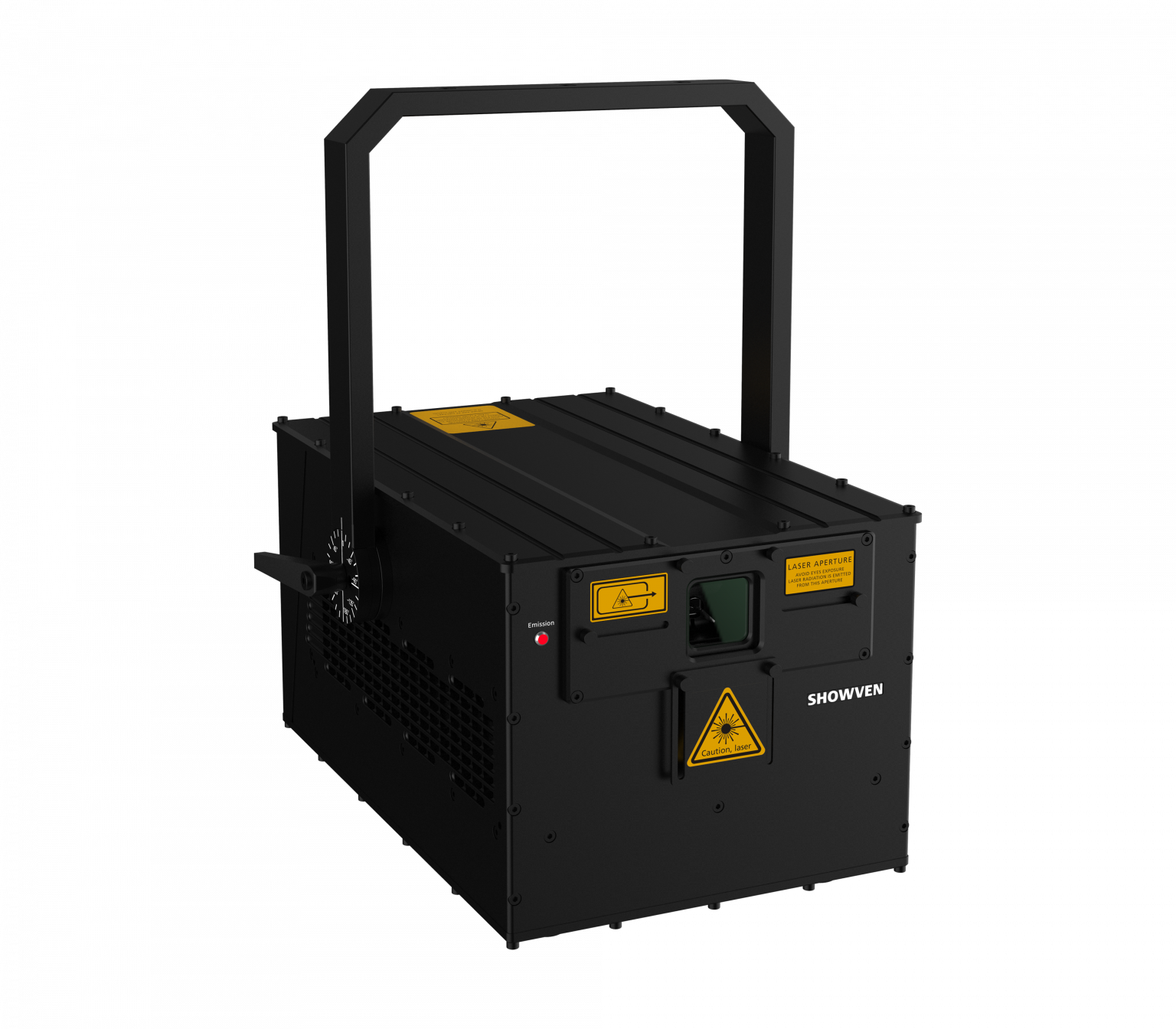
We’ll unpack what actually breaks, and then compare the new way to run lasers to the old one. Quick one—this is not about more watts only, bru. It’s about clean control, stable optics, and gear that shrugs off weather. On we go.
Hidden Pain Points the Crowd Never Sees
Where Do Shows Actually Break?
Here’s the technical part, nice and simple. Most rigs lean on a familiar stack: DMX512 for triggers, long cable runs, and a “set-and-pray” timeline. But event laser lights don’t fail because the beams aren’t bright. They fail because the system around them drifts. Beam divergence grows over distance, so patterns blur across a wide field. Optical galvanometers heat up and the scan rate sags. Old power converters cause micro flicker. And when controllers have no feedback loop, you get cues that look late, even when the clock is right. Look, it’s simpler than you think: if your control path is shaky, the crowd will feel it—even if your output is huge.
The pain hits the operators too. Mapping safe zones under pressure, with fog and wind, is rough without real-time limits and safety interlocks. Rain asks for proper IP65 sealing, but some housings only claim it on paper. Long DMX runs introduce delay, and without edge computing nodes near the fixtures, your vector frames arrive soft. Add a messy power grid, and heat sinks fight to keep diodes stable. The result? You see misalignment, dull color, and patterns that stutter right when the chorus hits. And the audience? They don’t know “scan compensation”—they just feel the drop miss by a half-beat.
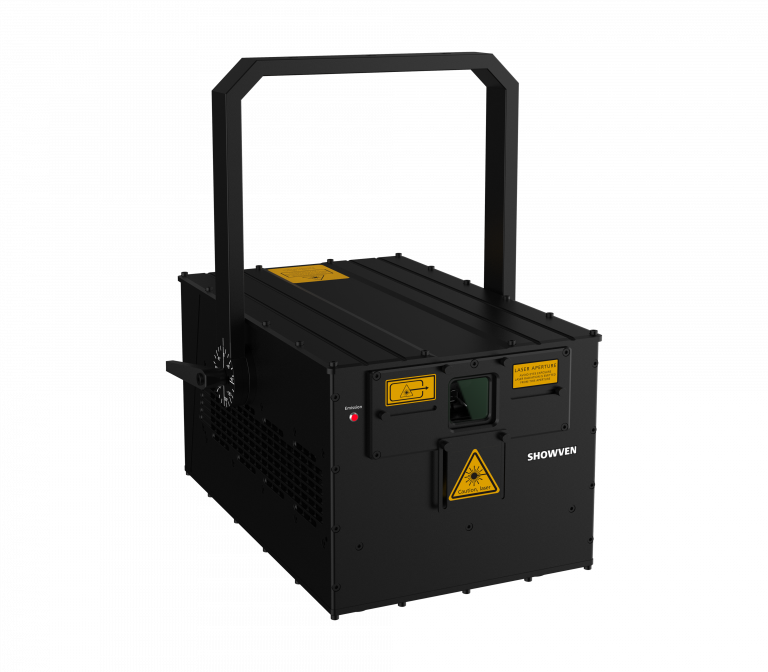
Comparative Insight: New Principles vs. Old Habits
What’s Next
Let’s look forward, not back. The newer model doesn’t only throw more output at the sky. It shifts the brain of the show closer to the head. Edge computing nodes sit in the fixtures, crunching vector paths and safety masks on-device. That kills transit delays and keeps timing tight. Protocols like Art-Net and sACN carry more data with less fuss than a dense DMX512 universe, especially when you need live geometry changes. Optical paths stabilize with better drivers and thermal control—thermistors, smarter fans, and proper heat sinks reduce drift. Active monitoring checks scan rate and beam shape, so patterns stay crisp across distance. And sealing is now real: gasket design, conformal coating on boards, and smart drainage—so a unit that claims IP65 actually behaves like one. That makes a credible case for true laser light waterproof performance on wet nights—funny how that works, right?
Water and movement are the true enemies, so the design focus changes pace. Safety interlocks and geo-limited masks ride inside the head, not just the controller. PWM dimming and improved drivers smooth color ramps, avoiding the “steppy” fades you see on cheaper kits. When power sags, resilient converters and better filtering hold the line. The upshot across a stage? Tighter cues, cleaner shapes, less operator stress—because the system self-corrects small drifts. Compared to the old “fire-and-forget” workflow, the new path builds a loop: sense, adjust, output. It’s not louder; it’s smarter—and boom, the crowd feels it. If you’re scoring what matters from earlier—control stability, optical consistency, and real weather readiness—this approach lifts all three without turning the rig into a science project.
To wrap it practically, here are three metrics to judge your next rig: 1) Weather resilience: verified IP rating, drainage design, and real board protection—not just a sticker. 2) Control integrity: low-latency path with Art-Net/sACN support, local processing, and tested safety interlocks. 3) Optical performance: consistent scan rate under heat, tight beam divergence, and drivers that don’t flicker under load. Choose on those, and the set stays sharp even when the wind changes. For more context and component-level thinking, see Showven Laser.