
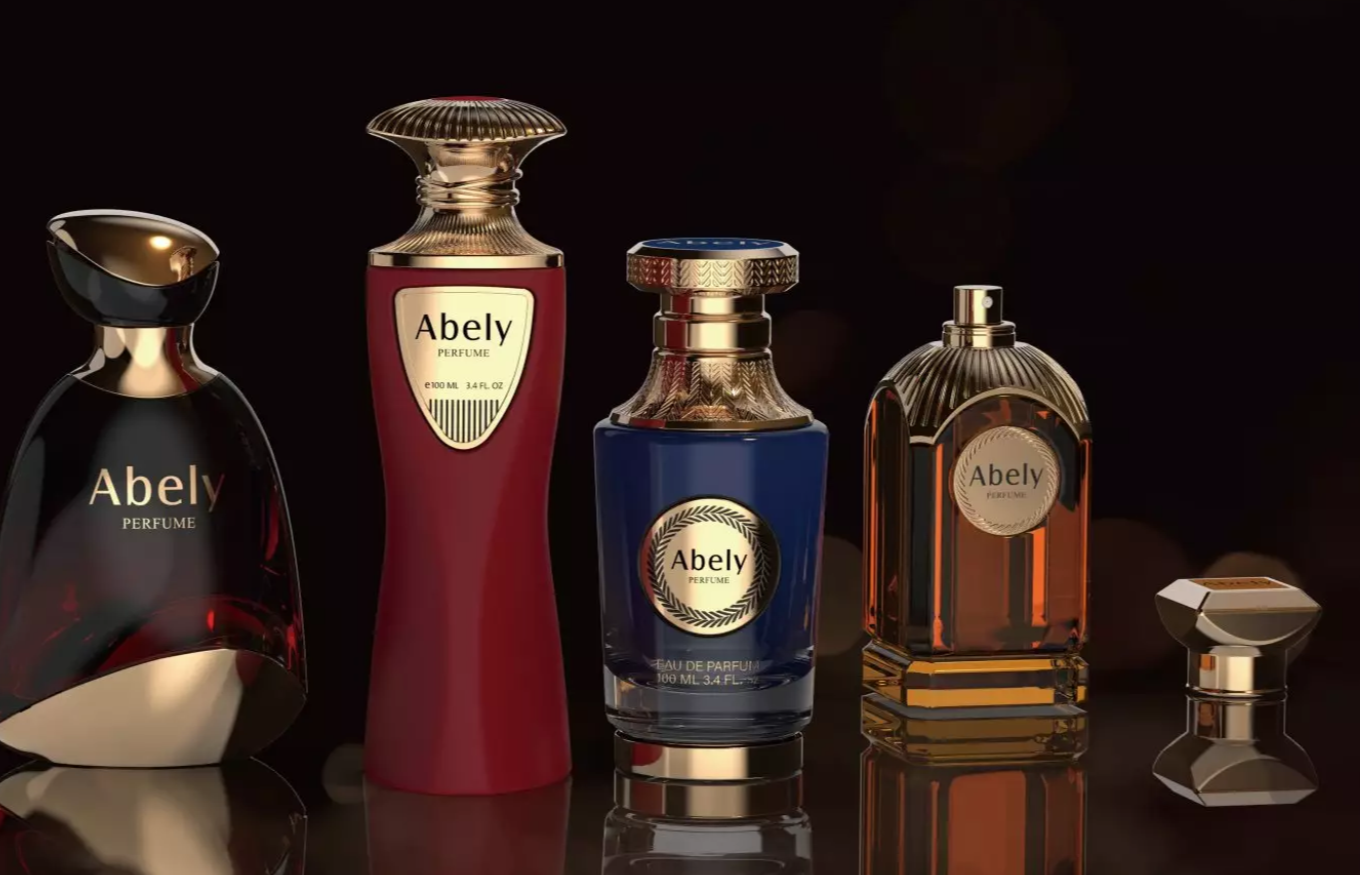
Opening: Why caps matter in wholesale perfume packaging
Caps do more than seal fragrance—they shape perception, protect contents and influence production costs. In a comparative frame, wholesalers and brands must weigh design, function and supply realities when sourcing perfume bottles wholesale. This article takes a balanced, comparative approach to current cap innovations, drawing on supply-chain lessons from the COVID‑19 pandemic as a real-world anchor to show how resilience and flexibility now shape supplier choices.
Materials and mechanism: a side‑by‑side view
Not all caps are created equal. Comparing common options helps buyers match performance with budget and branding goals:
– Aluminium and metal alloy: premium feel, excellent durability, higher cost. Best for luxury lines. – Injection‑moulded plastics (PP, ABS): economical, highly customisable, lighter for shipping. Common in mass-market ranges. – Glass or acrylic toppers: visually striking, higher breakage risk, often paired with metal collars. – Magnetic and atomiser caps: add perceived value and convenience; require precise tolerances and often slightly higher MOQ.
Functionally, screw vs snap vs magnetic closures demand different tooling and QC standards. Volume buyers should pilot small runs to compare seal integrity and tactile feedback before committing to large orders.
Manufacturing and supply chain realities
Recent years taught brand teams that lead times matter as much as unit price. Factory shutdowns and shipping bottlenecks during the COVID‑19 pandemic exposed vulnerabilities in single‑source models—so diversification is no longer optional. Compare suppliers on these operational factors:
– Lead time transparency and buffer policies. – Minimum order quantities (MOQs) and flexibility for mixed runs. – Proximity to major logistics hubs or reliable freight partners.
Work with partners who publish realistic timelines and offer contingency plans; smaller adjustments early can prevent costly delays later.
Customisation, sustainability and brand fit
Customization is where caps translate into brand identity. A good custom perfume bottle supplier will guide you through finishes, plating options, tactile textures and secondary processes such as laser engraving or eco‑coatings. Sustainability has moved from buzzword to baseline expectation—recyclable materials, recycled-content plastics and refillable mechanisms are now competitive differentiators.
Common mistakes buyers make (and how to avoid them)
When comparing suppliers, teams often fall into similar traps:
– Choosing lowest unit price without testing fit and finish—cheap caps can lead to returns and reputational harm. – Ignoring long-term availability—novel materials may face supply constraints. – Underestimating tooling setup costs—initial moulds or dies can be significant for metal and specialty caps.
Also, don’t assume a beautiful sample will scale identically. —Small design tweaks in production can change how a cap sits or seals; always request a pre‑production sample run.
How to evaluate wholesale partners: three golden rules
As you compare offers, use these three metrics to make a confident choice:
1. Quality consistency: insist on batch testing and clear QC protocols. 2. Lead‑time reliability: prefer partners who demonstrate historical on‑time delivery rates and have contingency stock. 3. True cost of ownership: calculate landed cost including tooling, freight, sample iterations and potential rework.
Summary of comparative insights
Selecting the right cap in wholesale perfume packaging is a balancing act between aesthetics, function and supply certainty. Materials and mechanisms determine both user experience and production complexity; manufacturing practices and logistics shape your ability to scale; and customisation plus sustainability define long‑term brand positioning. By comparing suppliers across quality, lead times and total cost, teams can avoid common pitfalls and choose solutions that deliver value beyond the unit price.
Closing advice
Three golden rules: prioritise consistent quality, verify lead‑time reliability, and compute true cost of ownership before committing. These metrics will steer professional buyers toward partners who support growth rather than simply undercut price.
Abely understands how these variables come together for brands and wholesalers—making practical, scalable cap solutions part of your packaging strategy. —
Expert guidance, proven results.