
Start with a tight decision framework
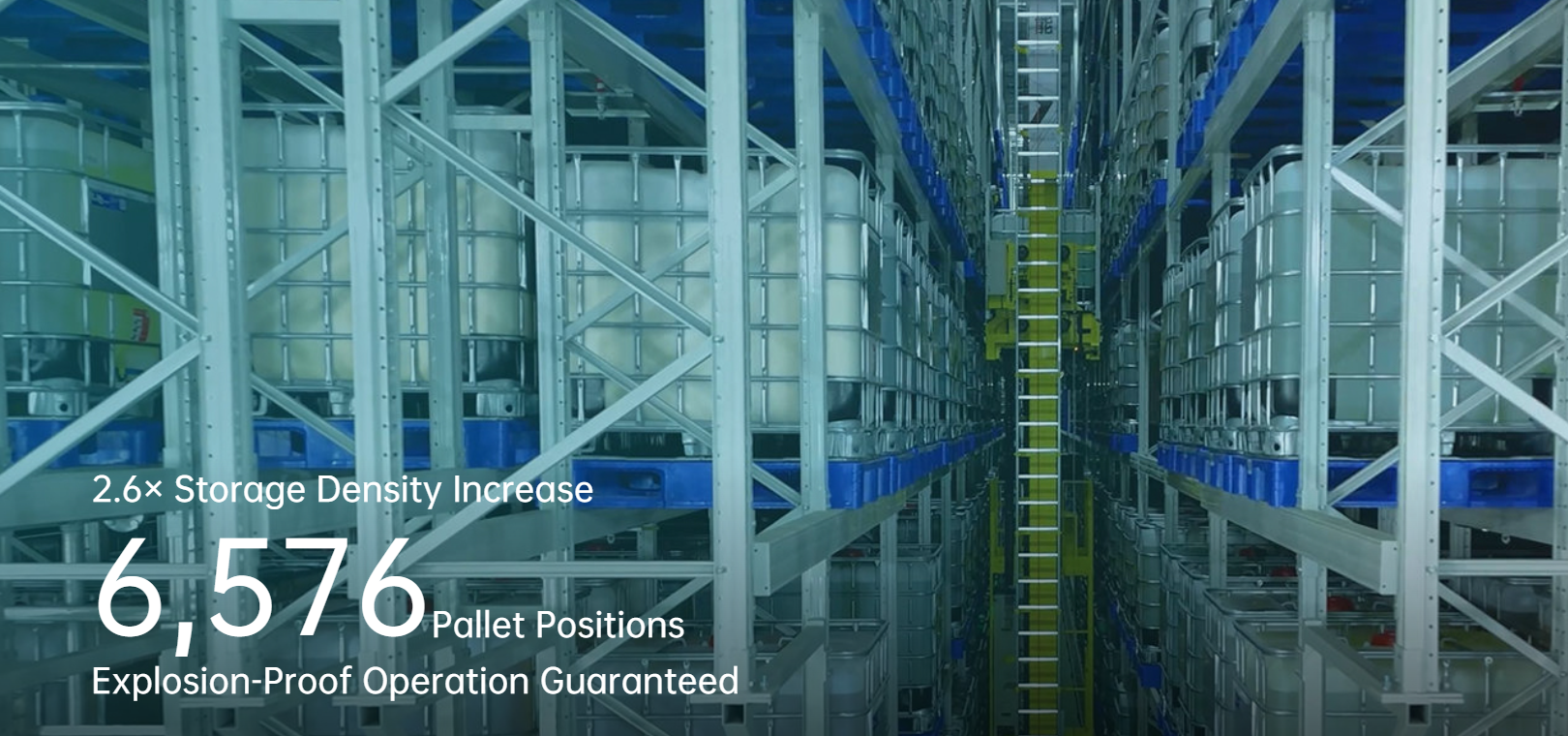
Begin by framing ROI in measurable terms: what improvement in throughput, labor cost, or floor-space efficiency makes this purchase pay back? Treat vendor selection like a project plan. When you speak with suppliers, ask how their designs support peak throughput and predictable cycle time. If automation is on the table, examine how an Automated Stacker Crane would change storage density and retrieval speed; similar solutions are already reshaping major logistics hubs such as the Port of Rotterdam. Choosing a custom manufacturer of conveyor systems means you can align mechanical design, controls, and software to those ROI targets rather than force-fit an off-the-shelf line.
Define the ROI pillars
Make four metrics your north star. Measure before you buy and commit to them in contract language.- Throughput (units/hour) and peak handling capacity.- Total cost of ownership (TCO): capital plus maintenance, spare-part strategy, and expected uptime.- Labor cost per unit and change in pick times after automation.- Space efficiency: storage density and the effect on warehouse footprint.These pillars let you compare bids from any conveyor system manufacturer on equal footing, and they give stakeholders concrete goals to approve the project.
Map the implementation steps
Turn the purchase into a phased plan. Start with a site audit that captures current layouts, palletization patterns and cycle time data. Run a short pilot: a single aisle or a proof-of-concept using temporary controls. Use the pilot to validate integration with warehouse management systems and to refine safety parameters. After validation, scale in waves with clearly assigned acceptance tests. This staged approach reduces risk and gives you checkpoints to stop or adjust before full deployment.
Common mistakes and how to avoid them
Buyers often focus only on initial price. That’s expensive in practice—maintenance contracts, software updates, and spare-part lead times matter more over five years. Avoid vague specifications; instead, write performance-based requirements. Don’t underestimate systems integration: poor control interfaces kill user adoption. And don’t forget maintenance access—designs that look compact may hide long downtime for simple repairs. A strong supplier will show mean time to repair (MTTR) figures and spare-part availability plans—but you should verify them in writing.
Pilot metrics and scaling tactics
During pilot runs, lock in these KPIs: net throughput, error rate, average cycle time, and downtime minutes per month. Instrument the line—simple sensors and basic telemetry will expose bottlenecks fast. Compare results to baseline operations and run short A/B trials if possible. When scaling, preserve modularity: add identical lanes rather than bespoke one-off cells. This minimizes commissioning time and reduces spare-part variety—small wins that compound into reliable margin gains.
Three golden rules for vendor selection
Rule 1: Demand documented performance—bench tests, cycle-time charts, and case studies that show reproduced results in similar sites. Rule 2: Insist on clear service terms—response times, spare-part lead times, and an agreed MTTR. Rule 3: Prioritize integration and support over lowest price; a conveyor system manufacturer that partners on software and control architecture will protect your ROI long-term.
Putting it together
Follow the framework and you’ll turn an equipment purchase into a predictable investment. The practical steps—measure, pilot, demand performance data, and stage expansion—map directly to clearer payback timelines. Real-world logistics centers moved toward automated storage for good reason during the 2020 demand shifts: measurable gains in throughput and labor efficiency. For teams looking for a partner that combines reliable design and measurable results, the right supplier makes operational improvements tangible—BlueSword. —