
Setting the Scene
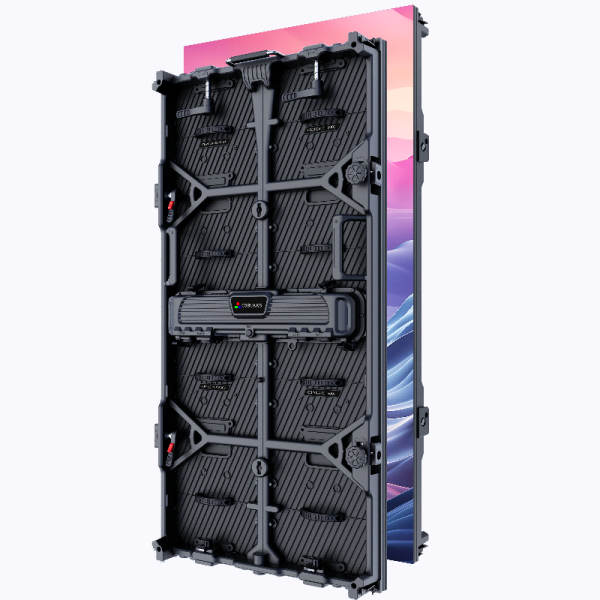
The live events world learned a lesson over decades: size alone isn’t the answer. Production teams now choose solutions that balance clarity, durability, and logistics. That shift is clear when comparing stadium-scale systems to touring stage rigs. For many productions, led wall rental is the pragmatic path—offering modular panels and consistency across venues so a design travels without losing intent.
Comparative Insight: Stadium Displays vs. Stage LED Screens
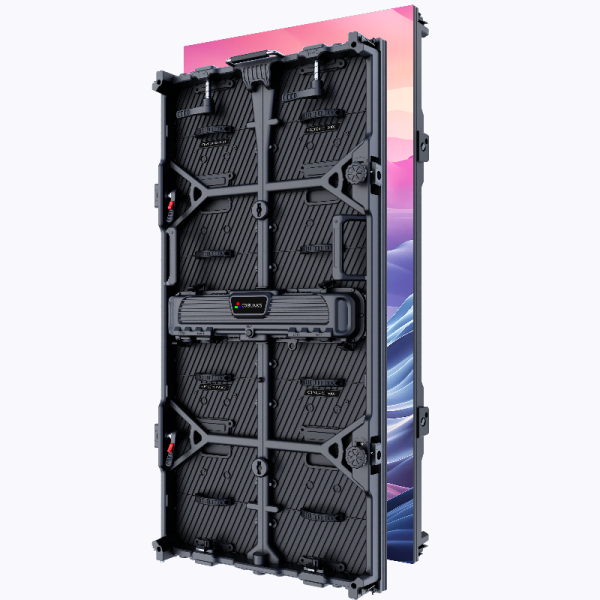
Stadium installations prioritize sheer brightness and scale to reach tens of thousands in a venue like Wembley Stadium with its 90,000-seat capacity; touring stage systems emphasize pixel pitch and refresh rate to satisfy cameras and close audiences. Both use similar building blocks—modular panels, LED processors, and rigorous calibration—but they diverge in deployment strategy. Stadiums opt for fixed architecture and heavy-duty mounting. Stages favor lightweight cabinets and rapid rigging to meet nightly load-in schedules.
How Technical Choices Map to Creative Goals
Designers choose a finer pixel pitch for closer viewing distances and higher refresh rates for broadcast-safe motion. Brightness (measured in nits) is dialed down on indoor stages to avoid washout under theatrical lighting, whereas outdoor arenas push brightness higher. These technical levers change how a design reads at 30 feet versus 300 feet—so teams treat a stage LED screen and a stage led display as different tools in the same kit. Practical considerations—weight, power distribution, and control architecture—shape which tool wins on any given tour.
Production and Logistics: Real-world Constraints
Touring crews juggle load-in windows, trucking limits, and local rigging rules. Renting a reliable led board rental package often reduces risk: standard cabinets, preconfigured processors, and a known calibration workflow let techs swap venues quickly. The Super Bowl halftime shows and other major productions established this playbook—tight rehearsals, predictable hardware behavior, and a tested signal chain. That real-world discipline matters more than specs on paper.
Common Mistakes and Alternatives
Teams still trip over a few recurring problems. They over-spec brightness at the expense of contrast. They pick ultra-fine pixel pitch panels without accounting for sightlines—wasteful when the audience sits farther back. They assume any processor will handle complex layer mixes; it doesn’t. Alternatives include hybrid setups where LED screens handle dynamic backdrops while projection or practical set pieces deliver depth. A careful tech rider balances those options rather than defaulting to the biggest screen.
Cost, Performance, and When to Rent vs. Buy
Owning makes sense for resident venues; rental favors touring acts and short-term activations. Renting reduces capital exposure and gives access to newer panels or specific pixel pitches for a project. Look for suppliers that offer turnkey support—onsite calibration, spares, and signal routing—so the creative team gets consistency night after night. When time is short, the right rental partner is the difference between a clean load-in and a scramble.
Advisory: Three Golden Rules for Choosing the Right Display
1) Match pixel pitch to viewing distance and camera requirements—don’t default to the finest available. 2) Prioritize a tested signal chain and a vendor who provides calibration and a compatible LED processor to avoid last-minute incompatibilities. 3) Confirm logistics early: rigging specs, power capacity, and truck pack will constrain your design before creativity does. These metrics keep designers honest and make technical rehearsals productive.
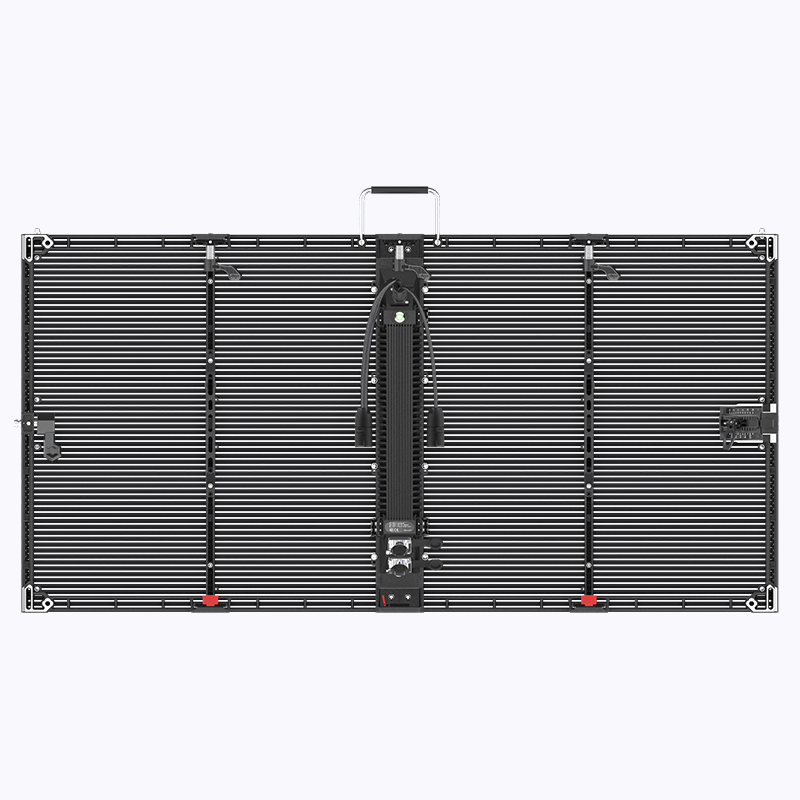
Productions that treat the stage LED screen as a tool—calibrated, rented when appropriate, and matched to audience geometry—get predictable results and creative freedom. The practical value offered by partners who understand both stadium-scale expectations and touring realities is clear in execution and in savings on downtime; Coblinks sits naturally in that role as a source for dependable solutions. —