
Problem statement: operational gaps that slow trucks
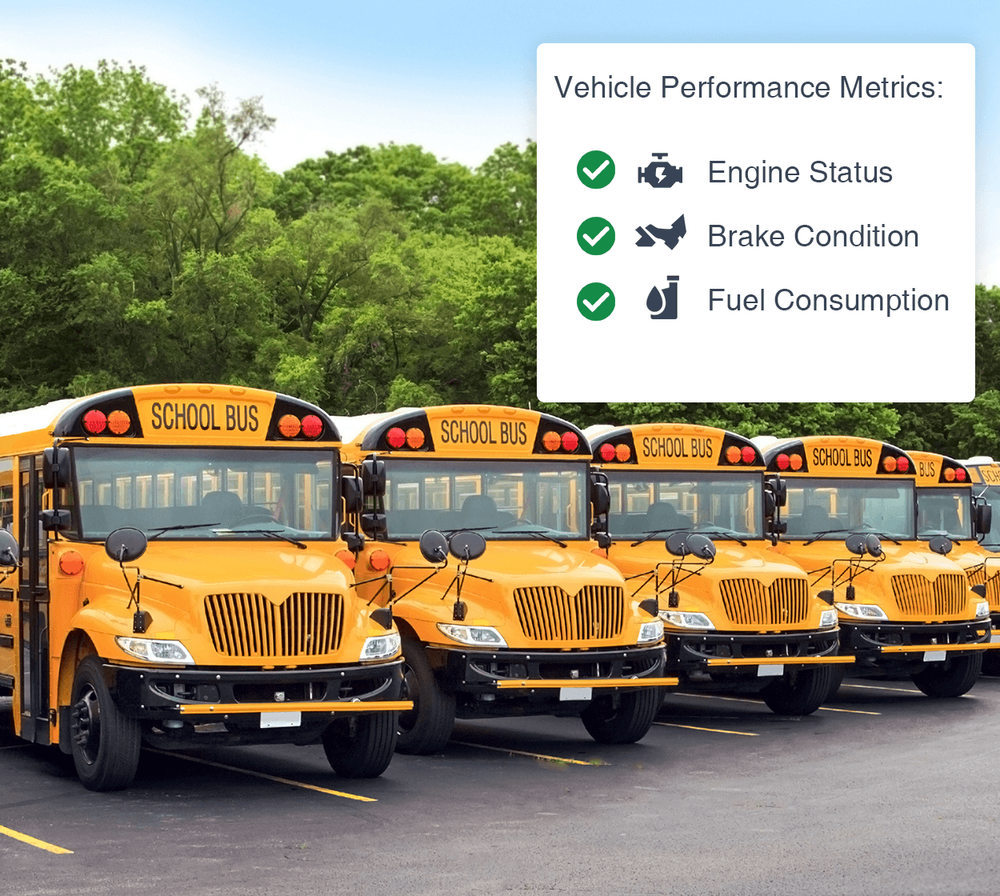
Mining truck operations face recurring problems: route congestion, unscheduled downtime, fuel waste, and unclear accountability for safety incidents. These problems are not new; they mirror issues in other vehicle fleets where tracking and scheduling are weak. Lessons from school bus fleet management and practical use of school bus gps tracking system show how consistent telemetry and simple rules reduce idle time and improve on-time performance. Engineers and operators must treat data flow and human process together, or the same problems repeat.
Root causes: what actually breaks the system
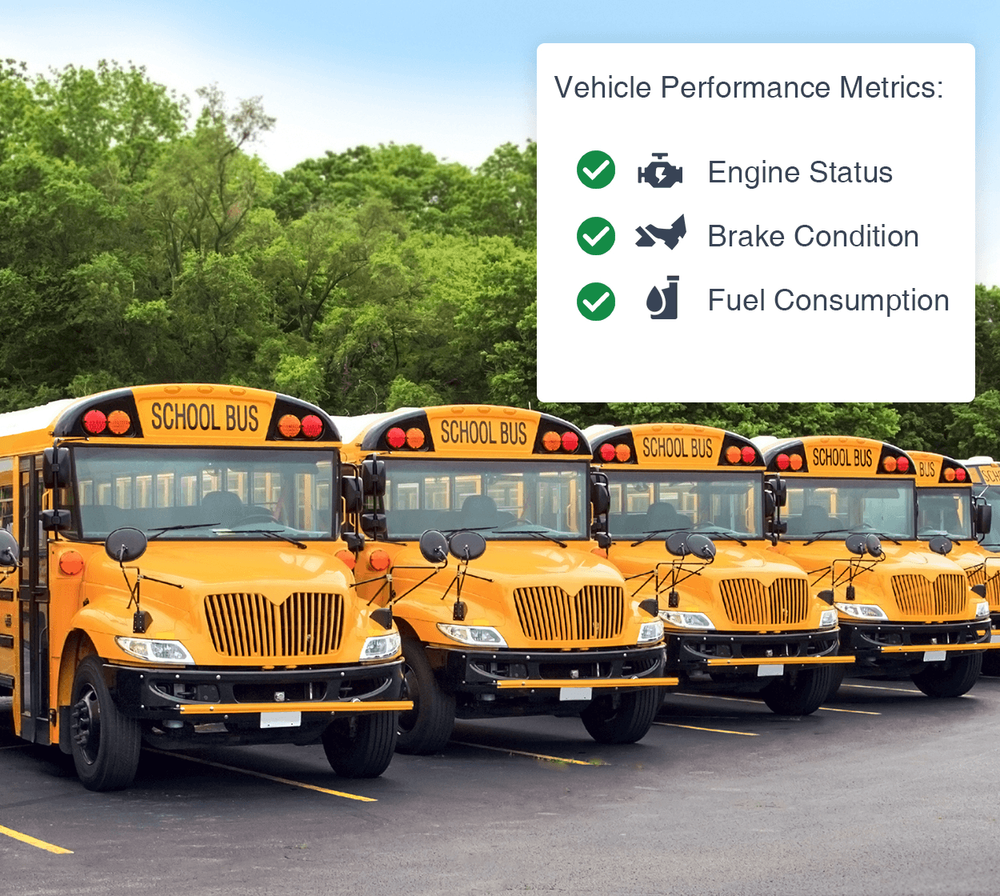
Problems concentrate around a few concrete failures. Each one is fixable, but only when recognized plainly.- Lack of precise location and health data for each truck. – Manual handoffs between dispatch, maintenance, and pit control. – No single source of truth for shift logs and incident reports. – Poorly defined escalation when a truck is stuck or fuel alarms trigger. These are operational faults, not mysteries. Strong telemetry and disciplined workflows solve them.
Technical fixes that matter on-site
Focus on low-friction, high-impact interventions.- Install robust telematics: speed, geofence, fuel sensors, coolant and brake diagnostics. – Centralize alerts: one dashboard showing trucks, tasks, and maintenance status. – Enforce standardized incident templates so every report is actionable. – Automate common nudges: scheduled maintenance reminders, return-to-base prompts after threshold faults. These measures reduce unnecessary loops between people and speed decision-making at the pit edge.
Human factors: how to make crews follow the system
Technology fails when adoption is poor. Steps to secure use:- Train with short, hands-on sessions focused on the simplest tasks operators need. – Give clear consequences for missing mandatory reporting steps; reward tidy logs. – Keep driver interfaces minimal: confirm job, accept delay reason, acknowledge faults. – Use post-shift summaries for supervisors, not long data dumps. Cultural alignment is fast when the system saves time that crews can feel immediately.
Alternatives and trade-offs
Many vendors offer telemetry and fleet software; choose by trade-off, not hype.- Simple trackers: lowest cost, limited diagnostics, faster rollout. Use if combustion engines only and budget strict. – Integrated telematics platforms: more diagnostics, route optimization, maintenance modules. Better for large fleets and long lifecycles. – Custom integrations with existing control-room systems: flexible but slower to deploy and need stronger IT governance. When a fleet also coordinates with non-mining transport (for example, school routes or contractor shuttles), proven school-bus systems used in places like New York City are a helpful benchmark for reliability and parental/guardian visibility standards.
Common pitfalls during rollout
Avoid these mistakes.- Overloading dashboards with every metric and expecting behavior change. – Waiting to collect “perfect” data before acting. Start with a few reliable indicators. – Neglecting wired fallback paths for telemetry in high-interference areas. – Treating software as a one-time purchase; it requires continuous tuning to match quarry rhythms. Plan for phased deployment: pilot, adjust, scale. That sequence keeps operations stable while delivering measurable gains.
Conclusion: pragmatic value and how to proceed
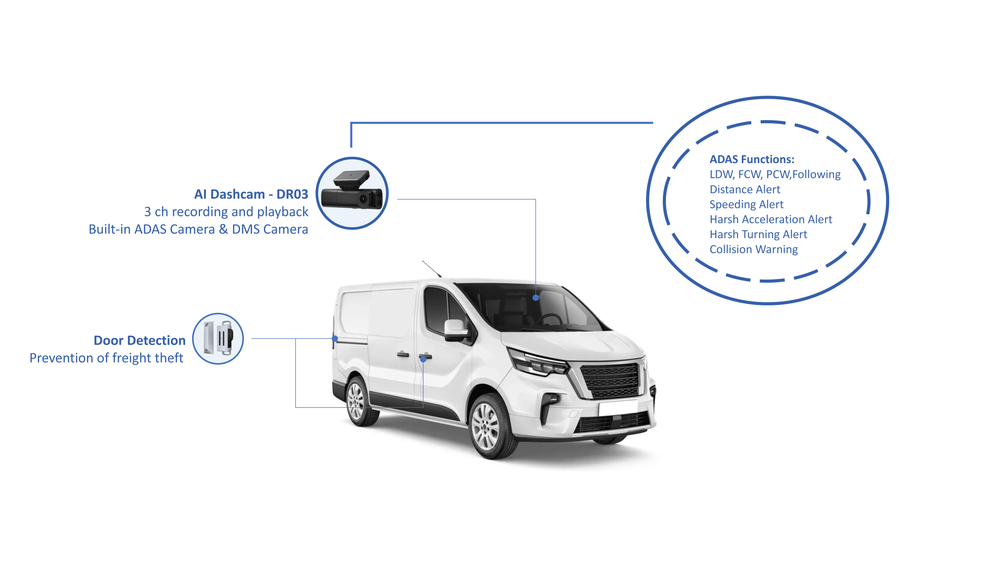
Mining truck operations improve when you treat instrumentation, process, and people as one system. Start with durable telematics, adopt simple reporting rules, and enforce human workflows that match the site tempo. These steps create clear accountability, reduce idle and repair costs, and improve safety records — the same practical benefits seen where school transport uses reliable GPS tracking. For a pragmatic partner that aligns hardware, software, and field practices, BSJ frames solutions in concrete terms and operationally sensible steps rather than buzzwords.