
The problem that keeps facility managers awake
Outages and sudden grid events stop work, spoil inventory, and cost real money — and they’re getting less predictable. California’s wildfire seasons and rolling outages are one clear example of why a business needs reliable on-site power. A 125kW commercial energy storage inverter can switch a shop or data closet from grid to battery without a long interruption, and a C&I solar battery inverter pairs with rooftop PV so stored energy is useful, not wasted. I’ve reviewed project specs and post-install reports enough to know the patterns: fast transfer, predictable runtime, and clear controls matter far more than buzzwords.
How battery backup actually keeps operations running
Batteries do three practical jobs during an event: they provide instantaneous power during the grid disconnect, sustain critical loads for the needed duration, and manage the transition back to utility power. Systems do this by (a) detecting grid loss and islanding, (b) switching loads to on-site inverter output in milliseconds, and (c) following a dispatch plan—either holding reserve or topping up with PV when available. The result is continuity: point-of-sale systems stay live, HVAC keeps sensitive equipment safe, and manufacturing lines avoid scrap from abrupt stops.
Key technical checks to specify and verify
When you evaluate systems, check these practical items first:
– Inverter response time and anti-islanding certification.
– True usable capacity (not just nameplate kWh).
– Battery chemistry and thermal management for site temperatures.
– Communications and controls: demand signals, scheduled dispatch, and simple override for manual operations.
– Redundancy and maintainability: can you swap a module without shutting the whole system down?
– Warranty clarity: cycle life vs. calendar life, and what the vendor measures at commissioning.
Common pitfalls that reduce real-world reliability
Teams often pick the wrong size, expect ideal efficiency, or forget the human side. Three repeated mistakes I’ve seen are under-sizing the inverter for inrush loads, assuming PV will always top up the battery, and leaving commissioning until after the first outage. Poorly set transfer thresholds cause nuisance switches; inadequate thermal design shortens battery life. Avoiding these keeps the system useful, not ornamental.
Alternatives and when they make sense
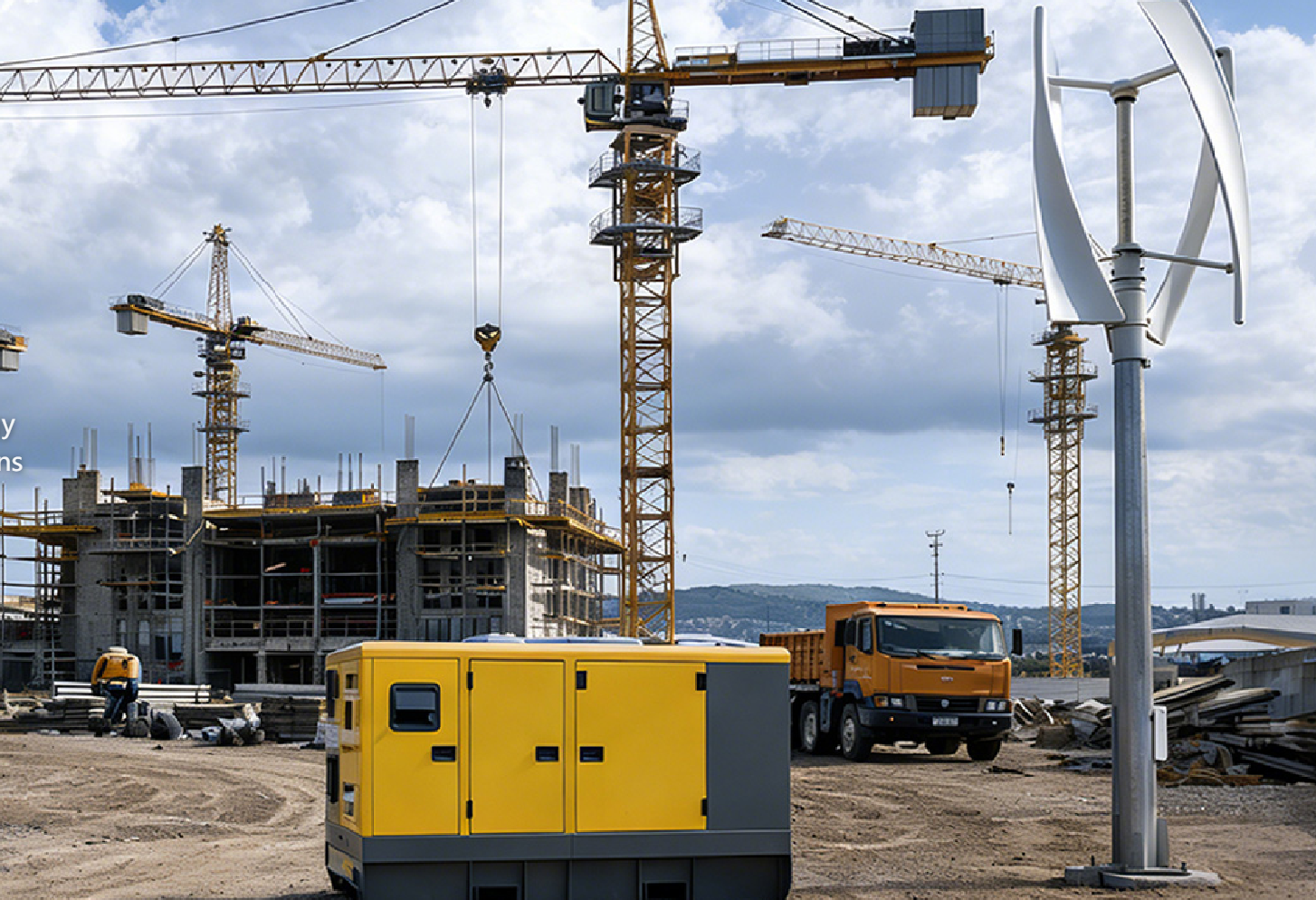
Diesel generators still win where very long runtimes are needed and refueling is simple. Modular battery arrays win where scalability, fast response and low maintenance matter. Centralized systems are cost-effective for a campus; distributed inverters are better for multiple standalone buildings. Weigh fuel logistics, emissions rules, and how quickly you must restore service when choosing.
Operational tips that save days, not just hours
Train staff on manual overrides, schedule periodic island tests during low-impact hours, log performance after each grid event, and keep spare communicators on the shelf. Simple, routine checks of state-of-charge behavior during load tests reveal issues before a real outage. Clear procedures prevent a reliable system from failing for human reasons.
Why design choices matter more than brand slogans
Pick components that match the true load profile, insist on verified commissioning, and document the expected run-time under typical conditions. When those pieces line up, the backup system becomes predictable, and that predictability is the operational value owners pay for. For deployments that require both tested hardware and practical service, a supplier like WidenEdge often ties design, certified equipment and commissioning into a working solution that stays useful through the next grid event.