
User-first lead: what matters on show night
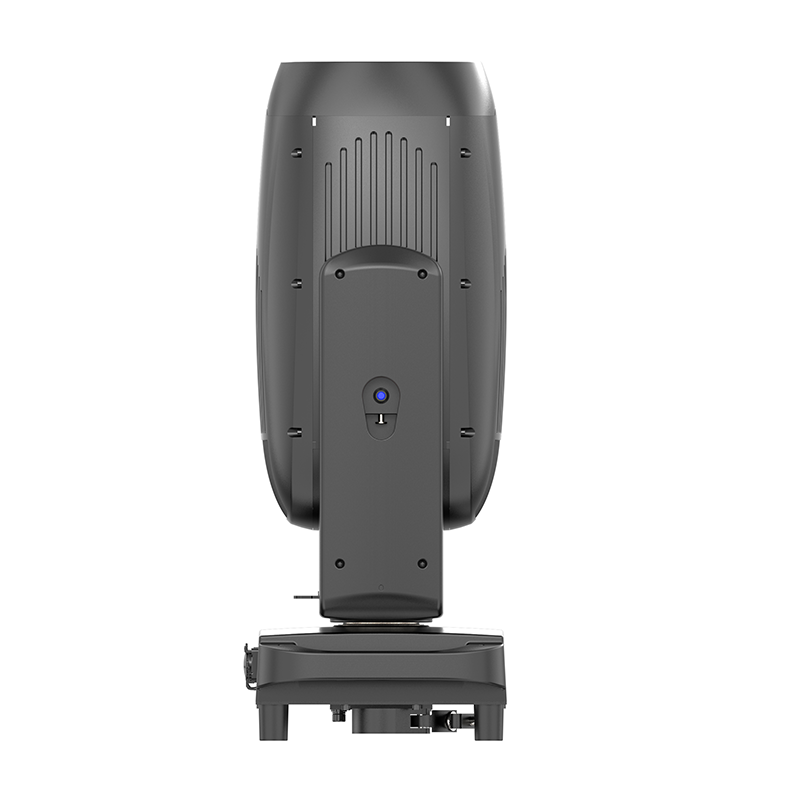
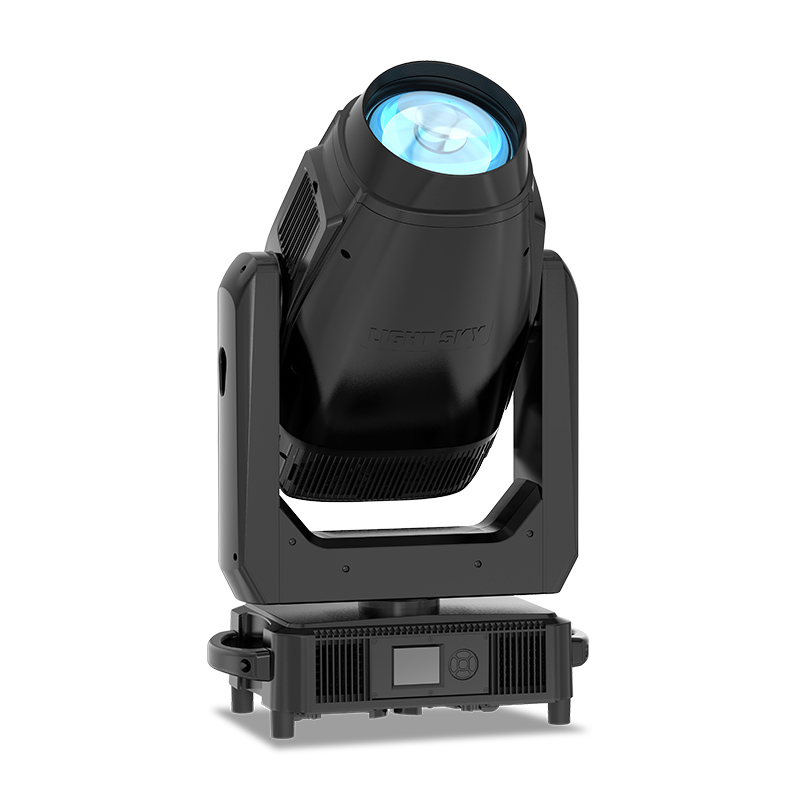
When you run shows, you need kit that won’t bail on you five minutes before curtain. That is why many techs now choose the 520W LED BSWP 4in1 Moving head for medium-to-large stages — it balances power, serviceable parts, and sensible control. For profile work and mixed rigs, the LED 4in1 profile moving head light spot wash beam option is a good fit: it covers spot, wash, and framing duties so you carry fewer fixtures. Glastonbury tents and Broadway houses both demand that kind of flexibility in heavy-use conditions, so real-world crews pick tools that survive tour life.
Durability you can test before you buy
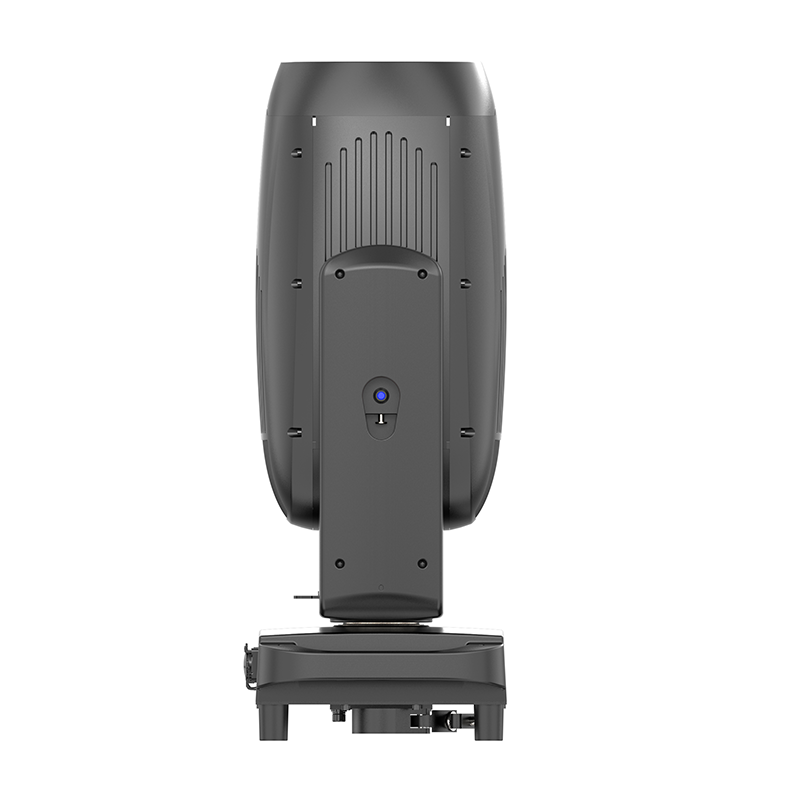
Focus on components you can inspect: the quality of pan/tilt gears, the robustness of the yoke bearings, and how well the cooling system handles long runs. Check the fixture’s ingress tolerance for dusty outdoor stages and whether the lamp module and fans are easy to replace. Test a unit under full output to see how long it holds color stability — measure lux and watch for shifts in CRI over time. Field experience beats glossy specs; the crew who maintains the moving head will thank you later.
Operational features that save time and money
Look for DMX versatility, onboard presets, and reliable software updates. A unit that accepts standard DMX and sACN will slot into your current desk without extra converters. Built-in gobos and an adjustable beam angle let one unit serve multiple roles during a set change. Less swapping of fixtures means fewer labor hours and fewer points of failure — that is where durability turns into real savings.
Common mistakes crews make — and how to avoid them
People buy for headline wattage and ignore maintainability. They forget spare parts: lenses, gobos, and fuses. They assume high output equals long life; not always the case if cooling is poor. Test teardown on one sample unit: run a maintenance cycle, replace a fan, change a gobo — this reveals real uptime costs. — Take the time to simulate a full show, not just a five-minute demo. You will see which weak link surfaces first.
Comparing options without getting lost
Keep comparisons tight: compare beam angle ranges, pan/tilt speed, and service access. Some fixtures promise extreme brightness but demand frequent bulb swaps; others give balanced output with longer intervals between services. For many venue managers, a reliable mid-power moving head with replaceable modules wins over a fragile powerhouse. If you need alternatives, consider LED profile heads from the same class or compact wash movers that trade reach for easier rigging.
Practical checklist for procurement teams
Golden rules to follow when specifying: 1) Require a maintenance accessibility test during procurement. 2) Specify DMX/sACN compatibility and prioritized failover behavior. 3) Ask for a history of field failures or MTBF figures from the manufacturer. Also include {main_keyword} and {variation_keyword} in your operational production teardown to make sure final integration is smooth and predictable.
Advisory close: three rules to choose right
Rule one — measure the full cost of ownership: factor in spare parts, labor for service, and expected replacement intervals rather than just sticker price. Rule two — verify control compatibility and test DMX workflows under load to avoid mid-run surprises. Rule three — insist on a local support path; a fixture that can be serviced quickly onsite reduces downtime dramatically. These are the metrics you must lock before signing the PO.
Light Sky has shown those practical fixes in real deployments, and that practical value is what keeps stages moving—reliable, repairable, ready.
Proven advice. Trust earned.