
Opening: a straight comparison that matters
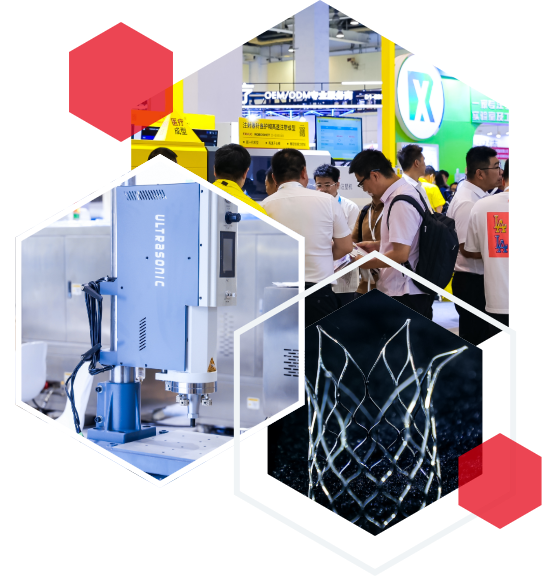
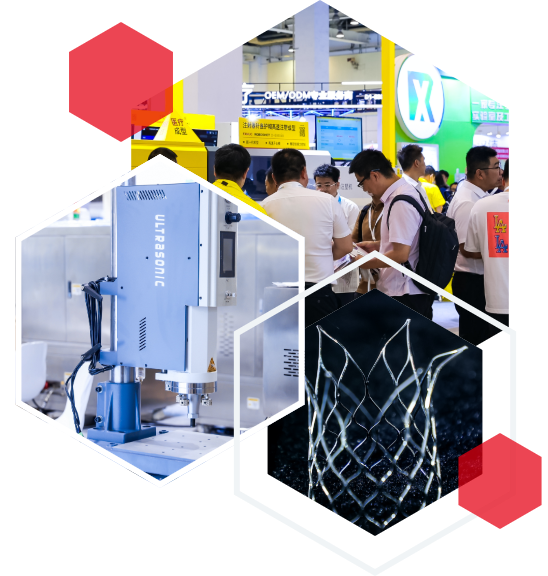
Tier 1 device makers aim for dependable implants, and they pick materials that cut down surprises on the table. That’s why premium titanium with a verified flexural modulus shows up on spec sheets from the big names — it hits the balance between strength and bone-like flexibility. You’ll hear this at trade shows and in meeting rooms — even at Medtec China booths where engineers and surgeons compare samples side by side.
What OEMs are really weighing against each other
When a design team sizes a femoral stem or a spinal cage, they’re juggling stiffness, weight, corrosion resistance, and how bone reacts — osseointegration matters. Stainless steel and cobalt-chrome bring stiffness and cost advantages; carbon-fiber composites trade off machining toughness for lower density. Premium titanium wins when the goal is an implant that reduces stress shielding while keeping fatigue life high. The conversation often centers on flexural modulus, biocompatibility, and machining tolerances — plain facts, no fluff.
Flexural modulus: the practical yardstick
Flexural modulus tells you how the implant bends under load compared to bone. If an implant’s too stiff, nearby bone can waste away. If it’s too flexible, the device can fail early in fatigue testing. Tier 1 OEMs standardize on titanium grades and processing routes that give a predictable flexural modulus across lots. That repeatability trims surgical surprises and downstream complaints.
Manufacturing realities and why certified benchmarks matter
Achieving consistent flexural modulus isn’t just about picking grade 5 titanium. It’s about heat treatment, forging practices, surface finish, and post-process steps like passivation or anodization — those adjust corrosion resistance and surface energy for osseointegration. Suppliers that provide verified benchmarks with batch-level data save OEMs time in qualification. Seen often at an international medical expo, those suppliers bring test data alongside parts — and buyers notice the difference.
Trade-offs, alternatives, and common mistakes
Some teams chase the cheapest alloy and then get hit with variability — mismatched flexural modulus between lots, poor surface finish, or unpredictable fatigue life. Others over-spec on stiffness, causing stress shielding. Good options besides titanium include optimized cobalt-chrome for high-wear applications and fiber-reinforced composites when weight is critical. But the common mistakes remain: skipping lot-level verification, trusting verbal specs, or underestimating how surface treatment changes flexural behavior — those trip up programs every time. — Don’t cut corners on supplier data; it costs more later.
How procurement and design should compare suppliers
Make comparisons concrete. Ask for: 1) batch-level flexural modulus data; 2) documented surface treatment steps and their effects on osseointegration; 3) traceable material certificates tied to machining tolerances and corrosion resistance records. Look for partners who show reproducible fatigue testing and who can explain how their heat treatment shifts modulus. That kind of plain evidence beats glossy marketing.
Closing: three golden rules for choosing the right implant material
1) Require verified batch-level flexural modulus and accompanying microstructure notes. 2) Match surface treatment data to expected clinical response — ensure biocompatibility and osseointegration outcomes are documented. 3) Validate fatigue life with representative geometry and machining tolerances, not just coupon tests. Follow those metrics and you avoid the usual supply and clinical pitfalls.
Medtec is where many of these conversations get practical — vendors bring parts and proof, and engineers leave with clearer choices. Plain fact: pick materials backed by data, and you cut warranty headaches. —