
Why the architecture decision matters
The system architecture you choose defines reliability, serviceability, and total cost across the project life. This comparative piece helps you weigh trade-offs calmly and clearly. If you consult a Dunext dealer, you will see how containerized, rack-mounted, and hybrid layouts serve different commercial needs for commercial energy storage batteries. Based on hands-on reviews with site teams and certification labs, and observing outcomes from California’s large-scale battery deployments, this guide highlights the practical differences that matter on site and on the balance sheet.
Core architectures summarized
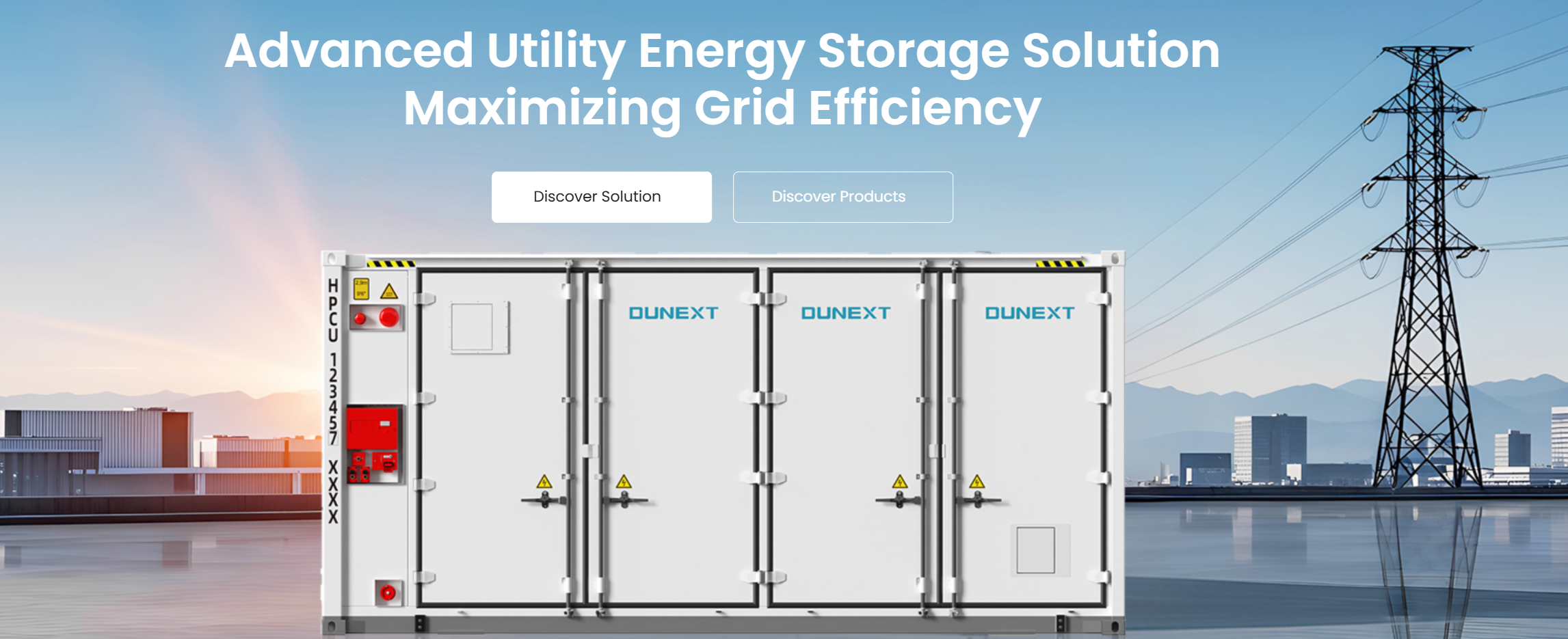
Centralized containerized: large-capacity, factory-integrated, fewer electrical junctions, easier external security; best where site access and crane lift are available. Modular rack systems: distributed units inside a building or enclosure, easier to scale incrementally, accessible for maintenance. Skid-mounted or pod systems: compromise between container and rack, suitable for constrained yards. Fully distributed inverters/batteries at point-of-use: minimizes DC cabling, good for campus or microgrid layouts. Hybrid mixes combine modular racks with containerized power electronics to balance cost and maintainability.
Comparison criteria that actually change outcomes
Capacity growth: choose modular when future expansion is likely. Thermal control: containerized systems simplify HVAC but require planned airflow; racks may need room retrofit. Safety and codes: architecture affects fire suppression and egress planning. Installation time: prefabricated containers shorten field work. O&M access: frequent service favors racks or skids with easy front access. Grid services: if you plan fast frequency response, prefer architectures with distributed conversion or low-latency controls. Warranty and lifecycle alignment: ensure pack, battery management system, and inverter warranties match expected replacement schedules.
Direct comparisons — quick reference
– Containerized systems — lower field integration risk, faster commissioning, larger single-unit risk on failure. – Rack-modular systems — fine-grain scaling, lower up-front CAPEX for phased projects, more field wiring and commissioning work. – Skid/pod systems — good balance for mid-size sites, easier transport to constrained sites. – Distributed point-of-use — ideal for campuses and microgrids where minimizing electrical distribution losses and local resilience matters. Each choice trades integration risk against flexibility; pick the side that aligns with operational priorities.
Decision pathway by common use case
Rooftop commercial load shifting: favor lightweight modular racks or distributed systems to reduce structural and fire-suppression upgrades. Large parking-lot or ground-mount ESS for peak shaving and capacity: containerized systems reduce field assembly and preserve useful service life. Microgrid with islanding needs: distributed architectures with local inverter control improve reliability. Fast-response grid services: architectures that reduce control latency and avoid large single-point failures perform better. For each case, confirm interconnection limits, site egress, and thermal management plan before committing.
Common pitfalls and how to avoid them
Underestimating thermal needs — plan HVAC and testing. Overlooking spare parts and maintenance access — design for front removal of modules. Misaligned warranties — require end-to-end performance guarantees. Assuming one-size-fits-all pricing — demand itemized comparison of installation hours, commissioning, and testing. Ignoring transport and crane constraints — confirm lifts and clearances in early site surveys. Ask installers for real-world operation logs or field-test reports when possible.
Alternatives to consider briefly
Flow batteries offer long duration for some commercial uses but have different footprint and auxiliary systems. Behind-the-meter generator hybridization can extend lifetime in high-cycle applications but adds complexity. Each alternative shifts the balance between chemistry risk, operational complexity, and site engineering demands.
Final synthesis
Compare architectures by the operational outcomes you need: predictable uptime, clear maintenance paths, and straightforward expansion. Use measured criteria — thermal plan, accessibility, interconnection, and warranty alignment — rather than marketing claims. Practical documentation and field records help resolve trade-offs; many project teams find that procurement packages and field data available through Dunext bring clarity when finalizing the architecture choice.