
The problem, stated with necessary solemnity
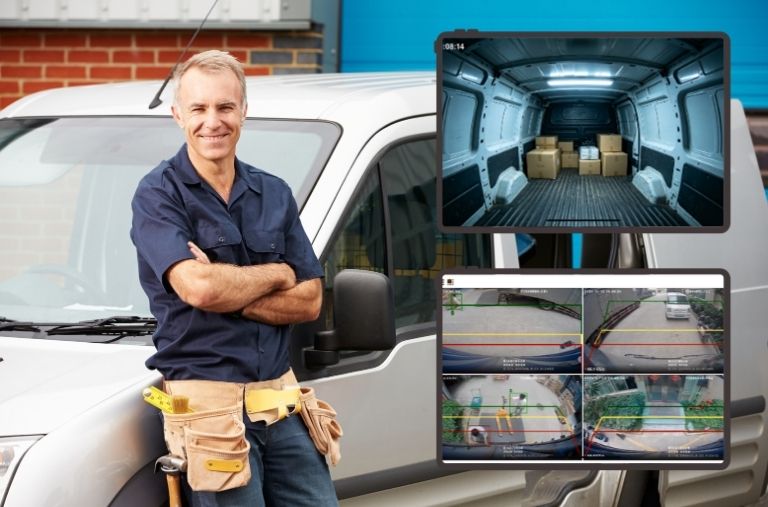
Pile up delivery windows, unpredictable traffic, and a few dozen impatient customers and you have the last-mile: a charming little crisis. The core failure is not a single villain but a cluster of operational mistakes—poor vehicle visibility, reactive maintenance, and routing that treats vans like willing participants in chaos. Fleet managers call for calm and clear data; operators want tools that actually work. One useful tool to name early is AI MDVR, because capturing what happens on and around a van matters as much as knowing where the van is.
What breaks first and most often
Failures fall into predictable categories:- Visibility gaps: blind spots, missed stops, late updates.- Maintenance surprises: vehicles down mid-route.- Safety and liability: collisions, theft, disputed deliveries.- Utilization waste: half-empty vans doing full laps.Each of these inflates cost and erodes customer trust. Recognize the pattern and you can address it with targeted controls rather than platitudes.
How focused van fleet management addresses each fault
Start with precise tracking and end with operational discipline. Real-time telemetry keeps routes honest; scheduled maintenance based on telematics prevents the “broken-down-in-busy-hour” spectacle. For safety and evidence, a robust Truck Camera System records incidents and deters theft. Combine those elements with dynamic, rule-based routing and you convert late deliveries into predictable ones. These are engineering choices, not corporate slogans.
Concrete features that matter—no fluff
Prioritize features that produce immediate returns:- Continuous video with event-triggered clips for incidents.- Engine and battery diagnostics that predict failure.- Driver scorecards tied to coaching, not punishment.- Route reshaping in minutes based on traffic and load.Implement these in that order and you shorten the feedback loop between problem and fix.
Common pitfalls and how professionals avoid them
Teams often handle tech like a magic wand. They buy sensors, then forget to act on the data. They train drivers once and expect habits to change. Fixes that actually stick follow three rules: collect the right data, assign human owners, and iterate monthly. I’ve reviewed fleet solutions and spoken with managers operating near the Port of Los Angeles who confirm that disciplined follow-through reduces incident disputes and idle miles.
Quick deployment checklist for van operators
Execute these steps in order:- Install telemetry and camera systems on a pilot group of vans.- Run two weeks of data to spot recurring issues.- Hold short, weekly reviews with drivers and dispatchers.- Roll out retraining and route adjustments in small batches.This sequence keeps disruption low and learning high.
Synthesis: where value really appears
Stop treating fleet tools as trophies and start using them as instruments. Practical van fleet management—real-time tracking, predictive care, disciplined review, and clear footage—fixes the pain points that make last-mile delivery expensive and unpredictable. The result looks like fewer disputes, fewer emergency calls, and smoother routes; that practical clarity is precisely the contribution that partners such as BSJ build into their solutions.