
Comparative lead — why this matters now
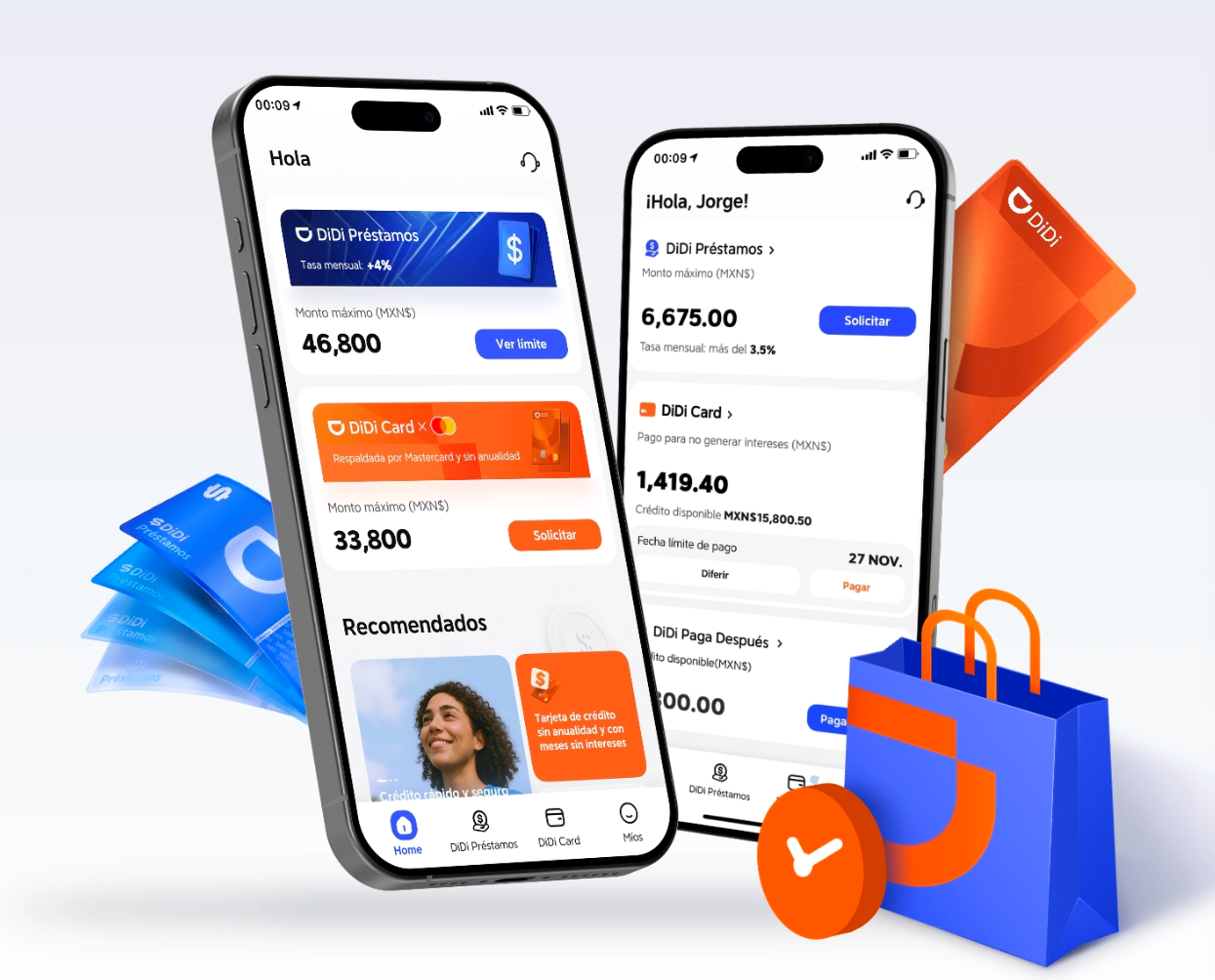
City-level payment habits are shifting, and the comparison that matters is between convenience and real savings — that’s where didi finanzas enters the conversation. Looking at ride-hailing rewards, merchant incentives, and simple digital wallet flows, DiDi’s cashback model competes directly with banks’ debit rewards and fintech apps that offer points or discounts. The result is more immediate value for everyday transactions, rather than deferred loyalty credits.
How DiDi’s cashback stacks up against alternatives
Three concrete elements separate players in this space: speed of crediting, scope of merchant acceptance, and clarity of fees. DiDi’s cashback is attractive because it often posts quickly and applies directly within the app ecosystem — that reduces friction. Against traditional offers tied to a card network or bank reward, this model simplifies redemption and lowers perceived transaction cost. The trade-offs are familiar: narrower merchant reach and dependence on one provider for both payment rails and incentives.
Trust and compliance — the real-world anchor
For many users in Mexico City and other urban centers, trust hinges on regulation and visible safeguards — remember Mexico’s 2018 Fintech Law, which set expectations for onboarding and transparency. That regulatory backdrop makes users ask whether a mobility player can safely store funds or handle KYC. Many customers check whether didi finanzas es confiable before linking accounts, and rightly so. Clear statements on transaction fee policy, identity verification, and data handling are practical signals of reliability.
User experience and common pitfalls
Cashback works best when it’s understandable: instant crediting, clear expiration rules, and simple redemption. Problems appear when users misread eligibility, expect bank-level dispute resolution, or ignore merchant restrictions — all avoidable. Merchants can also misunderstand settlement timing and chargeback exposure, which complicates acceptance. A modest sanity check: confirm cashback posting timelines and whether the reward reduces the visible transaction amount or appears as a separate balance in the digital wallet.
Alternatives to consider
Not every user needs a closed-loop cashback system. For broader acceptance, bank-linked cashback cards or interoperable digital wallets remain better for cross-platform purchases. For high-frequency commuters who live inside one app ecosystem, app-native cashback often wins on simplicity. If you manage a small business, weigh merchant commission adjustments against incremental sales driven by rewards — the math needs to make sense for both sides.
Lessons from implementation — a short pause
Rollouts often reveal operational details that theory misses — think settlement delays, customer service load, and promotional fatigue — and these can erode trust if ignored. — Small adjustments early on (clear FAQs, faster dispute loops) preserve momentum and user confidence.
Summary insights
DiDi’s cashback approach nudges everyday spending toward convenience, turning routine rides and in-app purchases into a loyalty loop. Compared to legacy rewards, the benefits are immediacy and simplicity; the limits are ecosystem scope and merchant reliance. Practically, users who prioritize straightforward savings and merchants seeking quick promotional tools will find this model appealing. Regulators and transparent KYC practices anchor that appeal in real urban contexts.
Advisory — three golden rules to evaluate cashback programs
1) Crediting speed and visibility: Prefer offers that post within 24–48 hours and show up as a usable balance.
2) Merchant breadth and settlement terms: Confirm which merchants accept rewards and how long settlements take to avoid cashflow surprises.
3) Clear dispute and data policies: Choose providers that publish straightforward KYC, privacy, and dispute-resolution steps.
When you apply these rules to real choices, DiDi Finanzas often appears as a practical fit for urban commuters and small merchants who value quick, visible returns. I’ve seen similar systems shift daily routines — and the right metrics will show whether it shifts yours, too. —