
Setting the Scene: Why Outdoor Laser Projection Is Changing
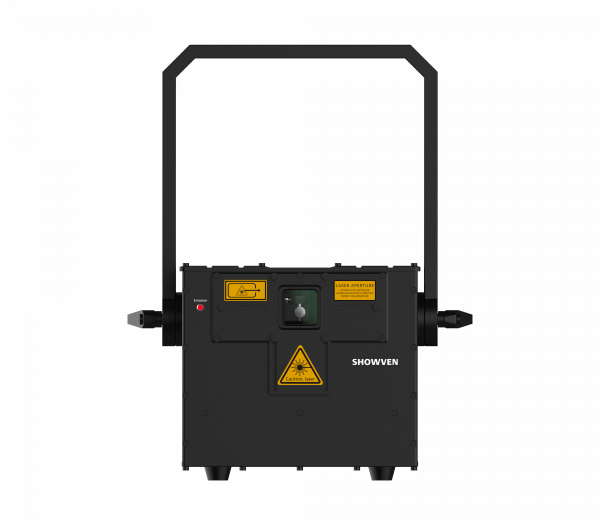
Outdoor laser projection blends coherent beams, sealed optics, and smart control into one simple goal: clean visuals that cut through the night. An outdoor laser projector manufacturer must balance optics, weatherproofing, and safety from the ground up. Teams rolling out outdoor projector laser lights on a seaside promenade face tricky realities—wind, salt mist, tight power windows. In many cities, energy caps and light-pollution rules now shape show design. IP65 ingress rating matters. Beam divergence matters. Galvanometer scanners need to stay accurate even when temperatures swing. Yet the old fix—throwing more lumens—often makes façades look flat and washed, not sharp. So the question lands: if the tech is so advanced, why do some outdoor visuals still feel dull?
Here’s the deeper layer. Traditional floodlights and even some legacy projectors waste output on spill and glare. They struggle with mixed surfaces, like brick or glass. Their optics fight rain, dust, and thermal drift. Power draw ramps up fast, and the show gets noisy because fans work overtime—funny how that works, right? Look, it’s simpler than you think: the flaws are baked into the old stack. Without tighter control of beam shaping, sync, and thermal paths, every watt you add can give less wow per watt. That’s where laser systems start to shine, because they bring precision to the edges—literally. Let’s shift from the problems to what’s actually moving the needle.
Forward Look: From Legacy Light to Laser Logic
What’s Next
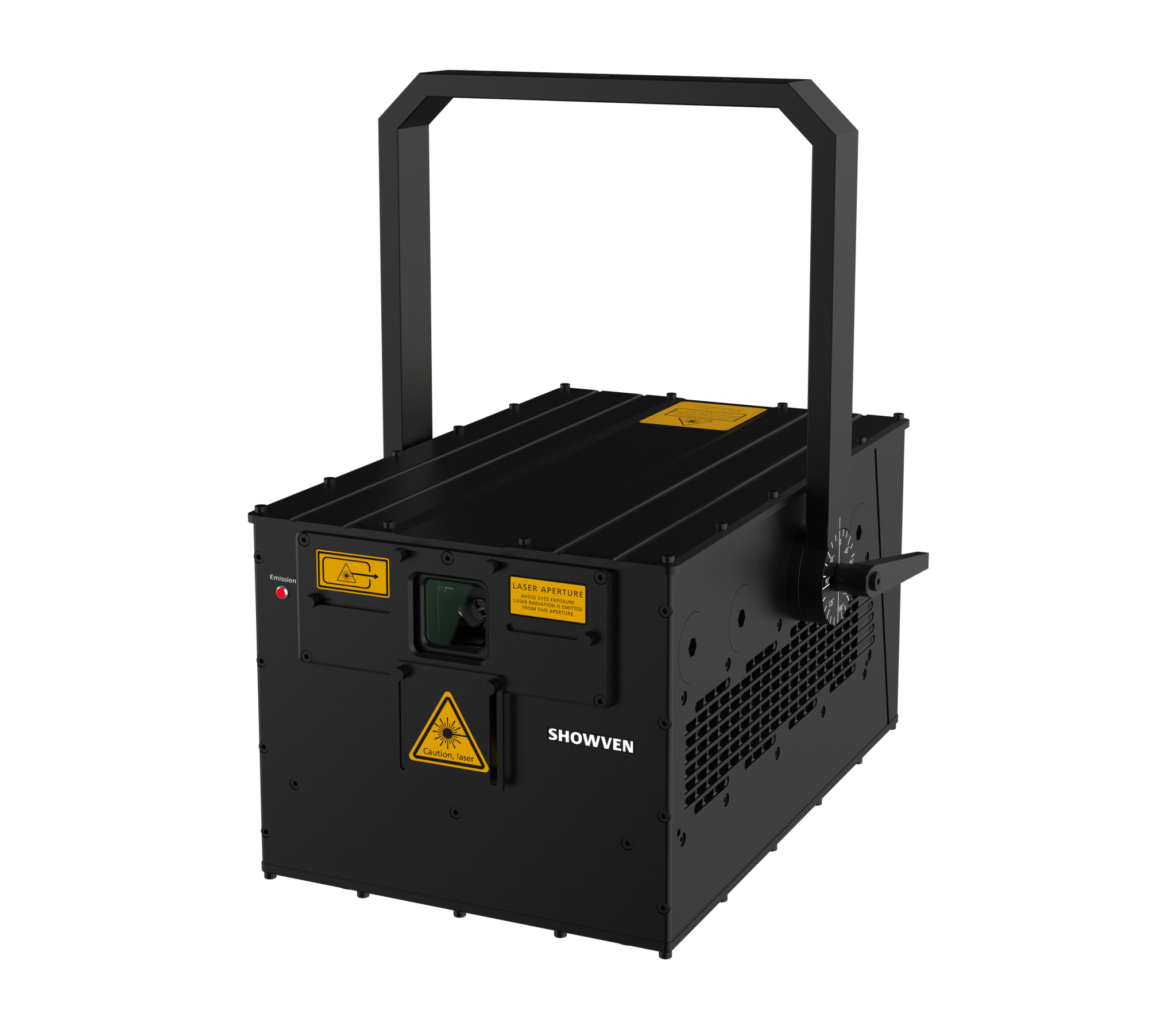
The new wave leans on solid-state diodes, smarter power converters, and sealed optical trains. Instead of brute-force brightness, modern rigs shape light with fine beam control and fast scanning. A well-tuned 40w laser light can deliver crisp lines on complex walls at modest power because divergence stays tight and the optical path is clean. Add temperature-aware control loops, and scanners hold geometry as the night cools. Edge computing nodes sync cues at the pole, not miles away, so latency drops and timing stays tight. The result is a steady canvas—rain or shine—without blowing past energy limits or local noise caps.
Think principles, not just parts. Precision beams reduce spill, so less wasted light means better contrast. Proper IP sealing cuts maintenance and drift. Smarter drivers and PFC in the power stage keep efficiency high even under load spikes. And safety interlocks plus scan-fail checks make public shows safer by design—no drama. It’s a small shift in mindset, but a big gain outdoors. The takeaway from earlier: old gear fought the weather; new systems work with it. Now, the practical bit—how do you choose well?
Use three clear metrics when you evaluate solutions: 1) Environmental resilience and duty cycle—look for real IP65 or better, tested thermal design, and stable MTBF; 2) Optical performance—tight beam divergence, uniform output, and clean scanner response for text and mapping; 3) Control and safety stack—robust protocol support (DMX/Art-Net/ILDA), reliable safety interlocks, and diagnostics you can read on-site. If the system checks those boxes and runs cool at spec, it will scale. That’s the quiet secret to better nights and lower bills—no need to overbuild. For deeper specs and examples, see Showven Laser.