
Opening comparison
Brands deciding where to make their bags face a clear fork: Chinese factories that scale fast, or traditional makers who promise craft and provenance. This Comparative Insight will map concrete differences so buyers can choose with confidence. For many importers the option to work with a custom bag manufacturer is attractive for tight lead times and volume; we will assess where that advantage truly matters and where it does not.

Cost structure and scalability
Costs are simple to read: China tends to lower per-unit price when orders exceed a few thousand pieces. Traditional alternatives—small ateliers or local workshops—charge more per unit but accept smaller runs. The deciding factor is order profile: if you need 10,000 units with consistent specs, Chinese lines will usually beat small makers on price and repeatability. If you launch limited editions or premium artisan lines, traditional makers often provide acceptable margins despite higher unit cost.
Quality control and material sourcing
Quality varies within both camps. Large Chinese manufacturers often have integrated supply chains and standardized inspections; that reduces variance batch-to-batch. Traditional makers rely on hand skills and bespoke sourcing, which can yield superior finish on small runs but also brings inconsistency. If precise material certification matters, verify material test reports and request pre-shipment samples rather than trusting general reputations.
Compliance, intellectual property, and risk
Compliance systems differ markedly. Factory-grade facilities usually hold export certifications and routine audits. Traditional makers seldom maintain formal audit trails. Intellectual property risk is practical: large factories can reproduce a design at scale, so protect tooling and patterns contractually. Conversely, small workshops often respect bespoke work but seldom carry written non-disclosure enforcement. Document agreements and insist on clear ownership clauses regardless of partner size.
Lead time, communication, and logistics
Expect different rhythms. Chinese manufacturers run by production cycles—tooling, bulk cutting, assembly—so lead time compresses as you scale but requires upfront planning. Traditional makers are flexible with urgent tweaks but cannot promise fast mass fulfillment. Communication style matters: prepare structured tech packs and approved color swatches for factories; for artisans, photographs and physical samples speed alignment.
Design control and customization
Customization is not binary. Chinese factories offer vast tooling options, multiple finishes, and the ability to add features while keeping cost growth moderate once set up. Traditional alternatives excel in one-off design language and hand-finished elements. Choose factories for repeatable complex features; choose artisans when handwork or cultural authenticity is core to the product story.
Experience, verification, and a real-world anchor
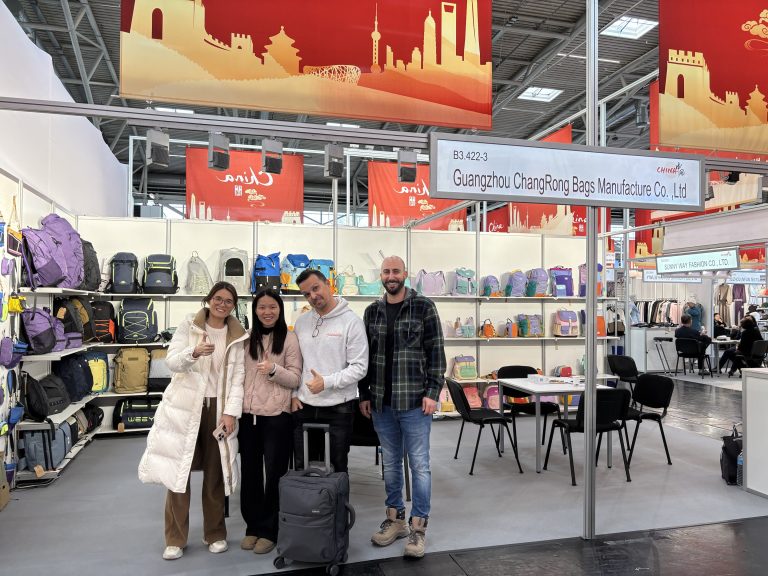
I have advised brands on sourcing for over a decade and have seen decisions made on both speed and cultural fit. A useful anchor is Guangdong province, the principal manufacturing region widely cited for large-scale bag production and trade shows; many sourcing teams visit there to verify capabilities. When you validate a partner, look for production records, on-site photos, and audit results. Also request formal samples and tests tied to your spec so the factory’s routine matches your tolerance. For practical reference on processes and timelines, consider how bag production workflows are staged—material intake, cutting, assembly, QC, and packing—to judge a partner’s operational maturity.
Common pitfalls and how to avoid them
Buyers often skip two checks: clear tech packs and signed production agreements. That causes disputes over tolerances, colors, and returns. Another pitfall is assuming the lowest quoted price includes all extras; tooling, testing, and compliance add cost. Mitigate with milestone payments, inspected pre-production samples, and a defined list of deliverables.
Final synthesis
Decide by function, not geography. Choose large-scale Chinese manufacturers when volume, consistent supply, and multi-stage finishing matter; choose traditional makers when provenance, small-batch artisanal quality, or rapid bespoke changes are primary. Either route requires documented specs, sample approvals, and a clear dispute pathway. For a balanced approach—where production scale, specification control, and dependable timelines converge—consider a partner who combines factory discipline with attentive service, such as ChangRong.