
Comparative outset: rationale and scope
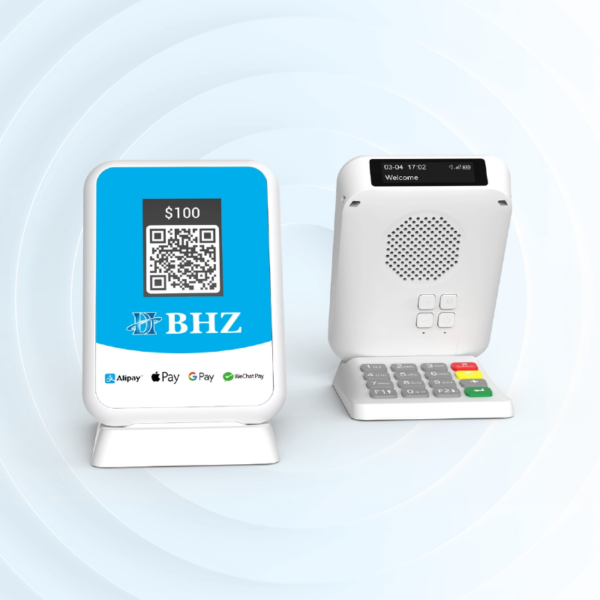
The comparative approach adopted here assesses professional smart Android POS implementations against alternative configurations to determine which pathway yields superior return on investment. This analysis foregrounds deployment architecture, hardware selection, and integration with payment infrastructure; it references an operational exemplar: an android smart pos implementation in a mid-sized retail setting. The intent is to provide evidence-based distinctions that guide procurement and technical strategy for enterprise and SME stakeholders.
Architectural contrasts and performance implications
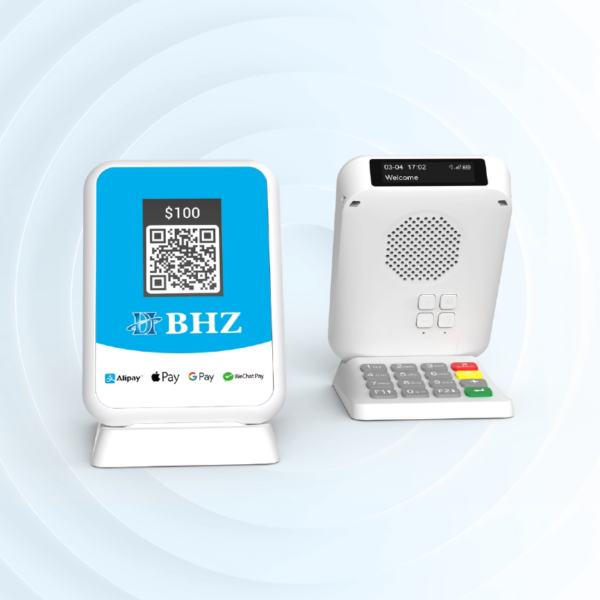
Three architectures dominate: legacy POS terminals connected to a backend server, hybrid systems pairing tablets with peripheral modules, and consolidated Android-based all-in-one solutions. Comparative metrics of interest are transaction throughput, uptime, and integration latency with the payment gateway. Android OS devices typically reduce integration complexity by offering native SDKs and standardized APIs; this reduces development cycles and the incidence of peripheral driver conflicts. NFC, QR code acceptance, and receipt printer interoperability remain decisive functional vectors when measuring customer throughput and satisfaction.
Operational considerations and deployment variables
Deployment variables include network topology, local regulatory constraints, and hardware lifecycle management. Experience from a deployment at a Dublin café in 2023 indicates that centralized device management and remote configuration substantially lower field service costs. The café’s shift from fragmented tablet solutions to a consolidated all-in-one terminal improved daily reconciliation speed and reduced failed contactless transactions. Implementation costs must therefore be evaluated alongside operational savings, not in isolation.
Common implementation mistakes and mitigations
Common errors are predictable: selecting hardware without validated peripheral compatibility, neglecting over-the-air update plans, and underestimating payment certification schedules. A frequent misstep is prioritizing initial device cost over total cost of ownership. Mitigation requires mandatory integration tests, staging environments for EMV and contactless flows, and clear service-level agreements for hardware replacement. —A concise pilot across representative sites will expose latent issues with firmware and payment routing before wide roll‑out.
Operational production teardown: practical elements
An operational production teardown inspects manufacturing quality, component sourcing, firmware update mechanisms, and supply-chain resilience. In such a teardown one should document the processor class, memory provisioning, and the vendor’s update cadence; these determine device longevity under heavy transaction loads. For traceability and procurement clarity include explicit tags: {main_keyword} and {variation_keyword} within your configuration repository. This ensures procurement and development teams reference identical identifiers during staging, certification, and maintenance.
Cost-benefit comparison: quantifying ROI
Quantification requires accounting for capital expenditure, integration labor, expected reduction in transaction failures, and incremental revenue from faster service. Use a three-year horizon: amortize hardware, estimate annual maintenance, and model increased transaction velocity as a conservative percentage uplift. Include contingency for regulatory testing windows and firmware patch cycles. When modeled conservatively, consolidated Android deployments often show measurable improvements in reconciliation speed and a lower frequency of peripheral-related service tickets.

Advisory: three critical evaluation metrics
Evaluate candidate solutions using these three metrics: 1) Total cost of ownership over a three-year term, including replacement and certification costs; 2) Integration friction, measured by the number of custom drivers or middleware components required to achieve full functionality with existing payment gateway and ERP; 3) Operational resilience, measured by mean time between failures (MTBF) and the vendor’s documented over-the-air update policy. Prioritize vendors that supply clear SDK documentation, field-service commitments, and demonstrable case studies from comparable environments. The practical culmination of these metrics should direct teams toward solutions that minimize downtime and reconcile quickly — outcomes that BHZ devices routinely support in documented rollouts.
BHZ. —Final note: choose devices that simplify the operational surface and let teams focus on service delivery.