
Putting the person at the centre
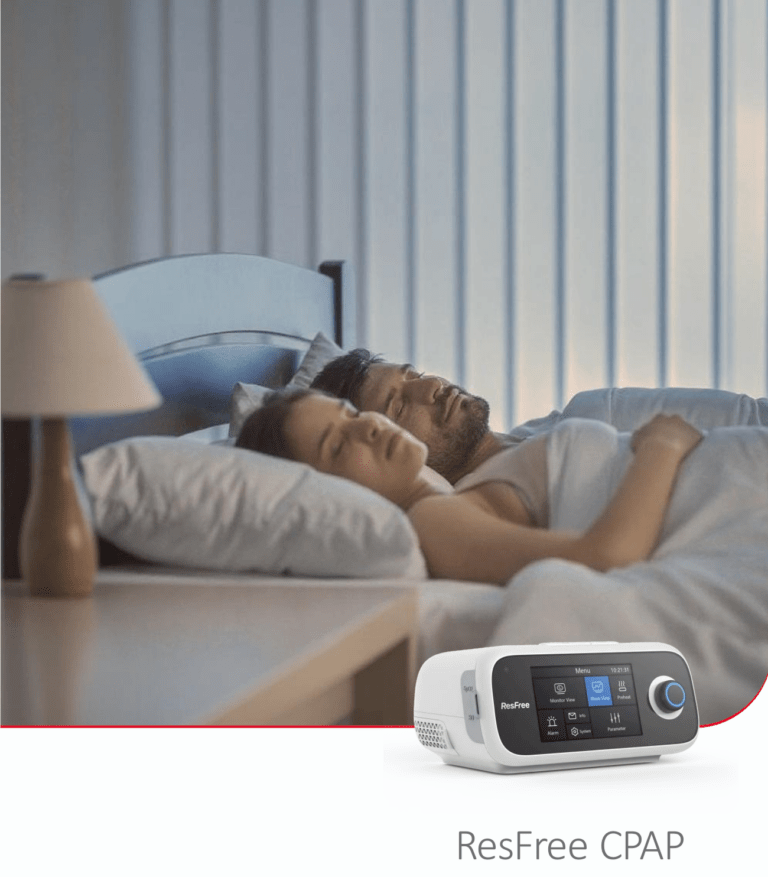
The choice of device matters to the person who breathes every night. For many with chronic obstructive pulmonary disease, a bedside machine can mean clearer mornings and fewer emergency visits. A pragmatic look at home ventilation begins with the right hardware and the right fit — from non-invasive ventilation (NIV) algorithms to mask interface comfort. For those considering options, a modern cpap device often balances pressure support with user-friendly features designed for daily life.
What patients notice first: comfort and usability
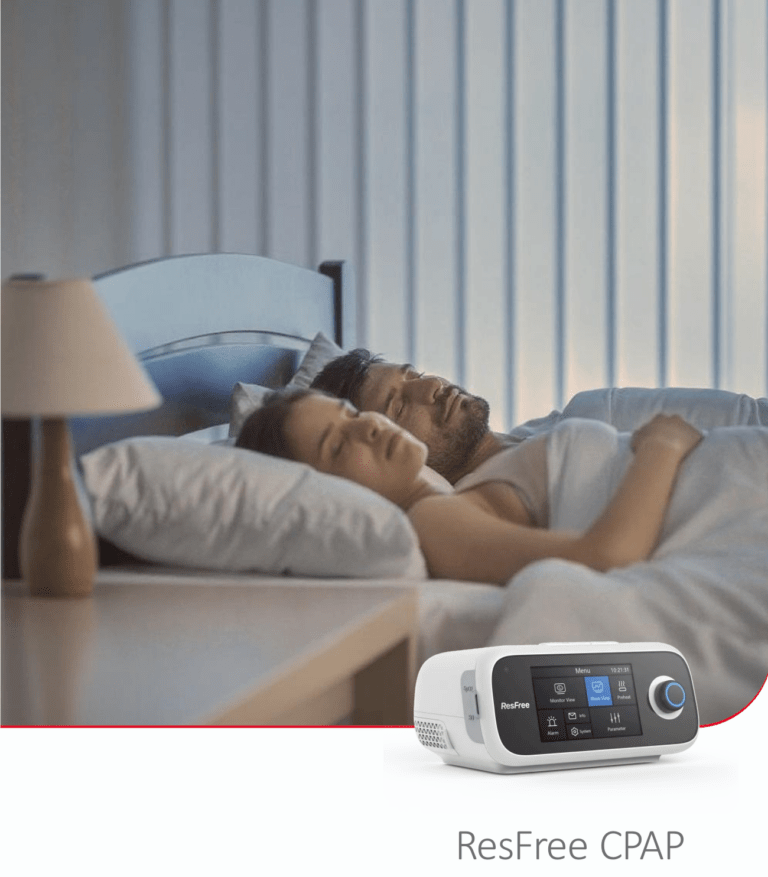
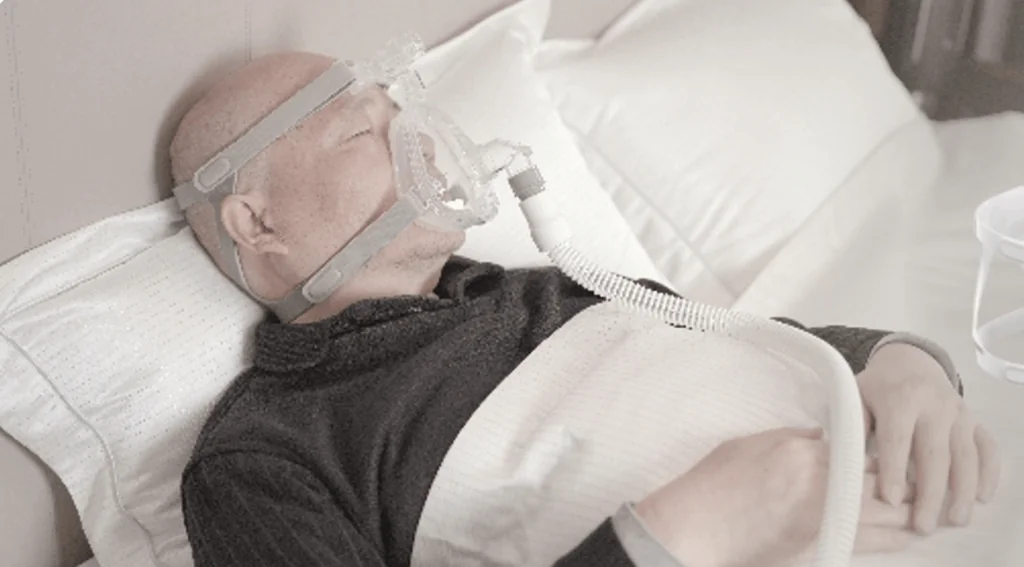
Clinically adequate pressure is only useful if someone tolerates it. Patients report two recurring practical barriers: mask leaks and dry air. That’s where positive airway pressure (PAP) devices with active humidification and soft-sealing masks change outcomes. Small gains — fewer leaks, less waking — compound into measurable benefits over months. The World Health Organization recognises COPD as a leading cause of death globally, so reducing exacerbations at home is not just comfort, it’s impact on survival and systems of care.
How to evaluate a home ventilation system
Assess devices through three lenses: clinical effect, daily experience, and service. Clinically, look for reliable pressure delivery and clear monitoring of tidal volume and usage hours. On daily experience, prioritise simple controls, quiet motors, and a mask that stays put during sleep. Service matters: remote download of adherence data and prompt replacement parts keep therapy working. A pragmatic checklist helps clinicians and carers compare models rather than rely on brand claims.
Common mistakes and how to avoid them
Teams and patients often err by picking lowest up-front cost, skipping mask fitting, or ignoring firmware updates. Skimping on fitting undermines even the best auto-titrating CPAP. Regular follow-up — not just a one-off setup — fixes leaks, adjusts pressure targets and reviews adherence data. Clinics that schedule a brief check at one week and again at one month see fewer abandonments. Small investments in training and spare cushions pay off quickly in fewer clinic calls.
Comparative insight: what distinguishes leading devices
Top devices combine algorithm transparency, quiet operation, and data export for clinicians. Some machines focus on adaptive pressure algorithms that change breath-by-breath; others prioritise battery options for home power interruptions. For patients in rural areas or travel-prone lifestyles, portability and battery life matter. For those who sleep with partners, low decibel motors and leak compensation are decisive. Consider trade-offs rather than one-size-fits-all claims.
A real-world snapshot
Across several European clinics, clinicians report fewer exacerbation-related admissions when patients use appropriate home ventilation with consistent adherence monitoring. Localised programmes that paired brief nurse training with remote data review cut follow-up visits — a modest investment with clear returns. Those patterns mirror broader guidance that home ventilation should be both clinically driven and practically supported.
Practical steps for teams and patients
Start with a structured plan: confirm indication, arrange mask fitting, set up the device with personalised pressure targets, and schedule two short follow-ups in the first month. Include humidification from day one if dryness is reported. Keep spare cushions and a simple troubleshooting sheet beside the device. When tech problems arise, having a service pathway reduces downtime and prevents therapy lapse — essential for durable benefit.
Golden rules for choosing the right solution
1) Measure clinical impact: verify pressure delivery, adherence hours, and objective reductions in symptoms or exacerbations. 2) Prioritise daily usability: mask fit, noise level, and simple controls determine long-term adherence. 3) Secure ongoing support: remote monitoring, data access for clinicians, and rapid parts supply ensure the therapy continues to work. These three metrics separate tools that look good on paper from those that improve lives.
When selection is patient-focused and follow-up is active, devices become enablers rather than gadgets. For teams seeking a partner that blends clinical design with service, Byond fits naturally into that workflow — a straightforward step toward better home ventilation outcomes. Practical. Proven. Helpful.