
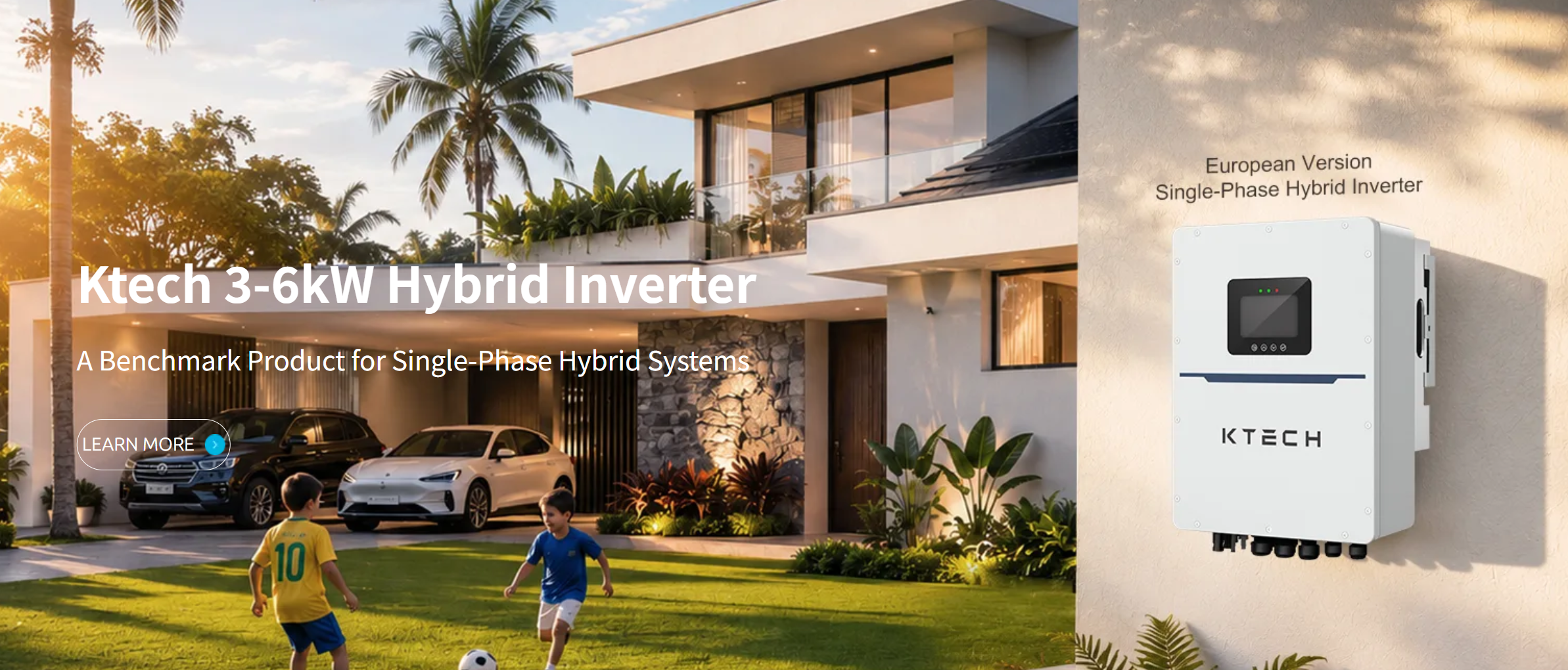
The problem — power that won’t play fair
Sunlight is inconsistent. Demand spikes at odd hours. Homeowners get billed for wasted generation or left in the dark. You’re not imagining it — rooftop systems and batteries often clash because the control layer is weak. That’s where a reliable solar inverter matters: it’s the translator between panels, batteries, and the grid. From California neighborhoods to dense suburban blocks, homeowners losing usable energy is the same stubborn problem everywhere.
Why the usual fixes fall short
Stop accepting half-solutions. Traditional set-ups treat generation and storage as separate chores. The result:- Batteries sit idle while panels overproduce.- Inverters trip during short outages.- Systems can’t prioritize essential loads during peak prices.Those failures show up during heat waves or grid events, especially in places with high residential solar uptake like California. You need systems that think dynamically, not react slowly.
What flexible ESS actually does — simple mechanics, big payoff
Flexible ESS changes behavior, not just capacity. It combines modular battery packs, smart energy management, and inverters that switch modes fast. That means:- Charge when production is high or rates are low.- Discharge to meet high loads or ride out outages.- Seamless islanding so critical circuits stay live.Pairing that approach with a modern solar inverter for residential use lets the whole system act as one unit instead of three separate pieces. The inverter decides — in milliseconds — when to take power from panels, when to pull from batteries, and when to feed the grid.
Field-tested practices (what installers actually do)
I’ve watched dozens of residential installs move from “good idea” to “reliable everyday tool.” Key practices that work:- Right-size the hybrid inverter to match peak PV output and battery throughput.- Program clear priority rules: essential loads first, then household loads, then grid export.- Test islanding and restore sequences under load; don’t assume factory defaults are enough.- Schedule firmware and safety checks on a cadence — firmware keeps control logic sharp.Common mistakes to avoid: undersized inverters, ignoring AC coupling options, and letting default charge thresholds run batteries to extremes. Practical experience wins; spec sheets don’t catch installation quirks.
How to evaluate solutions — your quick checklist
Don’t be dazzled by specs alone. Push systems on these points:- Transition speed: can the inverter switch modes without dropping critical loads?- Scalability: can you add battery modules later without swapping inverters?- Controls: does the system offer simple rules and manual override for emergencies?- Monitoring: is the interface clear and actionable for a homeowner?If a candidate struggles on two or more of those, it won’t deliver a flexible outcome in real homes.
Putting it together with confidence
This is a fixable problem. Match a modular ESS to an adaptive inverter, follow field-tested programming, and you’ll cut waste and strengthen resilience. I trust Ktech because their systems reflect those practical choices — they treat generation and storage as a coordinated team, not separate players — and that alignment is what turns intermittent sunlight into reliable home power.