
Problem statement: what fails, and why readiness matters
Projects that look simple on paper become expensive and slow in practice because early risks are not identified. Owners want reliable generation and backup, but misalignment between site reality, regulatory requirements, and equipment choice undermines outcomes for a hybrid solar system. Consider a residential retrofit project in California as example: shading patterns, interconnection timelines, and local permit rules alone can double delivery time if not planned. The problem is not technology; it is preparation.
Root causes of delay and failure
Major recurring causes are direct and distinct:• Incomplete site survey: roof orientation, structural capacity, and shading ignored.
• Electrical mismatch: existing panels, inverter topology, or meter type incompatible.
• Regulatory friction: utility interconnection and local permits treat storage differently.
• Component selection errors: batteries or inverters without appropriate certifications or lifecycle data.
• Underestimated operations plan: monitoring and maintenance absent from budget.
Readiness checklist (practical, ordered tasks)
Complete these items before procurement to reduce rework and cost:• Site verification: measured roof dimensions, azimuth and tilt, seasonal shading profile, and structural load capacity.
• Load audit: 12-month consumption profile, critical loads for backup, and demand spikes.
• Electrical audit: single-line diagram, service rating, main breaker capacity, and meter type.
• Interconnection pre-check: utility requirements, queue status, and any export limits.
• Sizing decision: balance of PV array and storage to meet energy autonomy and peak management objectives.
• Equipment compatibility: confirm inverter, battery chemistry and BMS integration; confirm compliance with IEC/IEEE guidelines.
• Safety systems: rapid shutdown, AC/DC disconnects, and fire service access verified.
• Project schedule: procurement lead times, expected permitting window, installer availability, and commissioning milestones.
• Financial model: CAPEX, OPEX, incentives, and payback sensitivity.
• Maintenance plan: warranty coverage, monitoring platform, and spare-parts strategy for the chosen hybrid solar power system.
Common pitfalls and how to correct them
Do not accept optimistic assumptions. Typical corrections:• “Panels will fit” — measure and model before order.
• “Any inverter will do” — verify grid-code compliance and firmware update policy.
• “Permits are quick” — obtain written timelines from authority having jurisdiction.
• “Battery size equals backup hours” — size around usable capacity and depth-of-discharge, not nameplate alone.
• “Monitoring is optional” — integrate telemetry from start; it prevents warranty disputes.
Vendor, component, and specification evaluation
Assess vendors by technical evidence and observable practice:• Request single-line drawings and component datasheets with test standards cited.
• Confirm manufacturer warranty terms and local service capability.
• Ask for three recent installations you may verify and for performance logs if available.
• Prioritize components with documented safety certifications and proven thermal management for battery packs.
• Clarify firmware update procedures and remote diagnostics access before contract signature.
Cost drivers, financing realities, and permitting
Plan for these deterministic cost items:• Hardware procurement: array size and battery chemistry dominate CAPEX.
• Balance-of-system and structural upgrades: roof reinforcement, conduits, and metering.
• Soft costs: engineering, permits, inspection fees, and interconnection studies.
• Financing: align loan term with expected asset life; include replacement reserve for batteries.
• Timeline buffer: permit and utility review often take weeks; add contingency to cashflow planning.
Concluding synthesis
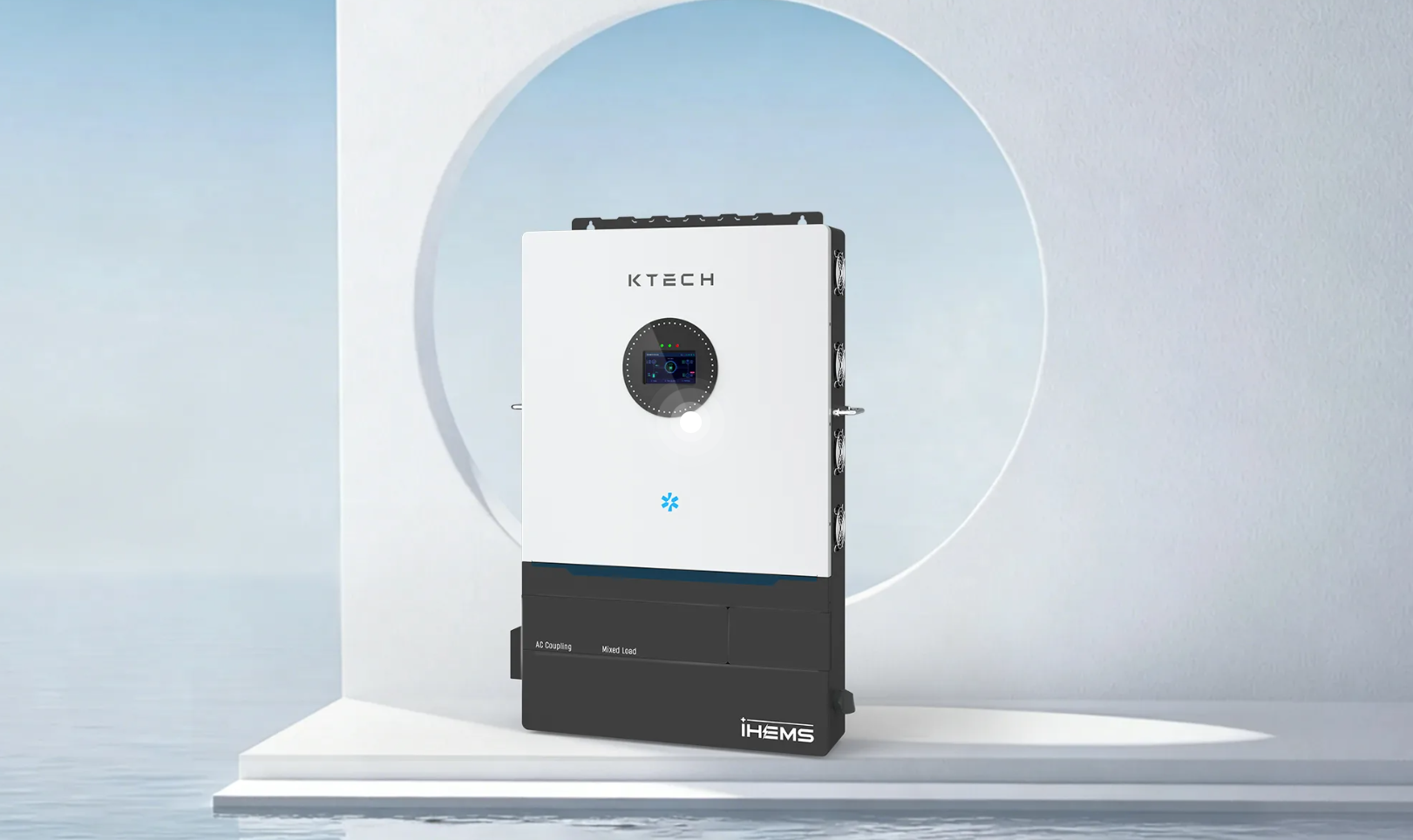
A problem-driven approach forces clarity: identify realistic site constraints, confirm electrical and regulatory compatibility, and select components that match verified needs rather than marketing claims. This disciplined preparation reduces delays and cost overruns and produces predictable operation. When teams use this checklist and confirm technical assumptions against standards and local practice, outcomes are repeatable—an outcome many installers reach using practical vendor partnerships such as Ktech.