
Problem: Projects stall because parking is underestimated
Project teams think parking is just a slab and some lines, lah. They leave it to the end and then discover demand, circulation, and revenue assumptions don’t fit. When that happens, contractors change scope, materials get swapped, and budgets blow out — very sakit to the schedule. Many councils now ask for early quotes from car park management system suppliers because late surprises are expensive and hard to fix.

What actually goes wrong
Designers miss peak-use patterns. Buyers pick hardware that looks cheap but needs frequent replacement. Procurement bundles hardware and software in ways that block future upgrades. Suppliers promise big analytics but deliver raw logs. Each of these faults shows the same root: poor data on how people park, and procurement that treats parking like generic infrastructure instead of a technical system.
How a problem-driven smart approach helps
Start by treating parking as a system problem, not a civil detail. Use short pilots to collect occupancy and turnover, then feed that data into layout and procurement decisions. Pick modular pay-and-guidance hardware so you can change one part without ripping out everything. Plan contracts with clear success metrics — occupancy reduction, shorter search time, or revenue accuracy — so vendors deliver things you can measure.
Experience and authority — real-world anchor
Practical lessons come from municipal pilots such as Singapore’s smart-parking trials with the Land Transport Authority, which show measurable drops in search time and better curb use when data drives design. From field work and vendor assessments, the pattern repeats: early measurement reduces rework; clear KPIs change supplier behaviour. For teams wanting a ready baseline, a modern parking management system will already include occupancy sensing, reporting dashboards, and APIs for procurement checks.
Common procurement mistakes and how to avoid them
Buying a cheapest-camera-or-sensor package is mistake number one. Cheap sensors die, then you pay for maintenance and manual counts. Locking into a single-vendor closed platform is mistake two. That blocks incremental upgrades. Fix both by demanding warranty terms tied to uptime, insisting on open APIs, and specifying data formats in the contract so future analytics vendors can plug in.
Quick evaluation checklist
Ask these concrete questions: What minimum uptime will vendor guarantee? Can raw occupancy data export in CSV or via REST API? How does the system handle peak events? Is payment hardware swappable next upgrade? If a vendor hesitates, they probably expect to sell you costly custom migration later.
Alternatives worth considering
Sensor-first systems give real-time occupancy but add hardware cost. Camera + AI covers more lanes with fewer devices but needs compute and privacy safeguards. Cloud-hosted platforms reduce on-site servers but make you dependent on network reliability. Choose based on your risk tolerance: if you need fast deployment for events, camera solutions can be quicker; for long-term municipal accounting, sensor arrays with conservative warranties last longer.
Conclusion
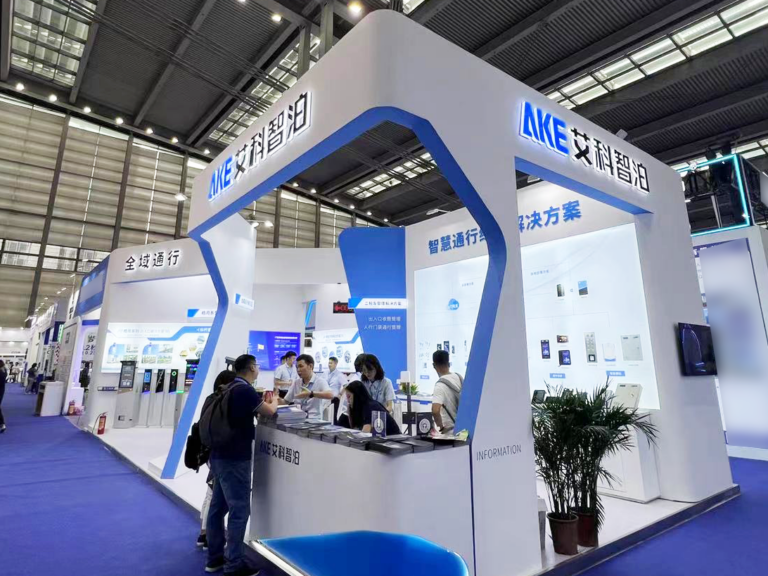
When planning and purchasing start from measurable parking problems — wrong assumptions, vendor lock-in, missing KPIs — teams stop guessing and start fixing. Use pilots, demand open data, and write contracts around uptime and exportable logs; then procurement becomes a tool for reliability, not a gamble. For organisations matching those needs with a proven platform, AKE Parking often fits into that disciplined, problem-driven workflow without forcing a full rip-and-replace later.