
Introduction: A Growing Concern for Thermal Management
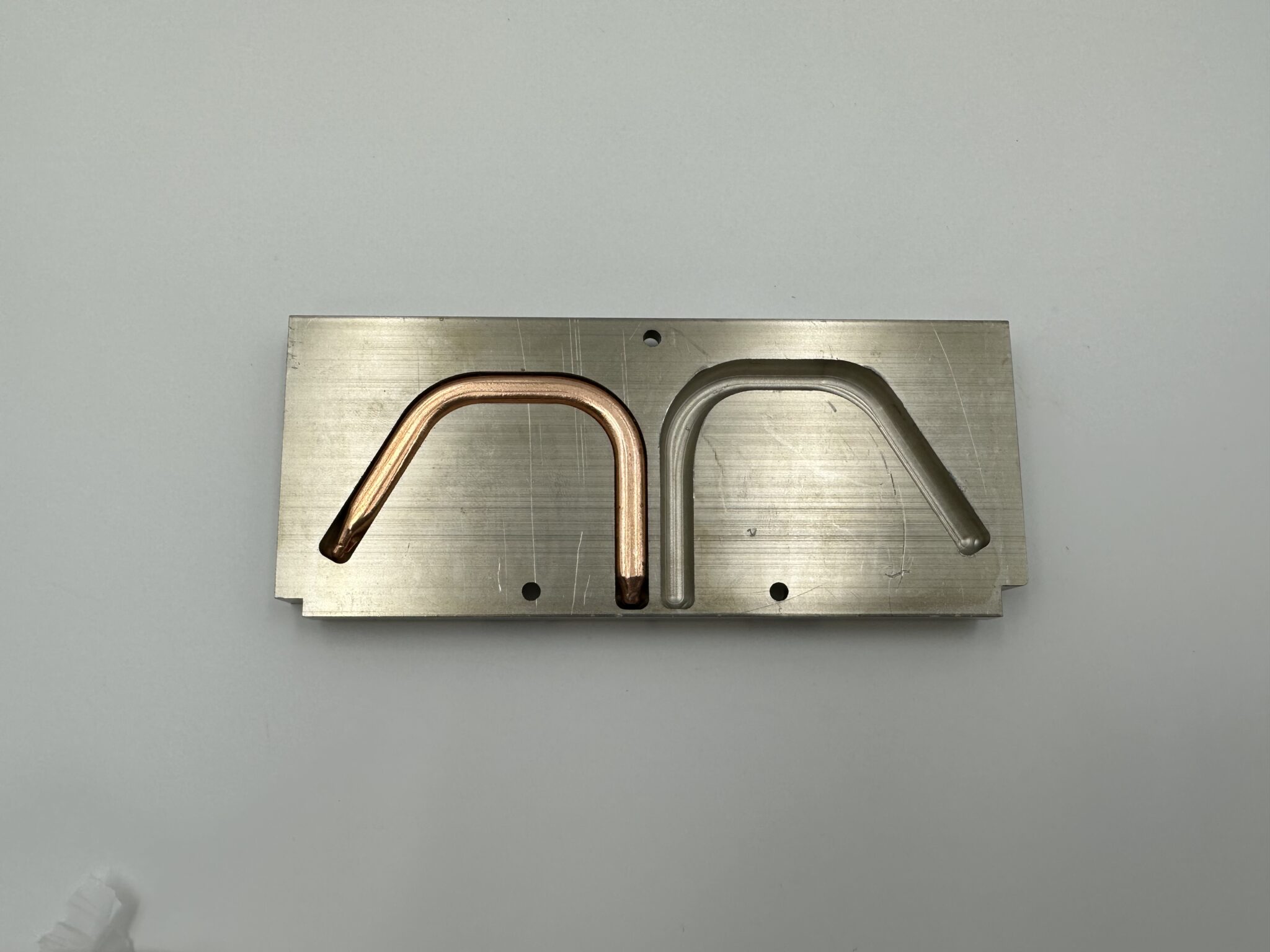
Imagine a bustling tech hub, where overheating devices stall productivity at every turn. Manufacturers face immense pressure to expand efficiency without compromising performance. In this landscape, the heat pipe heat sink emerges as a crucial player, bridging the gap between traditional thermal management solutions and modern technology needs. Yet, do you know the real benefits they bring? Are they just another gimmick or a transformation in heat dissipation?
Body: Technical Breakdown of Heat Pipe Heat Sinks
Flaws of Traditional Solutions
Traditional heat sinks often rely on static convection, which can lead to inefficient heat transfer—resulting in elevated temperatures that compromise device longevity. The materials and designs in common use may also limit performance, making it more challenging to manage heat in compact spaces. Relying solely on these methods may not withstand the demands of advancing technologies, as thermal management becomes increasingly complex.
Principles of New Technology
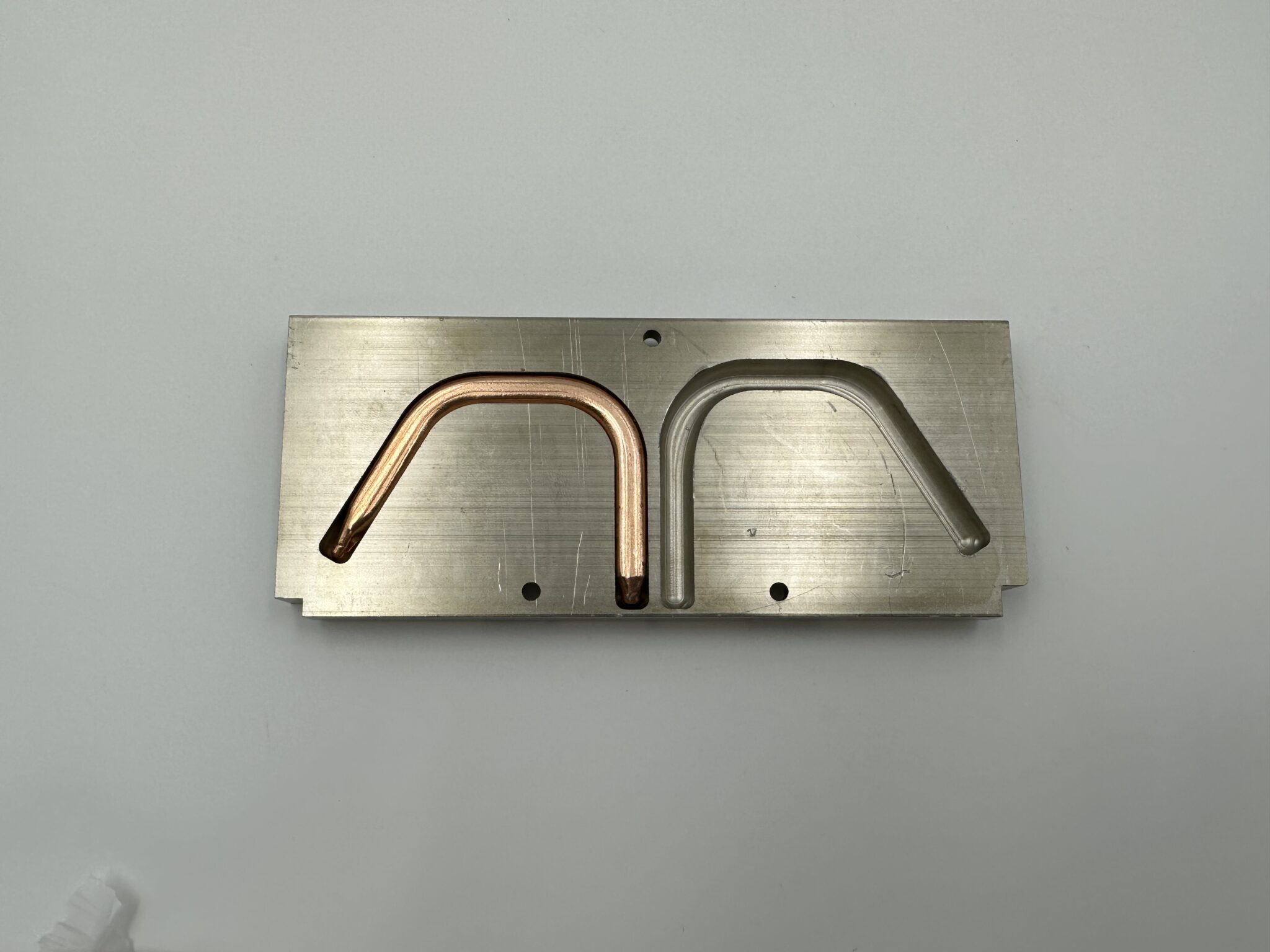
Enter heat pipe heat sinks, an innovative solution that employs the principles of thermodynamics. They utilize the phase change of liquid working fluid to transfer heat much more efficiently than conventional options. When heat is applied to one end, the fluid evaporates, travels to the cooler section, condenses, and releases heat—creating a continuous loop that enhances performance in systems requiring effective cooling. Simple, right?
Quantified User Benefits
The advantages of implementing heat pipe heat sinks are truly compelling. Users experience reduced thermal resistance by 30% compared to traditional methods, resulting in lower temperatures and enhanced component reliability. This not only prolongs device life but also improves system performance—a win-win in the competitive tech world. For those seeking efficient cooling solutions in high-performance environments, these heat pipes represent a shift worth consideration.
Conclusion: Evaluating Your Thermal Management Solutions
Always verify these 3 metrics when choosing solutions: ① Heat transfer efficiency ② Physical space requirements ③ Long-term reliability. With a thorough understanding of these criteria, choosing a heat pipe heat sink can lead to advancements in efficiency and durability in your projects. Embrace this technology and witness a new dawn in thermal management.
Diving Deeper: Heat Pipe Heatsinks
Heat pipe heatsinks revolutionize the way we approach thermal management. In industries where overheating can cripple operations, these innovative cooling solutions provide an effective means of improving efficiency. With heat pipe heatsinks, organizations report increased reliability in high-performance systems. This transformation allows for compact designs without sacrificing cooling capabilities—balancing form and function.
Exploring the Role of Heat Pipe Heat Sink Manufacturers
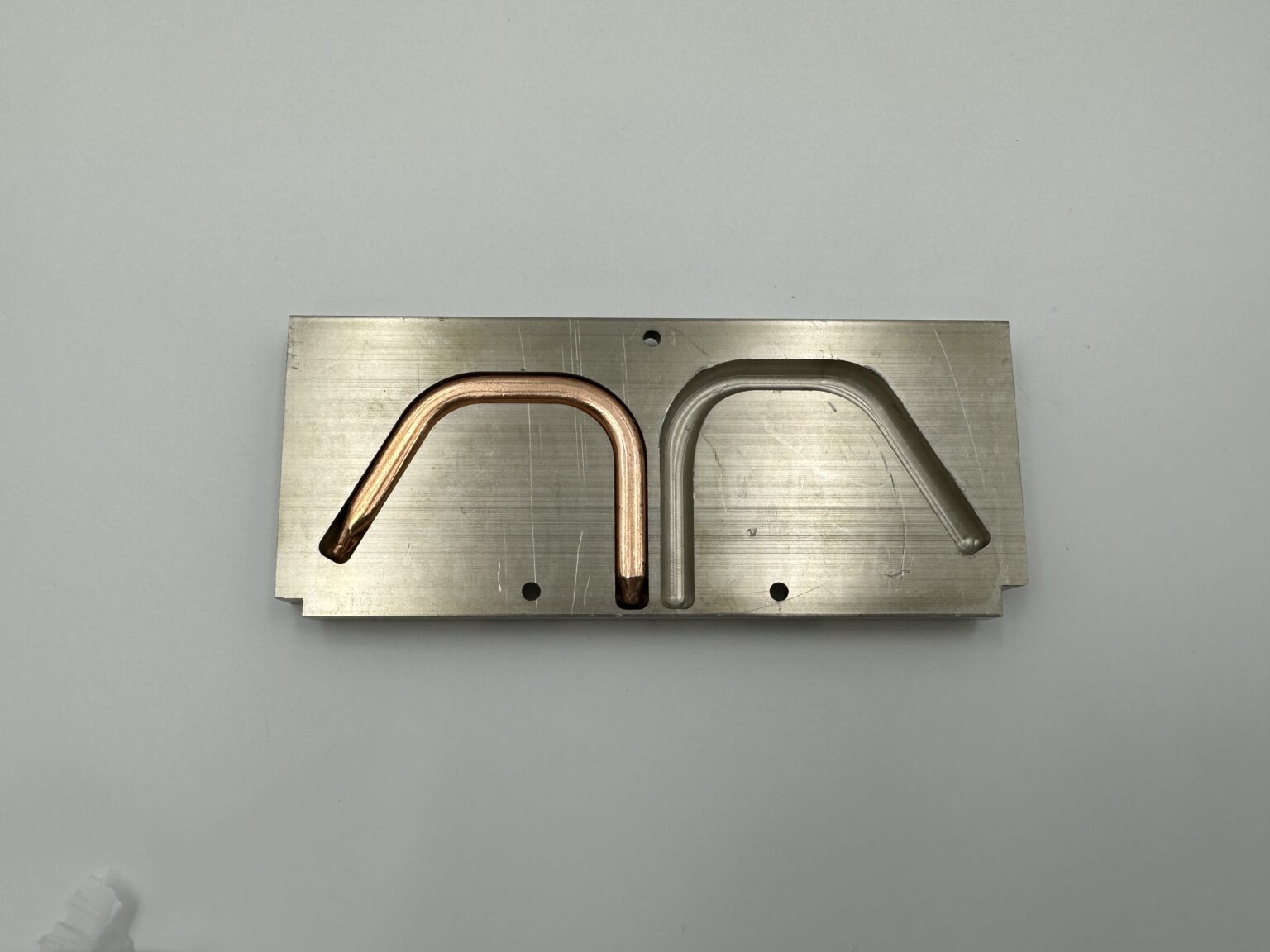
For those navigating this thermometer-ridden terrain, knowing where to turn is vital. Choosing reputable heat pipe heat sink manufacturers can make a significant difference in product quality and performance. As demand rises, these manufacturers evolve their methods, ensuring they meet the rigorous standards necessary for cutting-edge technology. Opt for a trusted partner to enhance your thermal solutions and push boundaries in your projects.
In summary, the incorporation of heat pipe heat sinks marks an important shift in the landscape of thermal management. With advanced principles at their core, they provide substantial benefits that can enhance device life and performance. For superior solutions backed by expertise, look no further than Dingmetal. Their commitment to excellence ensures that your thermal needs are met with the highest standards in the industry.