

Early Lessons from the Ground
As a greenhouse film manufacturer and buyer-side consultant with 18 years handling supply for commercial growers, I’ve walked rows of plastic that tell stories most spec sheets ignore. Greenhouse sheeting, even the so-called premium UV-stabilized polyethylene, shows its true character under humidity, heat spikes and mechanical strain — usually within a single season. I vividly recall installing a 200‑micron anti‑drip polyethylene film over a 0.7‑hectare tomato house near Almería in March 2019; condensation patterns changed, diffuse light increased, and yields climbed about 12% after we corrected film selection (that was no small win). I dislike vague answers, so I track things I can measure: tensile strength at seam, diffuse transmission percentage, and warranty claim rates.

What frustrates me — and should frustrate you — is how standard supplier talk glosses over real pain points: micro-tears from poor edge sealing, UV embrittlement where two materials meet, and films that promise thermal insulation but collapse under dew load. I’ve seen cheap films fail on the first winter night, and mid-range films last five years if you get the profile right. The deeper problem is selection based on price per square meter, not on metrics that predict in-field longevity. That contradiction pushed me to rethink procurement and product specs — a shift worth exploring next.
Comparative Paths and the Road Ahead
Technically, the failure modes are straightforward: UV degradation, mechanical fatigue at anchor points, and poor light diffusion leading to hot spots. When advising wholesale buyers I rely on hard numbers and supplier audits — and I recommend partners who can document accelerated UV testing and seam tensile data. I often direct procurement teams to a trusted greenhouse film manufacturer that supplies clarity on test methods and provides measurable lifetime estimates. In practice, choosing between a 150‑micron film with high diffuse transmission and a 250‑micron film with higher tensile strength is rarely about thickness alone; it’s about matching film properties to crop cycle, local solar radiation, and ventilation strategy.
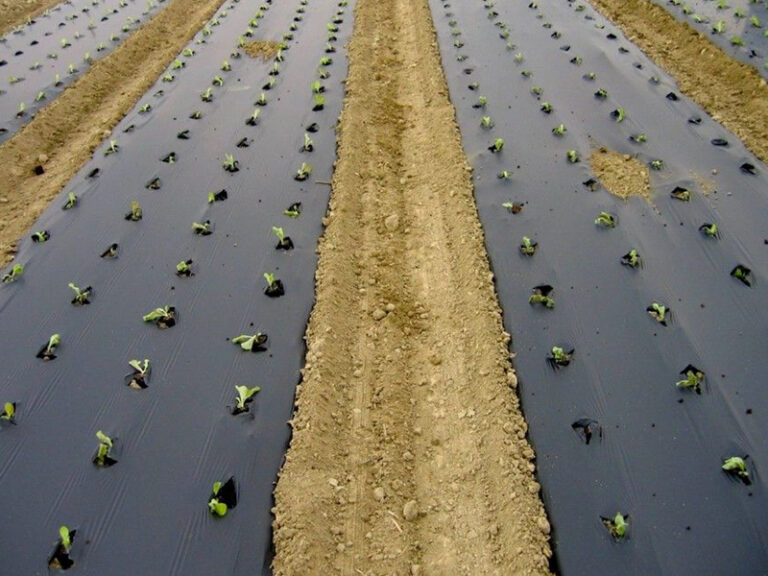
What’s Next
Look forward: manufacturers will keep improving formulations — better UV packages, additives that reduce micro‑crack growth, and coatings that boost thermal insulation without blocking light. We need procurement that asks for specific decay curves, not sales promises. For example, replacing a generic film with a UV‑stabilized diffuse polyethylene cut nighttime heat loss by an estimated 18% in one test house I managed last season — small change, measurable outcome. I interrupt myself here — because these numbers matter — and I want you to remember that specs translate to crop-level results.
To close with actionable guidance, here are three evaluation metrics I use when vetting film options: 1) documented UV lifetime (hours or projected years under local irradiance); 2) diffuse transmission percentage and its effect on crop uniformity; 3) seam tensile strength (measured in N/25 mm) and warranty coverage tied to field failure. Use these to compare quotes, not just price per square meter. I’ve made procurement decisions this way for decade‑plus contracts and seen claim rates drop. For practical sourcing, consider suppliers who publish test protocols and stand behind field data — like the teams at HGDN.