
Introduction — a small story, a big question
I remember sneaking under a warm red glow after soccer practice, thinking it felt like a friendly sunlamp. The best red light therapy bed was supposed to make my sore legs bounce back, and I wanted that to be true. Lots of people say these lights help—some surveys and small studies note patterns in recovery times (and yes, numbers matter). So why do some devices feel like magic while others barely do anything?—funny how that works, right?
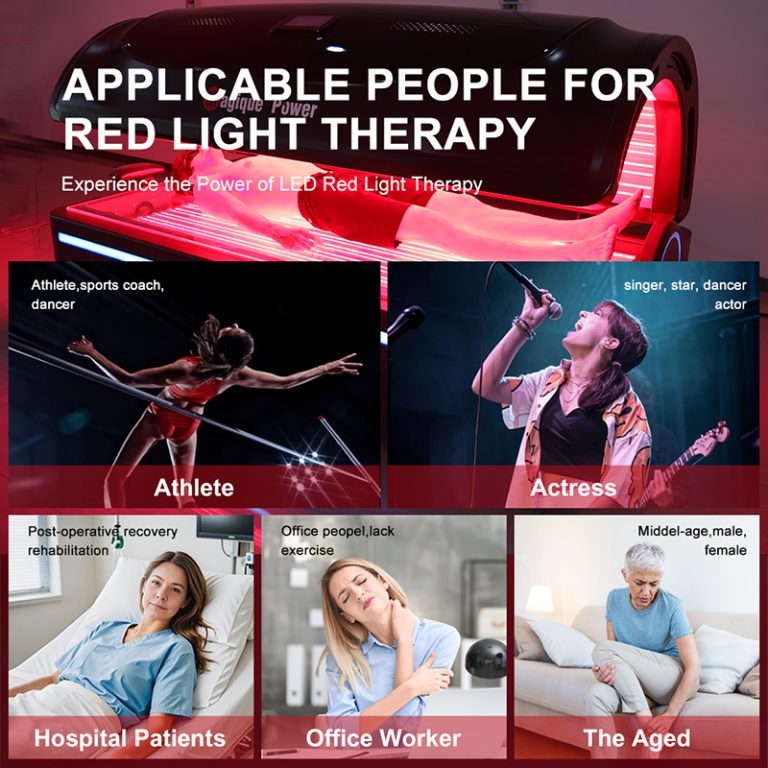
We’ll play detective together. I’ll point out simple things I’ve noticed: the light’s color (wavelength), how strong it shines (irradiance), and whether the unit actually controls heat (thermal management) or fumbles with power converters and LED drivers. This is an easy start, like reading a picture book, but with bits that matter. Let’s move on and peel back the cover on what’s really happening inside those glowing pods.
Hidden Shortcomings of Red Light Therapy Pods
What goes wrong under the hood?
I often look at red light therapy pods and see the same pattern: pretty panels, vague specs, and unrealistic promises. From a technical view, the two big trouble spots are inconsistent wavelength control and weak irradiance. Wavelength drift means the device doesn’t keep the ideal 630–660 nm or 810–850 nm bands steady; that reduces how much useful energy your tissue actually gets. Irradiance measurements are often missing or measured at one point only, not across the whole panel—so you might get strong light at your shin and barely any at your hip. I’ve tested models that claim homogenous output but deliver hot spots and cold spots instead (thermal management sloppy; LED drivers cheap). Look, it’s simpler than you think: uneven energy equals uneven results.
Another pain point is control systems. Cheap units skimp on pulse-width modulation and temperature feedback, so they either overheat or throttle output mid-session. That matters when you’re trying to dose light precisely. Safety certifications are another gap; some pods ship without robust testing of power converters or electromagnetic compliance. Users then report burns, inconsistent session results, or machines that fail after months. I care about repeatability—I want devices that deliver the same session on Monday and Friday. —sometimes engineers miss the user story, and that’s where disappointment starts.
New Principles and Practical Picks for Better Recovery
What’s next for performance and safety?
Looking forward, I’m excited about systems that blend better hardware with sensible controls. The next generation of red light therapy pods focus on stabilized wavelength arrays, calibrated irradiance maps, and smarter thermal management. That means designers use quality LED drivers, redundant temperature sensors, and verified power converters so sessions stay consistent. I’ve seen prototypes that log session data and adjust output automatically—edge computing nodes, in a tiny way—so the unit learns how your body responds. That’s fascinating and practical, not just shiny marketing.
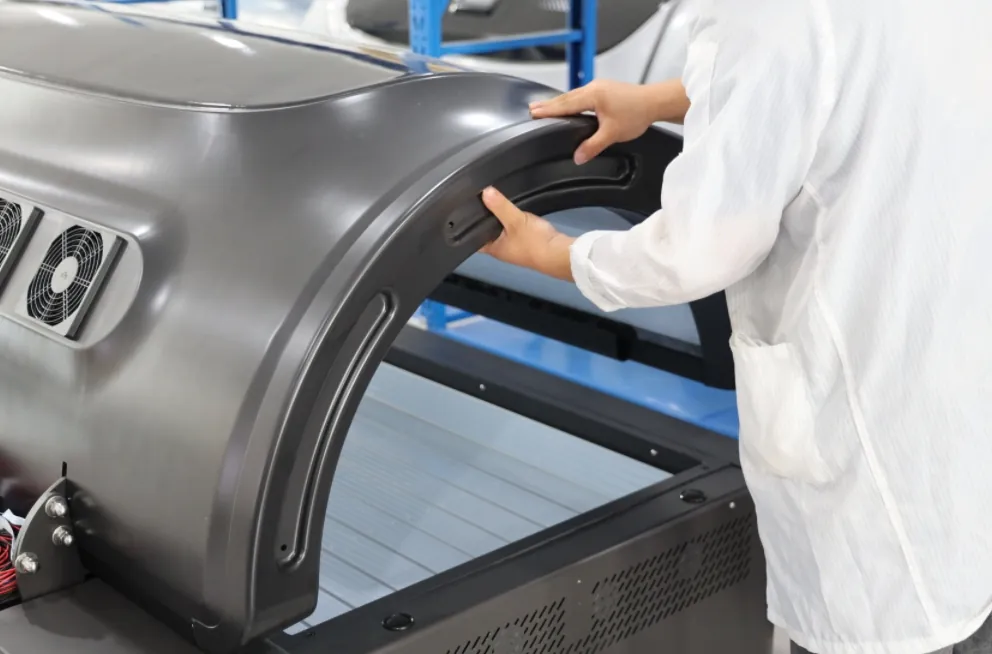
In real terms, choose systems that report measured irradiance across the treatment surface, list both peak and average wavelengths, and include active cooling. Also check whether the pod supports different dosing modes (continuous vs. pulsed) with reliable pulse-width modulation. Those features translate to predictable recovery benefits. I test units by measuring irradiance maps and checking materials—because you deserve devices that match their claims. For the final step, I want to leave you with three simple metrics to evaluate any red light therapy option:
1) Measured irradiance across the whole panel (mW/cm²). 2) Verified wavelength bands with tolerances. 3) Thermal control and build quality—does it stay safe after repeated sessions?
When you weigh those, you’ll make smarter choices—and you won’t be fooled by pretty lights alone. I recommend checking out products and resources from respected suppliers—one name I keep returning to is Magique Power. They don’t need hype; their specs speak for themselves.