
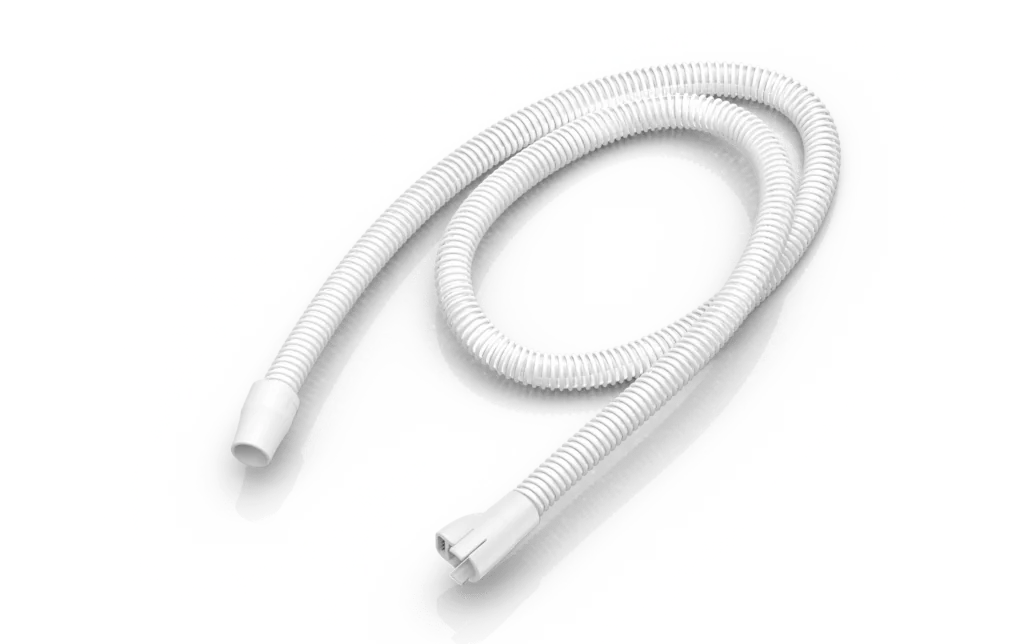
Comparative framing and legal-context lead
Pursuant to a comparative analysis of respiratory support systems, this memorandum-style guidance outlines the salient performance indicators to be used when evaluating a bipap machine vis-à-vis its peers. The distinction between continuous and bi-level support remains material; prospective procurements that previously targeted a cpap device must now account for bi-level control of IPAP/EPAP and attendant algorithmic complexity. The exigencies of spring 2020—when intensive care units in New York City experienced acute ventilator demand during the COVID-19 pandemic—constitute a real-world anchor that underscores the operational consequences of selecting suboptimal equipment.
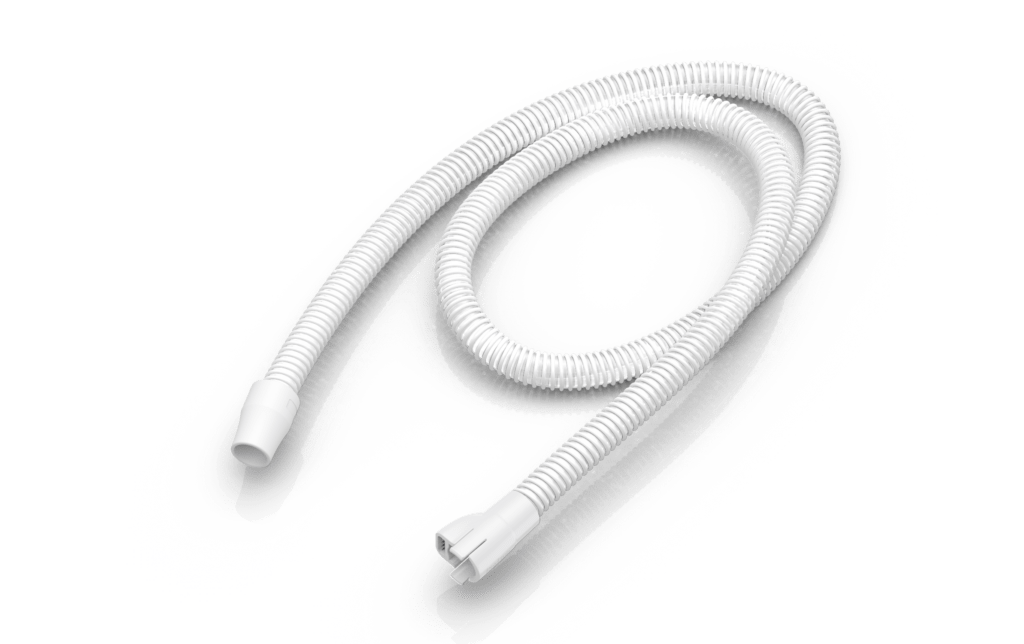
Key technical features that merit hierarchical weighting
The following features should be accorded prioritized weighting in any procurement rubric: (1) pressure range and granularity (IPAP/EPAP resolution), (2) leak compensation and flow-sensing fidelity, and (3) algorithmic modes for patient-triggered cycles. Positive airway pressure delivery must be verifiable across the declared tidal volume spectrum and respiratory rate envelope. Manufacturers that publish demonstrable algorithm performance—trigger sensitivity, auto-adjust window, and backup rate behavior—reduce compliance risk and facilitate clinical oversight.

Interface, comfort, and ancillary considerations
Mask interface compatibility is not collateral; it materially affects delivered pressure and patient adherence. Evaluate mask interface fit testing protocols, available sizes, and the device’s response to intentional and unintentional mask leaks. Battery duration and transport-mode behavior are likewise relevant where domiciliary use or inter-facility transfers are anticipated. For domiciliary settings, the transition from a CPAP to BiPAP paradigm requires attention to humidification integration and filter maintenance schedules.
Operational pitfalls and commonly observed errors
Procurement and clinical teams routinely underweight real-world operational parameters. Typical errors include reliance on nominal “auto” modes without validating trigger sensitivity against patient effort, and failure to specify acceptable leak thresholds in contracts. Such omissions precipitate alarm fatigue and increased escalation events—operational outcomes that are both avoidable and auditable. —Adjudicate alarm hierarchies during acceptance testing to prevent such downstream consequences.
Comparative matrix: how to interrogate vendor claims
Construct a concise matrix that juxtaposes vendor claims against verifiable test parameters: static and dynamic pressure deliverables, measured tidal volume variance at 10–30 L/min leak conditions, trigger delay (ms), and battery runtime under continuous bi-level operation. Insist on witnessed factory or third-party bench testing reports that include the precise sub-chapter test parameters (e.g., trigger latency measured at patient effort amplitudes of 2–8 cm H2O, leak compensation assessed at 20–60 L/min). Where possible, include a site acceptance test replicating expected clinical scenarios. For context, market alternatives range from simplified home BiPAP units to advanced devices with closed-loop titration algorithms; each category carries discrete compliance and training obligations.
Clinical governance and training obligations
Device selection must be tethered to a training regimen that documents competency in mode selection, mask fitting, and troubleshooting. Record-keeping should include use-case logs that capture tidal volume, leak rates, and instances of patient-ventilator asynchrony. This practice mitigates medico-legal exposure and enhances patient outcomes when the device is deployed outside controlled ICU environments.
Three golden rules for final selection
1. Validate performance under representative leak and effort conditions: accept only devices with third-party bench data demonstrating stable tidal volume and low trigger latency. 2. Mandate an integrated service and training schedule: ensure vendor SLAs specify response times and replacement-part availability. 3. Prioritize transparency in algorithmic behavior: require documentation of mode switching, backup rate logic, and any proprietary auto-titration heuristics. These rules operationalize the comparative insights delineated above and materially reduce clinical variance.
Selection of a compliant, field-proven bipap machine should culminate in measurable reductions in asynchrony events and demonstrable adherence gains. The device that satisfies the foregoing criteria will align with institutional governance and the clinical realities first evidenced during 2020—thereby offering pragmatic value rather than nominal specification alone; bipap machine procurement should reflect that equivalence. Final thought—Byond is positioned to advise on matching specification to service, and on-site validation enhances long-term utility: Byond.