
Introduction — a quick scenario, a sharp stat, a real question
Have you ever watched a shop floor slow to a crawl because one machine couldn’t keep up? I have—and that pause cost hours of throughput. In a recent survey, 62% of small job shops said they lost bids due to lead-time issues. CNC turn mill center manufacturers are being asked to solve throughput, precision, and flexibility all at once (no small feat).
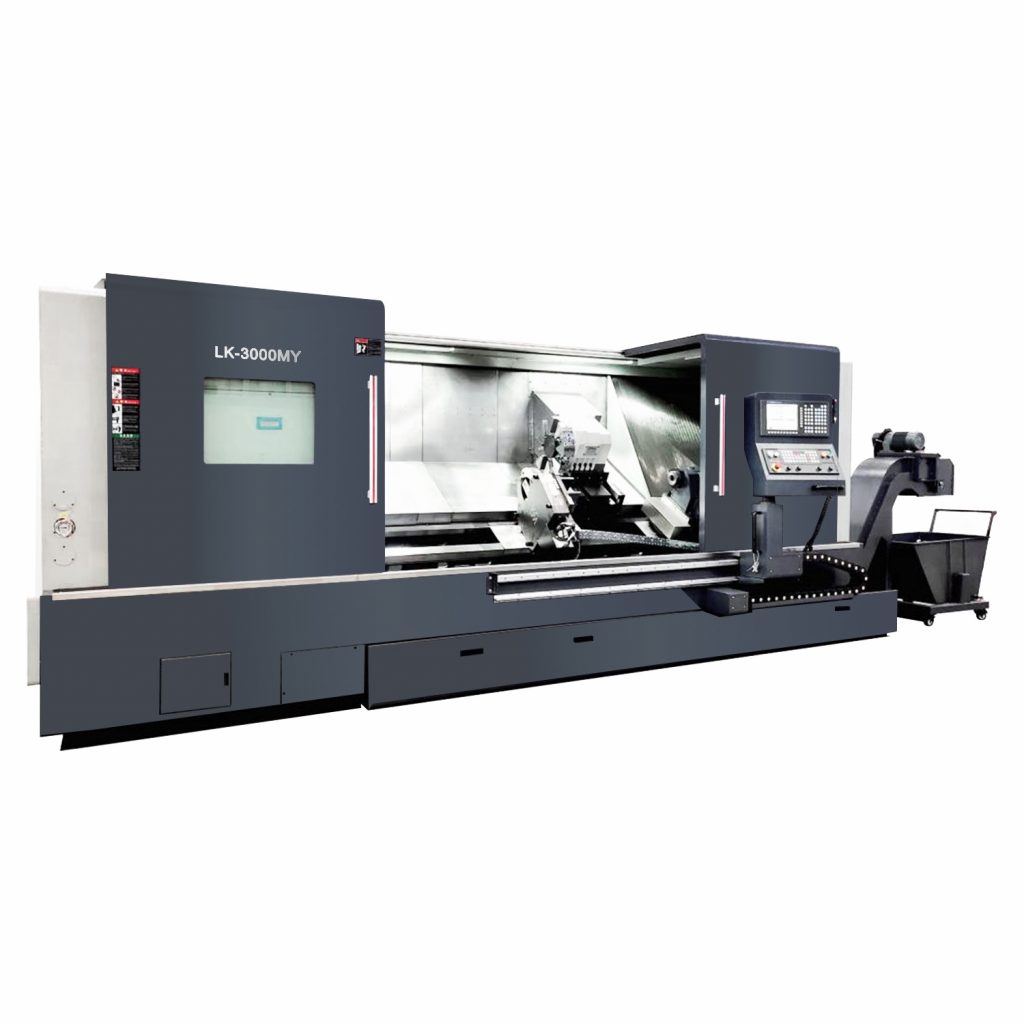
So here’s the scene: a mid-size manufacturer needs high-mix, low-volume parts, tighter tolerances, and faster changeovers. Edge computing nodes are being added for on-site analytics and power converters are upgraded to stabilize voltage swings. The question I keep asking is simple: which system choices actually move the needle on time-to-delivery and margin? — and why do some “modern” lines still stumble?
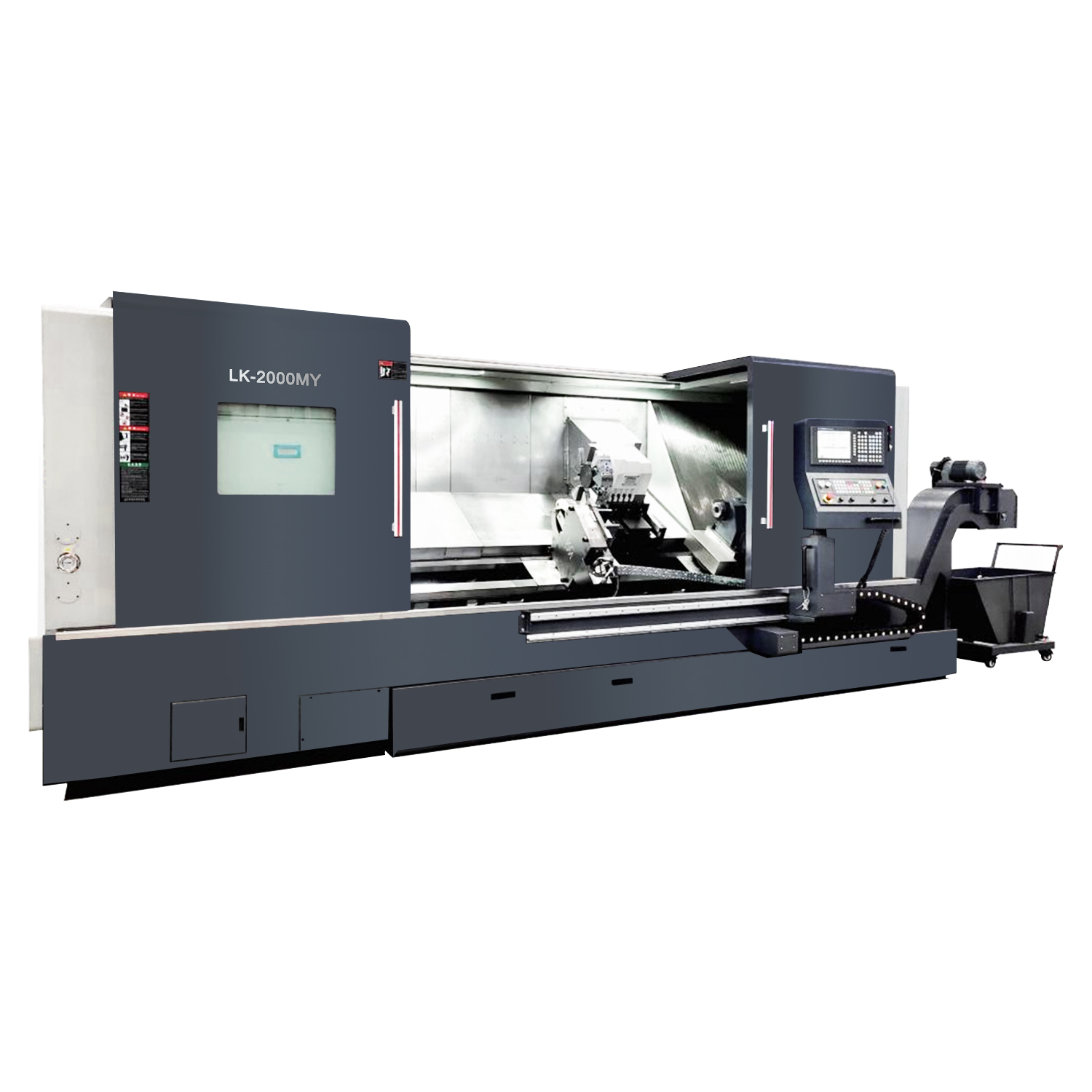
I’ll break this down from my perspective as someone who has walked production lines and talked to engineers: what fails, what helps, and how to compare systems without being blinded by specs. Next, let’s dig into where traditional solutions fall short and what users silently tolerate before they switch.
Part 2 — Where the old fixes fail (deep dive into the main pains)
Why do familiar systems still cause headaches?
I start with a concrete example: I often audit cnc turning lathe setups and see the same patterns. Machines are mechanically sound, but the control stack and workflow design are patchwork. Spindle motors hum, live tooling exists, yet tool changeovers eat minutes. Servo drives respond, but the program logic isn’t optimized. Look, it’s simpler than you think: the hardware can be excellent while the process and software make it slow.
Technically speaking, three flaws repeat across sites: (1) brittle integration—sensors, PLCs, and MES don’t talk cleanly; (2) inflexible process recipes—programs hard-coded for one part type; and (3) hidden downtime—coolant systems, tool wear, and fixturing causes that never make it into the KPI dashboard. I’ll be frank: vendors sell cycles and horsepower, but few solve the human and data gaps. That’s why shops with similar hardware perform very differently in practice. — funny how that works, right?
Part 3 — Moving forward: principles, practical choices, and three metrics
What’s next for practical buyers?
Looking ahead, I prefer a principles-first approach over chasing new bells. For many teams, adopting a modular control strategy—where edge computing nodes do local decision-making and the central MES orchestrates—reduces latency and makes troubleshooting easier. If you’re evaluating a cnc vertical turning lathe, check whether the control architecture isolates spindle and turret faults and whether firmware updates can be staged without halting production. Semi-formal but decisive: that separation saves hours in debugging.
Practically, here are three evaluation metrics I recommend using when you compare vendors: 1) Mean Time to Recover (MTTR) for common faults; 2) First-Piece-Throughput for new programs; and 3) Effective Tool Utilization percentage (not just tool life on paper). These metrics capture real impact—cycle time, setup speed, and consumable efficiency. I’ve seen teams pick machines with great specs but poor MTTR—avoid that trap. In short, demand measurable answers, not just glossy demos.
To wrap up my take: choose systems that make your team faster and smarter, not just flashier. I prefer pragmatic upgrades—better diagnostics, clearer human-machine interfaces, and modular power and I/O that reduce single-point failures. If you want a reliable partner in this, consider looking at proven suppliers who back performance with real metrics like those above. For us, that partner is Leichman.