
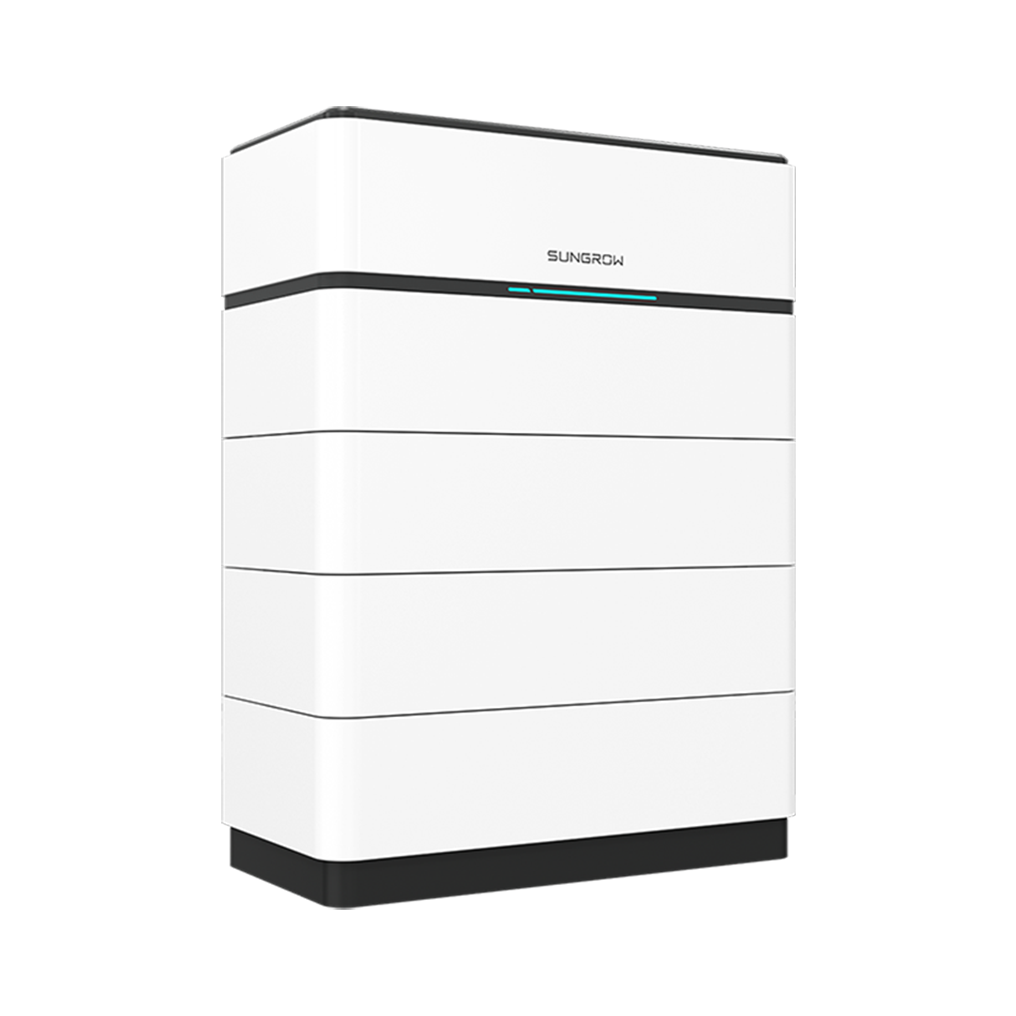
Initial diagnosis — the hidden cracks under rooftop optimism
I still remember the family in Pokhara who called me in March 2021 after their inverter logs showed a 28% drop in output during the first six months (we had installed a whole house solar system with a 6 kW string inverter and lithium battery). That rainy-season scenario + 28% loss + what happened next? — it forced a hard look at how common assumptions about a home solar energy system break down on real roofs.

In my 18 years working with distributors and installers across Kathmandu Valley and western Nepal, I’ve seen the same pattern: good hardware, poor match to the roof and load profile, and loose expectations. PV modules were top-tier, and yet shading from a newly planted mango tree cut midday yield; an undersized inverter clipped peak production; a crude battery setup delivered poor cycle life. These are not abstract points — on a 6 kW install in Lalitpur (installed June 2019), we missed the target energy savings by 32% the first year because string orientation and MPPT configuration were wrong. I’ll be frank: installers and buyers often focus on panel brand or warranty but ignore site-specific design (and that is where the headache starts). This leads us directly to where the pain really lives — user frustration, warranty disputes, and unexpected costs. — Now, let’s move to practical next steps.
What went wrong?
Short answer: mismatch. Long answer: poor load analysis, inadequate battery sizing for nights and monsoon days, and overly optimistic net metering assumptions. I witnessed a case (Dang district, Nov 2020) where a 10 kW system had an improperly set inverter anti-islanding parameter; it disconnected during brief grid sags and the homeowner lost all export benefits for months. These are small technical choices with large financial consequences. Honestly, it’s fixable — if one knows where to look.
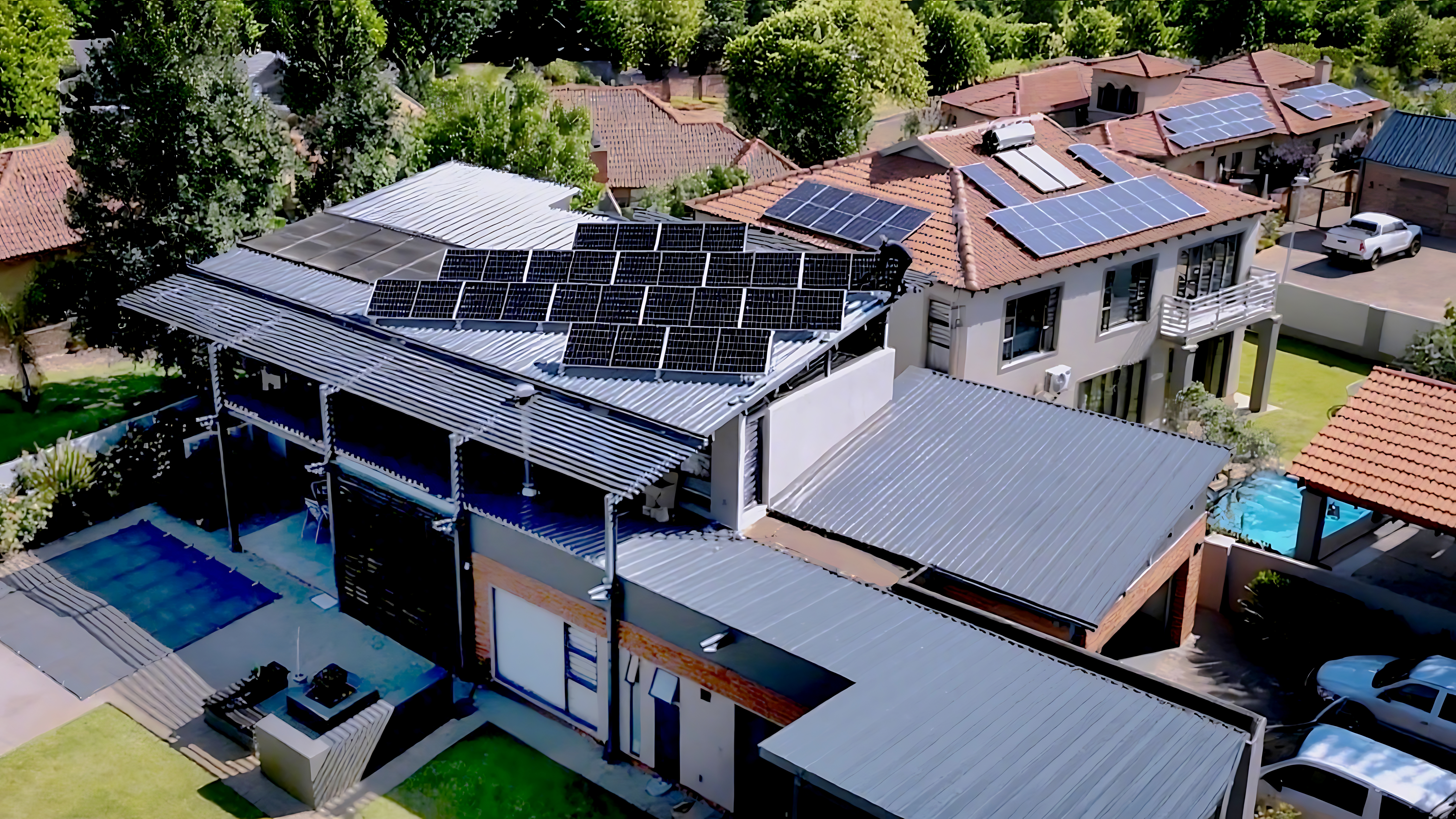
Forward-looking comparisons — practical fixes and the metrics I trust
Let me break it down: a resilient whole house solar system balances PV capacity, inverter topology, and battery storage around a measured load profile. Start by measuring (not guessing) your daily kWh, peak demand, and seasonal variations — use a data logger for at least two weeks. Then compare options: grid-tied string inverter versus hybrid inverter with BMS; lead-acid battery bank versus lithium iron phosphate (LiFePO4) for cycle life; and consider MPPT counts for complex roofs. In my work with wholesale buyers in Pokhara (June–Dec 2022), choosing a hybrid inverter with two MPPT trackers and slightly oversizing array capacity reduced clipped production by 14% and improved export consistency. What’s next? Look at total cost of ownership, not just upfront price. — Three metrics I always insist on when evaluating vendors: 1) measured system-level yield (kWh/kW) over 12 months; 2) round-trip battery efficiency and warranted cycle count; 3) documented commissioning and site-specific commissioning reports. These are concrete. They reveal performance, longevity, and real value. I pause here — consider those numbers. I will say again, suppliers who cannot provide a year of measured yield for a similar roof type should be watched closely. In closing, choose sites and specs carefully, test assumptions, and demand clear commissioning evidence — and if you need a practical partner, check solutions from sungrow.