
Introduction: A Quiet Moment Before the Machines Wake
Have you ever watched a factory floor settle into a rhythm—machines humming, lights steady—and wondered which tiny part keeps that calm? I have. In many setups the motor controller is the unsung hero; it quietly decides whether systems run smooth or drift into chaos. Data shows that small timing errors or inconsistent torque can reduce uptime by up to 15% in medium-scale plants, and that makes me ask: are we chasing specs or real reliability?
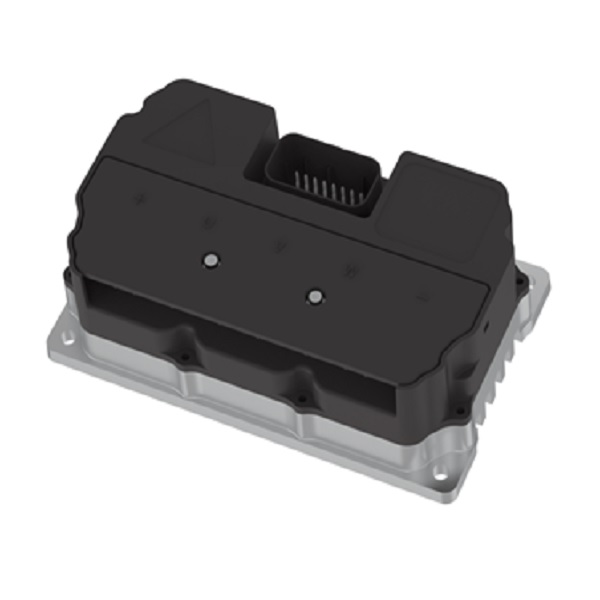
I like to think of the motor controller as the conductor of a small orchestra (sensors, drives, belts), and yes—I get a bit protective about it. The point is simple: predictable control often matters more than flashy performance numbers. This piece looks past glossy brochures and digs into what actually fails in the field—and what to look for next. — funny how that works, right?
Part 2 — What Traditional Systems Miss (and Why Users Notice)
ac motor speed controller is often marketed on peak horsepower or top-end RPM, but those figures hide a messy truth: real-world loads change, sensors drift, and simple PID loops can’t always keep up. I’ve seen units that promised tight speed regulation but fell short when variable torque demands and supply fluctuations appeared. In short: traditional designs emphasize nominal specs over robustness.
Let me get specific. Older controllers rely on open-loop assumptions or basic PWM schemes that ignore transient effects. When a conveyor jerks or a motor warms up, you get overshoot, hunting, or delayed settling. Users feel this as inconsistent throughput, unexpected downtime, or extra maintenance calls. For maintenance teams, that inconsistency is a constant headache—required troubleshooting drains time and morale. Look, it’s simpler than you think: it’s not just about raw power; it’s about control strategy and real feedback.
Where do things break down?
Sensorless control schemes can save cost but lose precision under low speed. Field-oriented control (FOC) improves torque performance but needs good current sensing and processing. Power converters and inverters need clean switching to avoid EMI that trips other systems. These are technical trade-offs that manufacturers often underplay. I’ve walked through plants where a single undervalued component—say, a weak current sensor—created cascading faults across drives. That’s the hidden pain users live with every day.
Part 3 — New Principles for Better Electric Motor Outcomes
What if we stop optimizing for the spec sheet and start optimizing for resilience? I want to outline a few emerging principles that actually change outcomes. First: move from fixed-gain controllers to adaptive control loops that tune themselves when the load changes. Second: bring diagnostics into the loop—edge computing nodes or local analytics that flag drift before it becomes an outage. Third: design for graceful degradation so a system can limp to safety instead of failing hard.
These ideas are not sci-fi. Modern inverters and control stacks combine sensor fusion, torque control strategies, and smarter PWM patterns to keep things steady. When you pair that with predictive maintenance—simple vibration checks, current harmonics analysis—you cut surprises. I’ve worked on installations where swapping to smarter control logic reduced fault trips by a clear margin. — and yes, the savings show up on the next quarter’s ledger.
What’s Next?
For teams choosing solutions, consider how a product supports long-term operation: does it allow firmware updates, data export for analysis, and modular upgrades? Also, look for suppliers that test under messy, real-world conditions, not just in glass-box labs. I believe the future of durable motor control lies in systems that respect the unpredictable nature of real plants.
At a practical level, if you care about uptime, you’ll want to evaluate new electric motor solutions in context—load variability, maintenance skills on site, and total cost of ownership. My advice: don’t be dazzled by top-line numbers; dig into how a controller behaves when things go wrong. — funny how that works, right?
Closing: Three Metrics I Use When I Evaluate Controllers
I’ll leave you with three clear, usable metrics I trust when comparing motor controllers. They keep decisions grounded and measurable.
1) Operational Stability: measure settling time and overshoot under realistic load steps. Less hunting and smaller overshoot mean fewer stoppages.
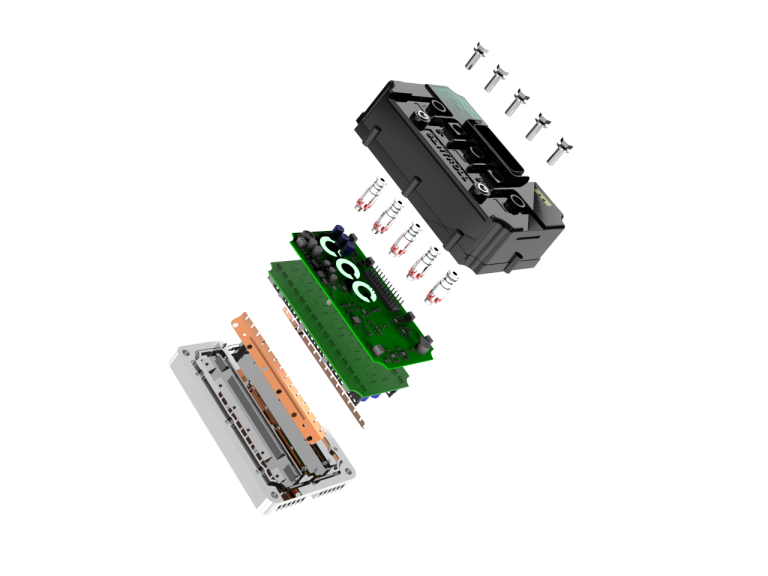
2) Diagnostic Bandwidth: can the controller report current harmonics, temperature trends, and phase imbalance? Good telemetry prevents surprises.
3) Upgrade Path & Support: firmware updates, modular hardware, and accessible documentation. If a system can evolve, it will outlast competitors.
If you run these checks, you’ll move from buying hype to buying resilience. I’ve tested this approach across several plants, and it works—consistently. For practical, tested options and more technical detail, check the vendor pages and libraries of trusted suppliers like Santroll. I stand by the view that steady, measurable performance wins in real settings every single time.