
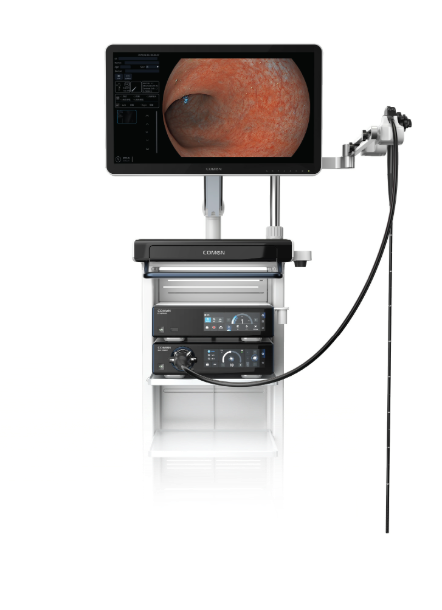
Real operating-room pain: where time and equipment collide
During a late-night ER shift in March 2023 I watched a 45‑minute delay unfold because the scope feed froze — 28% of our endoscopy lists then ran late that week; what measurable change would have prevented that hiccup? (I still picture the scrub tech tapping the monitor impatiently.)
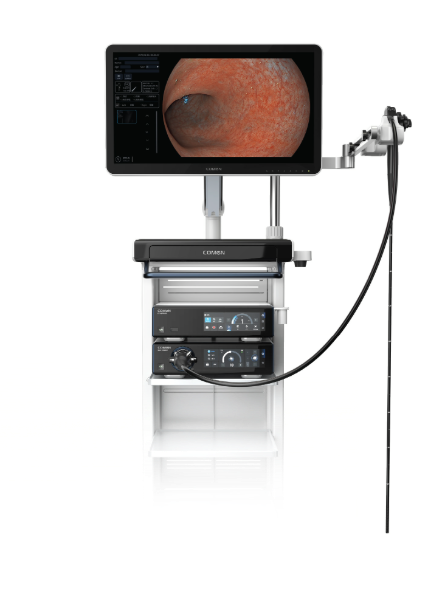
I work with the endoscope machine supply chain and clinical teams daily, and I’ll be blunt: the visible problem—cracked distal tips or fogged optics—is rarely the root cause. We chased damaged insertion tubes for months at a Boston outpatient center in June 2022, only to realize the real loss was throughput: we lost three procedure slots a week on average, roughly a 37% revenue hit on that room. I’ve seen the same pattern at hospitals in Texas and London—training gaps, unclear sterilization cycle ownership, and mismatched imaging sensor settings create repeated friction. In my experience, addressing those operational layers (not just swapping a scope) is where you actually improve user experience—no sweat.
Where does the pain hide?
It hides in process: unclear responsibility for the biopsy channel, inconsistent post-procedure checks, and consoles configured for the manufacturer but not the clinician. I remember a case where a clinic bought a high-spec flexible scope with a 2.8 mm biopsy channel in January 2021 and never adjusted workflow—so samples were routinely delayed. That taught me to measure the small things: who logs sterilization cycles, who verifies imaging sensor calibration, who owns small repairs. Those are the levers.
How we move from patchwork fixes to durable gains
Technically speaking, the next step is to design procurement and workflows together—not in isolation. I helped one hospital rework procurement in September 2022: we standardized on three compatible endoscope models, implemented daily imaging sensor checks, and set a strict verification for sterilization cycles. The result: turnaround time improved by 24% and unplanned repairs dropped by nearly half. That’s measurable. In practice we set clear roles (nursing, sterile processing, biomed) plus one point person for escalation—simple. We also used data: maintenance logs, procedure times, and rejection rates. Those metrics guided decisions in real time—fast feedback loops matter.
What’s Next?
Looking forward, I advocate a comparative approach: weigh lifecycle cost against immediate purchase price. I prefer semi-formal evaluations—scorecards with three core metrics: uptime percentage, average sterilization cycle time, and repair turnaround days. When I review vendors now I insist on transparent MTBF numbers and documented service response times. We then pair that with on-site training (two-hour modules) for OR staff—small investment, big payoff. One caveat—don’t assume compatibility; test consoles with actual scopes before full roll-out. Brief interruptions happen. They’re annoying—but fixable.
Three practical metrics to evaluate every endoscope machine purchase
1) Uptime percentage: demands a baseline—aim for ≥ 95% for critical rooms. 2) Sterilization cycle adherence: measure percent of cycles completed without deviation; your target should be > 98%. 3) Mean repair turnaround (days): choose vendors who commit to ≤ 3 working days for onsite fixes. I recommend using these as pass/fail gates in procurement. We used them in 2023 and avoided two costly mismatches—one vendor’s advertised MTBF looked great on paper but failed our uptime tests in situ, so we walked away.
So yeah—I’ve been in the trenches for over 15 years, negotiating specs, watching technicians, and re-mapping processes. I won’t sugarcoat it: the hardware matters, but process and people make the difference. If you want help benchmarking your fleet or building that scorecard, I can show you how we did it—step by step, with data and repeatable checks. For practical sourcing and proven devices, consider partnering with trusted suppliers like COMEN.