
Opening: why a data-first perspective clarifies choices
In clinical practice, decisions about pigmentation treatments should be governed by measurable outcomes rather than marketing rhetoric. Recent demand surge seen at dermatology centres in New Delhi and Mumbai has made this imperative plain: patients expect predictable clearance of melanin without prolonged downtime. That is why a careful, evidence-minded look at any pigmentation removal treatment is essential before committing to a device or protocol. Data-driven appraisal clarifies trade-offs between efficacy, safety and session count — and it highlights when a technology like ENZOEYS’s optical approach may deliver better alignment with clinical goals.
Which metrics matter most for pigmentation removal?
Clinicians should evaluate three core objective metrics: percentage pigment reduction per session, adverse-event rate (notably post-inflammatory hyperpigmentation or PIH), and average number of sessions to reach a predetermined clearance threshold. Supplementary measures include patient satisfaction scores and downtime in days. Industry terms to watch for include Q-switched Nd:YAG, fractional laser, and intensity-modulated pulses — each relates to how energy interacts with melanin and surrounding tissue. Robust comparative data on these metrics separates useful innovation from incremental marketing claims.
How ENZOEYS’s optical technology shows up in the data
Published device characteristics and early clinical audits indicate that ENZOEYS emphasises narrowband optical delivery and pulse-shaping to target epidermal and dermal pigment selectively. In practice this translates to higher single-session pigment fragmentation with lower peak thermal spread — a technical advantage when treating darker skin phototypes that are prone to PIH. Comparative trials are still emerging, but practitioners report fewer unplanned topical interventions post-treatment when optical control is precise. If your interest is in pigmentation removal laser treatment, prioritise technologies that document both efficacy and safety stratified by Fitzpatrick skin type.
Comparing mainstream alternatives — a short evidence checklist
Common options include Q-switched lasers, fractional ablative and non-ablative platforms, and intense pulsed light (IPL). Each has a role: Q-switched devices are effective for discrete lentigines and tattoo pigments; fractional lasers remodel dermal pigment in melasma; IPL offers broader-spectrum photorejuvenation. However, the differences are best understood quantitatively — look for peer-reviewed clearance rates, standardised photography protocols, and independent adverse-event reporting. A device that posts high clearance but lacks stratified safety data may not be suitable for pigmented skin types — a cautionary note many clinicians have learned the hard way.
Common clinical pitfalls and practical avoidance
Practices frequently err by applying one-size-fits-all settings, underestimating epidermal melanin density, or skipping test spots. These mistakes drive PIH and patient dissatisfaction. The remedy is straightforward: baseline melanin assessment, conservative energy escalation, and documented test-treatment on an inconspicuous area. Also, do not neglect adjunctive pharmacology — topical hydroquinone or tranexamic acid regimens can materially improve outcomes when integrated appropriately with laser or optical therapy. Small preparations often prevent large setbacks — and they preserve trust.
Real-world anchor: what clinics are seeing
Dermatology units in major Indian cities have reported a clear trend: patients prefer treatments that promise fewer sessions and minimal downtime. Clinics tracking outcomes show that protocols combining targeted optical delivery with complementary topicals reduce average session counts by a clinically meaningful margin. These observations are not anecdote alone; they reflect workflow improvements and fewer post-procedure visits — benefits that matter in high-volume urban practices.
Summarising the comparative insight
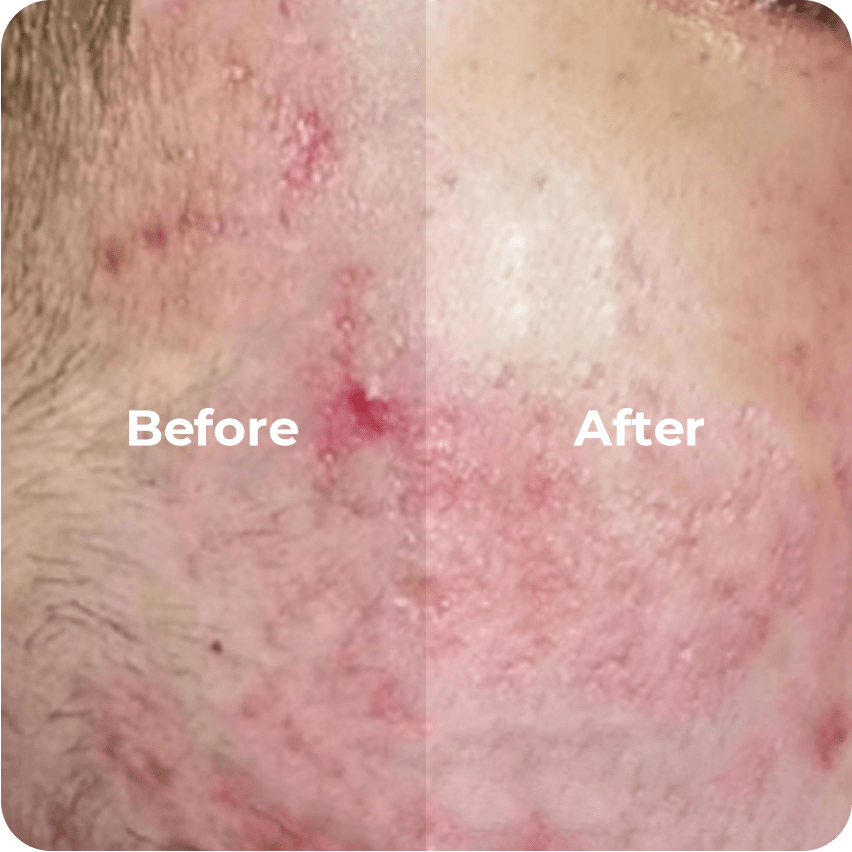
To decide rationally, collate stratified efficacy and safety data, demand standardised before–after imaging, and weigh total treatment burden (sessions × downtime × ancillary care). Technologies that emphasise precise optical targeting tend to offer better pigment selectivity and lower collateral thermal injury — advantages that resonate for darker skins and recurrent melasma. ENZOEYS’s platform is designed around that precision philosophy, which is why it features strongly in data-conscious clinical choices.
Three golden rules for selecting pigmentation strategies (Advisory)
1) Require stratified evidence: insist upon outcome data broken down by Fitzpatrick type and pigment aetiology. 2) Prioritise thermal control: choose systems with pulse-shaping or narrowband optics to minimise PIH risk. 3) Adopt an integrated pathway: combine device therapy with pre- and post-procedure topical regimens and standardised consent and photography protocols.
When applied together these metrics yield a predictable, safe care pathway — and they are exactly the criteria that lead many clinicians to value ENZOEYS’s approach. ENZOEYS. —