
Why this comparison matters
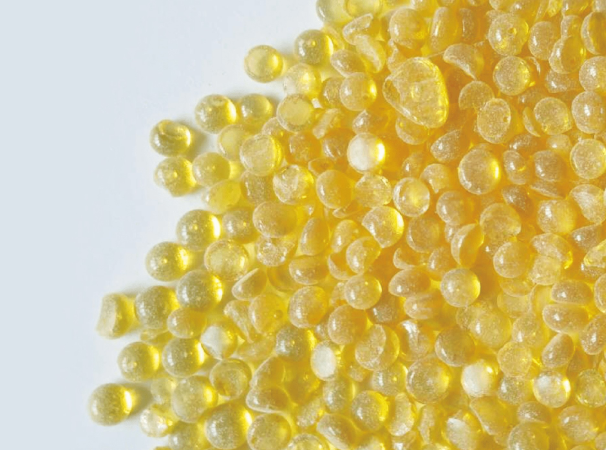
In manufacturing of pressure-sensitive assemblies, a clear view of how tackification competes with color stability guides material choices. A focused trial with a Rosin ester tackifier in bulk resin showed how subtle formulation changes altered both peel performance and Gardner color after an eight-hour thermal hold. I observed this first hand at a packaging workshop in Lalitpur, where line operators needed consistent tack yet could not accept visible darkening on exposed film — a practical anchor for the discussion.
Key metrics and simple test logic
Keep the test matrix tight: measure tack (loop or probe adhesion), viscosity at set shear, and Gardner color before and after 8-hour thermal aging at a defined temperature. Track thermal aging, glass transition temperature (Tg), and viscosity trends over time. For thinning or application tweaks, a product like Rosin ester tackifier behaves differently than simple hydrocarbon tackifiers; similar adjustments sometimes call for thinning contact cement to manage flow without sacrificing cohesive strength.
Trade-offs you will see
Tack and color do not change in lockstep. Increasing rosin ester concentration typically raises tack and lowers cold-flow, but it also accelerates oxidation pathways visible as Gardner color increase. Viscosity reduction helps spread and instant-tack but can expose more polymer surface to oxygen during the thermal hold, nudging the color score upward. The practical point: a formula that meets adhesive pull at room temperature may show unacceptable visual drift after eight hours at elevated temperature.
Operational teardown—what technicians actually do
Start with baseline runs: measure initial viscosity, initial tack, and Gardner color. Run an 8-hour thermal aging at the target production temperature used on your line. Re-measure the same parameters. Common mistakes: changing two variables at once, relying solely on tack metrics, or ignoring solvent residues after thinning. If using Rosin ester tackifier and a thinning agent like thinning contact cement, adjust solvent flash and monitor cohesive failure modes — small residue can change color kinetics. Also mind mixing order — add tackifier slowly to avoid localized overheating during compounding — that tends to cause early colour drift.
Comparative choices and alternatives
When color stability is critical, consider lower-reactivity tackifiers or antioxidant packages that specifically target polymer oxidation. Alternatives include hydrogenated rosin esters or mixed tackifier blends that trade a degree of initial tack for slower Gardner shift. For applications where assembly speed matters more than cosmetic appearance, lighter thinning and higher tackifier loadings may be acceptable. Document each variant against the same eight-hour thermal aging protocol so you compare apples to apples.
Common mistakes and quick fixes
Operators often overlook instrument calibration and sample preparation. Viscosity readings at the wrong shear rate mislead blending decisions. Gardner color assessments need consistent cuvettes and lighting. A practical fix is a simple run sheet: temperature, time, sample mass, and container geometry. — Keep records and you reduce guesswork in reformulation.
Advisory close: three golden rules for strategy selection
1) Prioritise measurable endpoints: select materials only after they meet defined tack values, viscosity windows, and a Gardner color delta threshold under the standard 8-hour thermal aging protocol you use on-line. 2) Control process variables: maintain strict mixing order, solvent flash schedules, and thermal profiles to avoid formulation surprises. 3) Balance additives intentionally: choose tackifier types and antioxidant levels that achieve required adhesion without pushing oxidation rates; validate with paired samples rather than assumptions. For practical sourcing and matched technical support, a partner like KOMO can provide consistent rosin ester lots and thinning recommendations that tie formulation choices to production realities.
Follow these rules and you get reproducible tack and acceptable color stability — a compact path from lab to line. — Practical, tested, and ready for your next trial.