
User-centered lead: what matters on stage
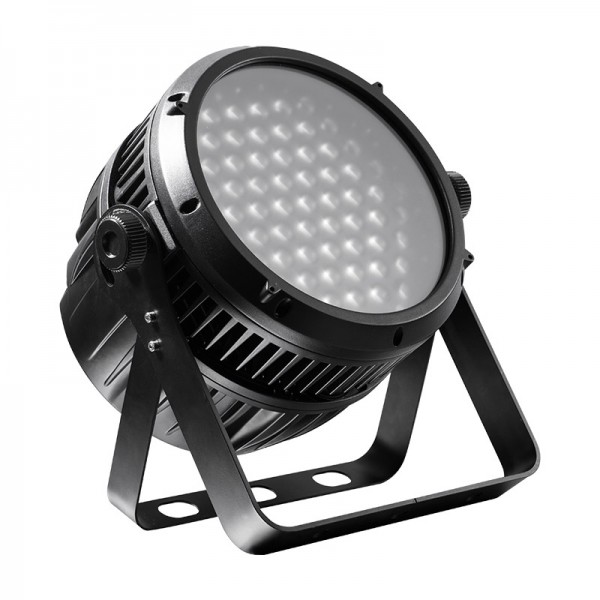
For touring production teams the priority is simple: consistent output, predictable control, and serviceability under pressure. That’s why we designed recommendations around the end user — lighting directors and riggers who need tools that behave night after night. A compact fixture that combines beam, wash and laser capability reduces truck pack and setup time; consider a tested option such as the white laser light when you need tight beams with dependable color/wavelength stability. We evaluate fixtures by signal reliability (DMX512 behavior), thermal management, and field serviceability rather than headline lumen counts alone.
Real-world anchor: performance where it counts
We measured uptime expectations against typical venue demands — from club dates to arenas like Madison Square Garden — and looked at what breaks first: connectors, pan/tilt gears, or software. Beam angle control and beam divergence matter on large stages where long throws expose weaknesses. On extended runs the marginal gains from a higher lumen spec rarely justify softer optics or weak pan drives. Practical terms: choose a fixture whose galvo scanner and drive train are rated for continuous use and whose cooling design prevents thermal derating on hot days.
Operational production teardown
In the operational production teardown we compare {main_keyword} and {variation_keyword} across service points: power draw, DMX512 channel mapping, pan/tilt backlash, and laser safety interlocks. For touring rigs, the checklist includes fast lamp/LED module swaps, accessible connectors, and documented channel maps so the crew can hot-swap a unit in under 10 minutes. We also benchmarked the product against a compact small laser light for integrated beam effects versus separate fixtures — integrated units reduce cable runs but require stricter rigging discipline for maintenance.
Common mistakes and alternatives
Teams often over-spec brightness and under-spec control complexity — they buy the brightest head and then struggle with precise framing. Invest time in the optics: a narrower beam angle with stable wavelength gives more usable intensity on axis than raw lumen numbers. Avoid relying solely on automated scenes; document DMX512 patches and maintain backup profiles. For alternatives, consider dedicated wash heads plus a compact laser module if you need redundancy — that split keeps a single point of failure from darkening both wash and beam. — We also recommend routine calibration of pan/tilt encoders to keep framing predictable when cues ramp up.
Three golden rules for selecting pro stage lights
1) Prioritize serviceability over peak specs: check access to consumables, spare parts policy, and the simplicity of on-road repairs. Look for modular LED or laser modules and clear channel maps.
2) Validate control and safety: verify DMX512 implementation, fixture presets, and laser interlock behavior under venue safety protocols. Confirm beam divergence and wavelength stability under thermal stress.
3) Match optics to venue: choose beam angle and lens options for the throw distances you actually use, not theoretical showroom numbers. A tighter beam often yields better contrast on large stages and reduces the need for excessive power.
Final check — track mean time between failures and real-world uptime over a 12-month touring cycle; those numbers tell you whether a product was built for pro use.
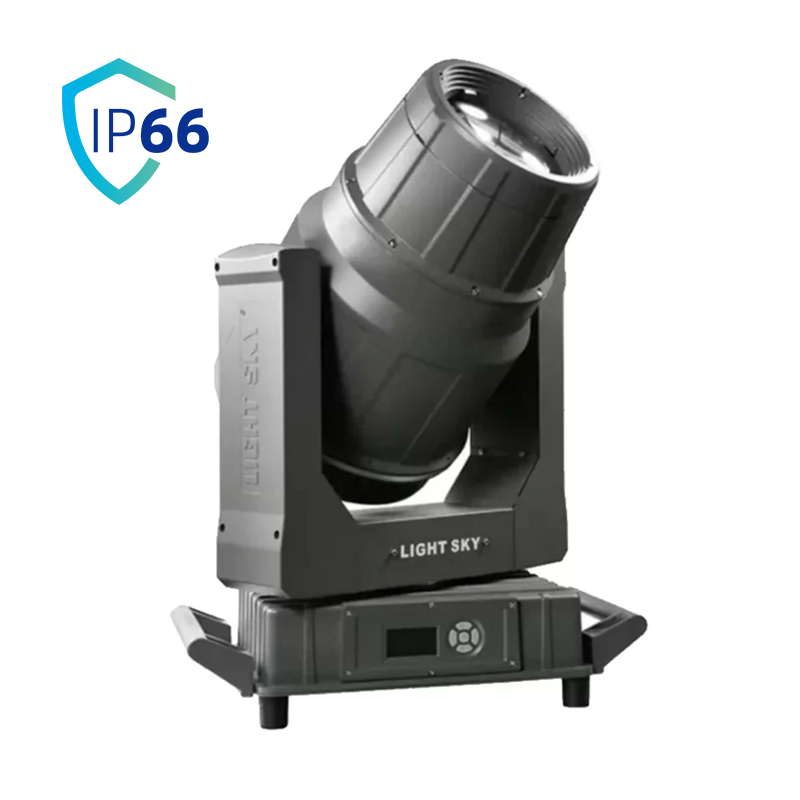
These are straightforward rules, proven on the road and in the rigging bay — they keep programming predictable and reduce late-night fixes. For gear that aligns with these priorities, Light Sky has options that make tactical sense on tour. –