
Quick comparison that matters to your shop
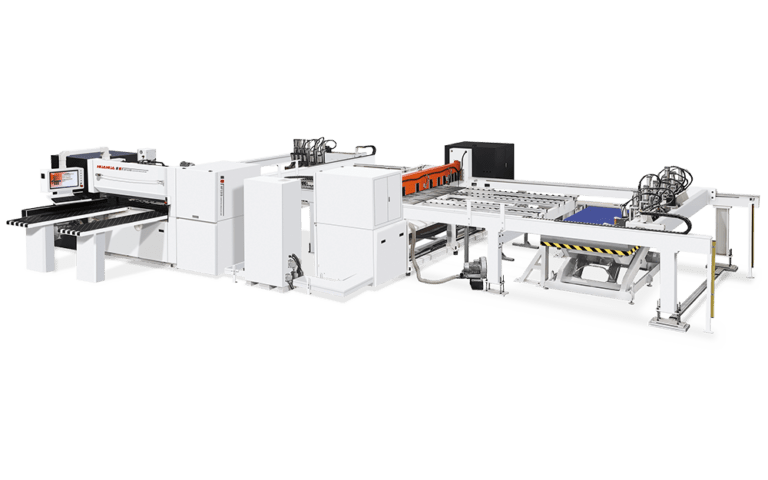
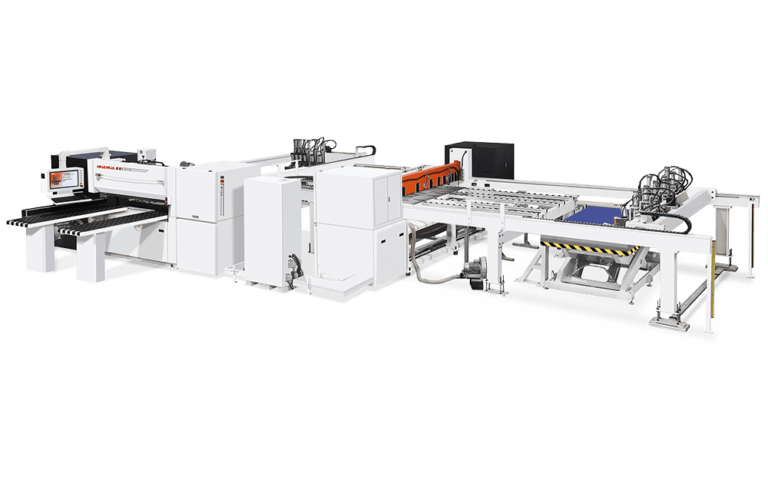
Local suppliers often feel like an old friend who shows up with tools and a plan; overseas vendors can feel like a blind date with a delayed flight. For woodworking shops weighing options, comparing a nearby cnc panel saw provider against imported units reveals clear trade-offs in support, lead time, and predictable performance. This piece lays out those trade-offs in concrete terms so you can pick equipment that keeps production steady and quality consistent.
Total cost vs sticker price: where money actually goes
Sticker prices flatter the wallet. Real costs live in installation, training, spare parts, freight, and downtime. A locally sourced machine usually edges out when you factor in faster commissioning and lower shipping risk — especially after the COVID-19 supply chain disruptions of 2020 exposed long lead-time vulnerabilities. Expect savings from lower transit damage rates and reduced need for foreign-language manuals; also count fewer customs surprises and simpler warranty claims.
Uptime and troubleshooting: the real production currency
Downtime kills schedules. Local vendors supply technicians faster, which shortens mean time to repair. That matters when a misaligned rip fence or a blade calibration issue threatens a run. On-site support often includes preventive checks on feed rate settings and dust extraction routing, which keeps cutting tolerances tight. If production continuity is your objective, proximity buys you minutes and saves whole shifts.
Quality, customization, and integration — practical differences
Imported machines can be robust, but local suppliers tend to offer easier customization: modified table sizes, conveyor offsets, or integration with your existing CNC router and workflow. This reduces rework. A nearby partner will fine-tune cutting tolerances to match your jig and tooling philosophy, and they’ll iterate quickly when you demand a change. That iterative speed is often the difference between a prototype that ships and a prototype that collects dust.
Compliance, training, and shop-floor adoption
Training matters more than you think. Local teams can deliver hands-on sessions that actually stick — the kind that go beyond a PDF to demonstrate safe fence operation and correct blade calibration. They also help enforce dust extraction best practices to protect operators and machinery. These human elements lift productivity without adding complexity.
When imported equipment still wins
There are scenarios where an offshore purchase makes sense: niche specs unavailable locally or price-driven expansions where you can tolerate longer lead times. But you must plan for spare-part stocking, remote diagnostics, and language barriers. Many shops offset that risk by pairing a cheaper imported machine with a local service contract — a hybrid approach that balances cost with continuity.
Common mistakes shops make — and simple fixes
Shops often pick machines on horsepower or advertised speed alone. That leads to mismatched tooling and excessive tear-out. Fix it by matching machine capability to board types and specifying realistic feed rate targets during procurement. Another frequent error: ignoring dust extraction capacity when adding a new line. Specify adequate cfm for particle loads up front — your maintenance crew will thank you later.
What to evaluate before signing — a concise checklist
Compare these factors side-by-side:

– Lead time and local spare-part availability.
– Warranty details and in-region technician response times.
– Ability to deliver on-site training and integration with your control systems.
– Proven cutting tolerances and real-world throughput numbers (not just rated speed).
Use measured throughput and a short acceptance run to validate claims before full acceptance.
Three golden rules for choosing wisely
1) Prioritize uptime metrics over top-line speed: ask for mean time between failures and documented repair times. 2) Validate service response geographically: ensure a certified tech can reach you within a set window. 3) Demand an on-site acceptance test that proves cutting tolerances and feed rate behavior with your actual materials.
Local suppliers tend to deliver these assurances faster, and that’s where industrial panel saw choices shine in a production environment — fewer surprises, clearer metrics, and usable training. — Short thought: a machine that arrives ready to work saves more than its purchase price.
Final measure: choose the option that keeps your line moving and your team working with confidence. HUAHUA CNC fits that model by pairing reliable machines with local-minded support — practical value that shows up on the floor.